The National Institute of Anthropology and History (INAH) has announced the discovery of a large-scale pre-Hispanic Maya city in the municipality of Othón P. Blanco, in the southern state of Quintana Roo, Mexico. The site, known as “El Jefeciño” (roughly translating to “The Little Boss”.
The discovery of the site, nicknamed El Jefeciño, or “little boss,” came after a citizen report during the initial surveys for the Maya Train archaeological salvage project.
Scale and Architecture
According to the statement released by INAH, El Jefeciño is a site of monumental architecture comprising at least 80 structures distributed across an area of approximately 100 hectares. Officials note, however, that the extension could be considerably larger and that exploration is ongoing.
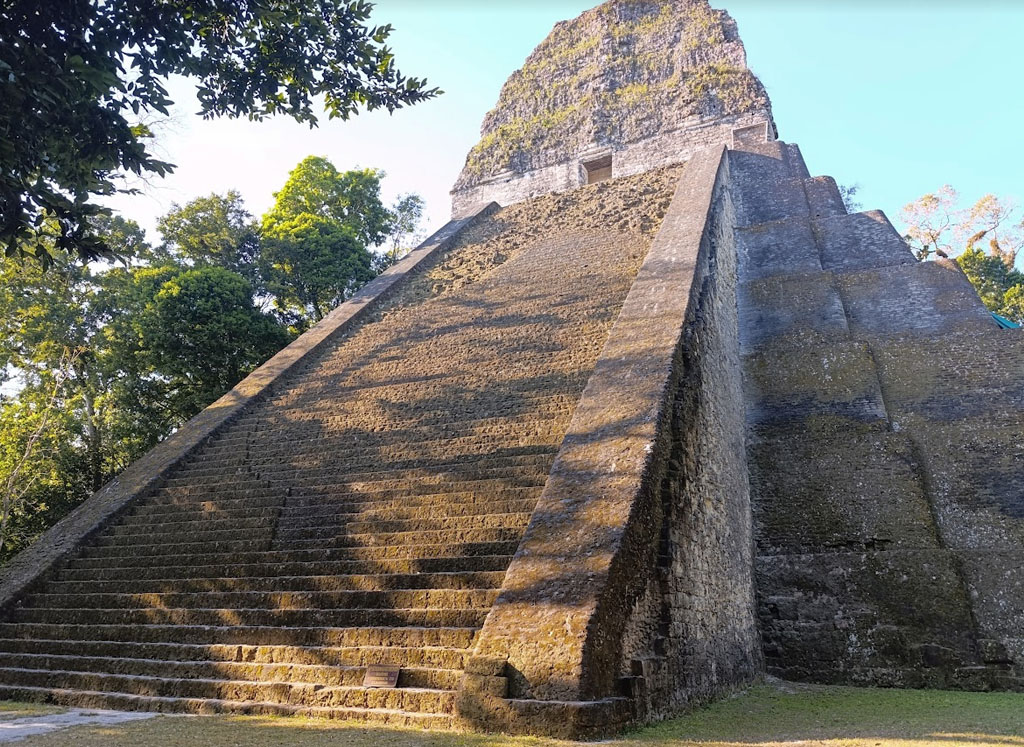
The architecture corresponds to the Petén style, typically dated to the Early and Late Classic periods (250–900 A.D.). This style features large vaulted buildings, rounded and recessed corners, and the presence of sloping stonework.
Archaeologists Sonny Moisés Ojeda González (head of the Dzibanché Kinichná Archaeological Zone) and Diana Karina Blancas Olvera (head of the Kohunlich zone) served as co-directors of the site’s initial prospection. They identified a specific “nuclear area” within the larger hectare count, consisting of five major buildings. These structures range in height from 11 to 14 meters and measure between 16 and 40 meters in length, arranged in a “C” shape plaza formation.
Murals and Human Remains
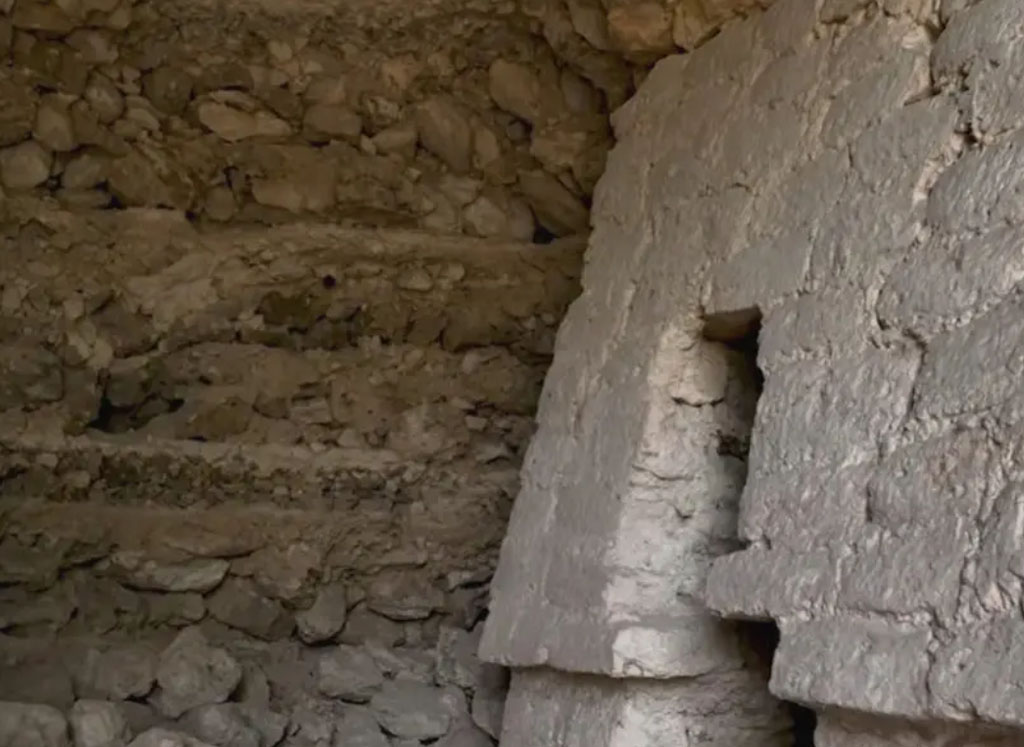
While the site requires more exploration, researchers have already documented significant features in specific structures. In a building cataloged as No. 53035, located in the northeast section of the property, archaeologists discovered painted stucco reliefs.
Unlike the narrative murals found at sites like Bonampak, the painting at El Jefeciño is described as “decorative and not narrative.” The visible pigments include white, orange, and red stripes. Adjacent to these mural fragments, researchers also identified fragments of a human skeleton, which they theorize may be part of a funerary context or burial.
Ojeda González explained that within this section of the site, the team identified three distinct construction stages through surface observation. The first and deepest layer (approximately eight meters down) features the classic Petén apron molding. The second layer corresponds to the mural painting remains, while the third layer is mostly collapsed. Based on the size of the buildings, the specialists infer that the structures likely contain between four and five total construction phases.
Conservation Status and Methodology
In a crucial clarification for the archaeological community, the INAH specialists emphasized that the work conducted so far constitutes registration and prospection, not a salvage excavation. No in-depth analysis or recovery of the materials (including the mural and bones) has been conducted. The evidence is currently designated to remain in situ (in its original place) to preserve the context until a formal excavation project is approved.
Future Research
The site’s discovery was facilitated by the Proyecto de Salvamento Arqueológico Tren Maya (Maya Train Archaeological Salvage Project), coordinated by archaeologist Manuel Pérez Rivas, specifically along front 1 of Section 7.
Looking ahead, the INAH team plans to request a mapping project utilizing LiDAR (Light Detection and Ranging) technology. This laser-based remote sensing method has become indispensable in the dense jungles of Quintana Roo, as it allows archaeologists to define the settlement pattern and confirm the full extent of the structures without physical excavation.
Secretary of Culture Claudia Curiel de Icaza stated that the registration of El Jefeciño, “Working with INAH strengthens the protection of archaeological heritage and expands knowledge about the Maya presence in southern Quintana Roo,” while also recognizing the role of local communities in safeguarding the historical memory.