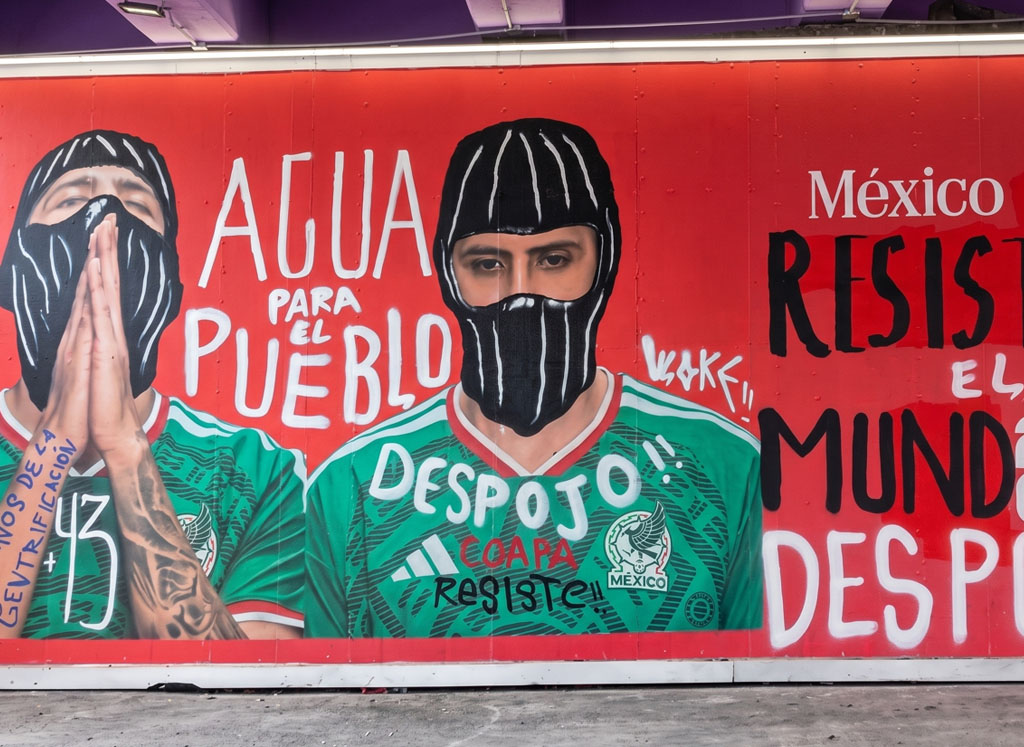
For a nation about to become the first to host three World Cups, the expected excitement is notably muted. The 2026 tournament, co-hosted with the United States and Canada, has triggered protests and disappointment over three main issues: the misallocation of resources that ignores urgent local needs, the prohibitive cost of tickets that locks out average fans, and a pervasive sense of national snub as Mexico is given a diminished role despite having hosted the tournament alone twice before.
The strongest opposition to the World Cup in Mexico comes from those who see vital public funds diverted to a sporting event while basic crises remain unaddressed. The three host cities have made costly investments. Renovations at Mexico City’s Estadio Banorte have cost an estimated 150 to 180 million dollars, funded by sponsorship deals and public money. In Monterrey, activists have criticized the rushed construction of expensive tourist-focused projects like new monorail lines, which they say bypass environmental assessments. Meanwhile, overall federal infrastructure investment outside of the state oil company PEMEX fell by 33.5% in early 2025 compared to the previous year, from 147.6 billion to 101.8 billion pesos, raising concerns about the country’s ability to handle the event.
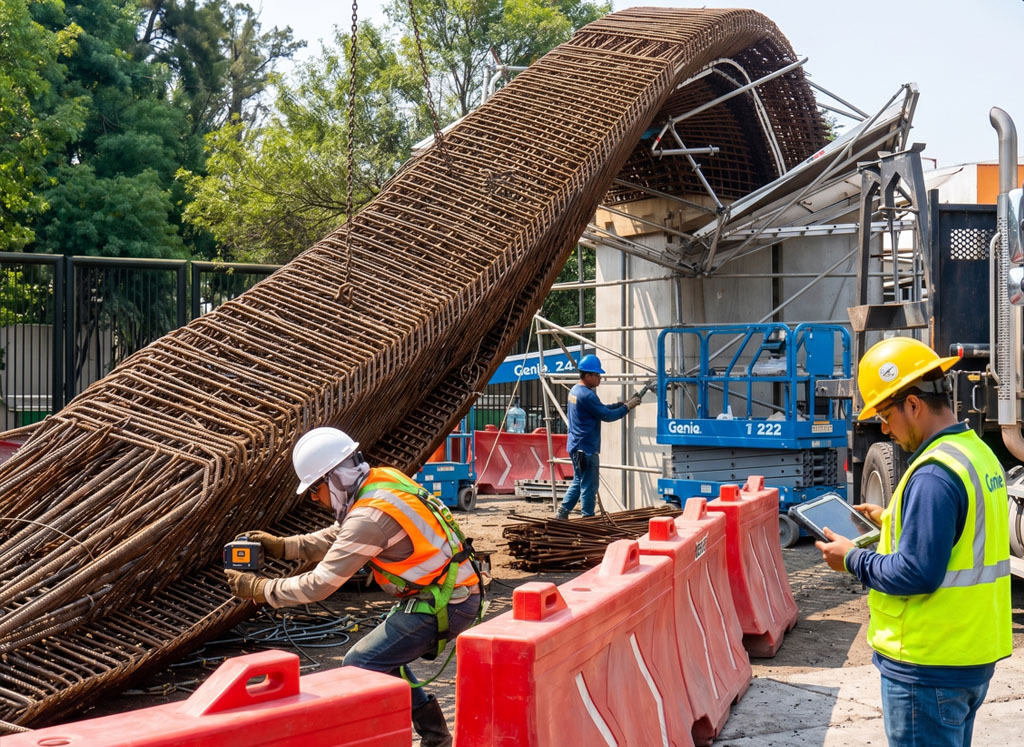
The starkest contrast is visible around the Banorte Stadium in the Santa Ursula Coapa neighborhood. While authorities build luxury boxes and cycle paths, residents receive water from local wells only two to three times a week. The government grants the stadium 450,000 cubic meters of water per year, enough to supply the entire neighborhood for a month. This perceived priority has fueled a “World Cup of Dispossession” protest movement, with activists blocking major highways to denounce the lack of housing, water, transport, and electricity. One banner read, “Global event, local eviction,” capturing the fear that World Cup development accelerates gentrification and displacement. A protester summarized the sentiment: “We want decent transport. We want water. We want electricity. We want to be able to get home.”
For many Mexicans, attending a World Cup match on home soil has become financially impossible. Tickets for the opening match in Mexico City ranged from 3,000 to 10,000 dollars, an exorbitant sum in a nation where the average monthly income is around 1,000 dollars. Data indicates that watching Mexico play is the most expensive fan experience in the entire tournament, with an average cost of 5,189 dollars per match. Fans who fondly remember attending the 1970 and 1986 World Cups can no longer afford to go. One retired fan lamented, “For Mexico’s economic reality, the only people who have the most means will be able to get in. It doesn’t feel the same. This World Cup basically belongs to the United States.” This sentiment ties directly to the issue of perceived snub: the tournament feels like an event happening in Mexico, not one that belongs to Mexico.
Perhaps the most bitter aspect is the sense that Mexico is being treated as a secondary partner. The numbers are clear: the United States will host 78 of the 104 matches across 11 cities, while Mexico will host only 13 across three cities: Mexico City, Guadalajara, and Monterrey. This would feel like a demotion for any nation, but for one that has successfully hosted the tournament alone twice, it is especially pointed.
Mexican journalists and fans have also expressed anger over the quality of matches allocated to the country. Prominent ESPN critic José Ramón Fernández called the schedule “not attractive at all,” arguing that the tournament is not really “ours.” Monterrey was assigned group-stage matches, including Japan versus Tunisia and South Africa versus South Korea. Fernández said these matches are “ridiculous compared with the stadium and infrastructure they have.” Fans on social media have protested that there are no big matches and the lineup is full of mediocre games.
Mexico’s 2026 World Cup experience is far from the celebrations of 1970 and 1986. The narrative has shifted from national pride to resource misallocation, economic exclusion, and a profound sense of being undervalued by larger partners. As the world prepares for kickoff, a large segment of the Mexican population will be watching from the outside, questioning whether the sacrifices made were truly worth it.