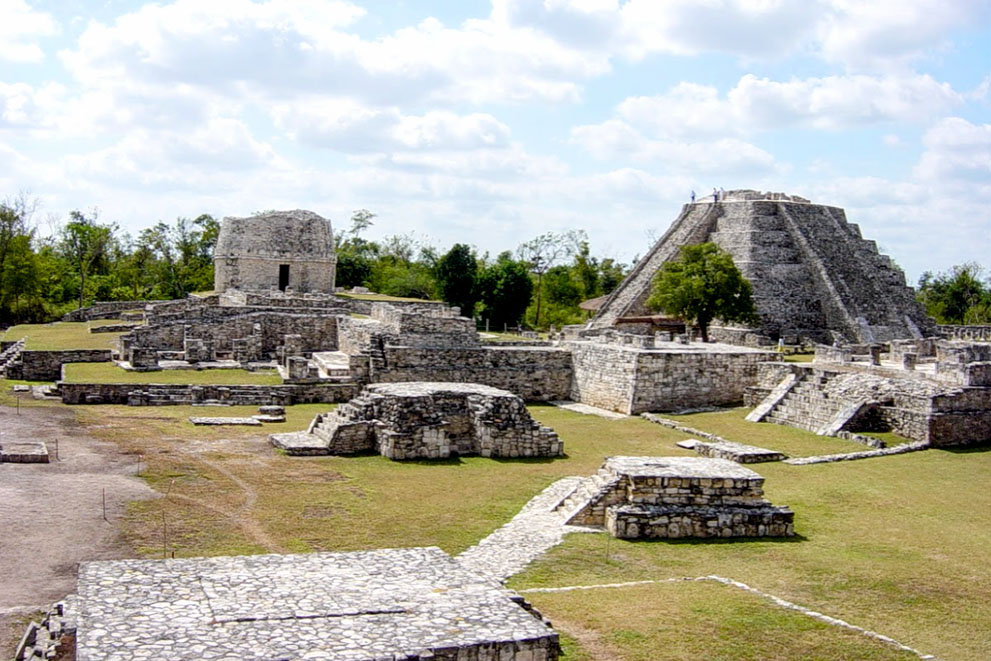
The Mayapán archaeological zone has been closed to the public for nearly six years, with no signs of a resolution between the community of Telchaquillo and the National Institute of Anthropology and History (INAH).
According to local authorities in Telchaquillo, although INAH has new directors at the national and local levels, officials have not reached out or provided any information regarding a way forward.
The community maintains total control of this pre-Prehispanic Maya city, which has been closed almost entirely since the 2020 pandemic. At the heart of the conflict is a fight over ownership and stewardship of the archaeological zone.
Simply put, the Telchaquillo ejido is demanding control over the archaeological zone of Mayapán; however, Mexico’s constitution does not permit this, as all archaeological zones are under federal control and may be administered only by INAH.
According to a communications advisor for the community, INAH stated a few months ago on the radio that the institute was seeking dialogue with the community to resolve the problem. However, when residents learned of this statement, they immediately denied the notion that there was no ongoing communication or dialogue.
“The community of Telchaquillo remains open to talks to reach an agreement on the co-administration of the archaeological zone, which is a non-negotiable demand,” the communications advisor reported. “Dialog must follow proper procedures, in writing and formally.”
While indigenous communities should benefit from tourism, the idea of handing over archaeological zones like Mayapán to ejidos is untenable because they lack the expertise and legal framework to maintain the site.
In Mexico, the difference between archaeological sites and archaeological zones is that the latter are designated as national parks and fall entirely under federal jurisdiction. Some archaeological sites and communities, like Yaxuna, have a tacit deal that allows locals to work at the site, give tours, and charge admission, with the understanding that the monuments themselves are entirely under the control of INAH.
“We do not want a repeat of what Diego Prieto (Hernández, former director general of INAH) did, which was everything verbal and private. We see that Diego Prieto continues to manage INAH from his new position because he was in Chichén Itzá and Mérida mediating conflicts with communities, but he persists with his strategy of private meetings and nothing in writing,” said a spokesperson and legal counsel for the community of Telchaquillo
Corruption allegations within Techaquillo’s own government have also come up on more than one occasion, which is likely not making the process any smoother.
“The only ones losing out are INAH and tourism, because the community has never benefited from the archaeological site,” the ejido spokeswoman said. “The archaeological zone is well cared for. We do not know what INAH’s intention is because, in its tourism promotions, it states that Mayapán is open. Many people come to the community and find it closed. We explain that there is an ownership dispute with INAH, and they have to leave.”
“INAH deceives tourists because it publishes that the archaeological zone is open. Agencies include Mayapán in their tour packages, but when they arrive, they see it is closed,” she sai. “We believe this is a form of pressure that INAH exerts on the community to create problems with tourists. But fortunately, the residents know how to explain the problem, and the visitors understand.”