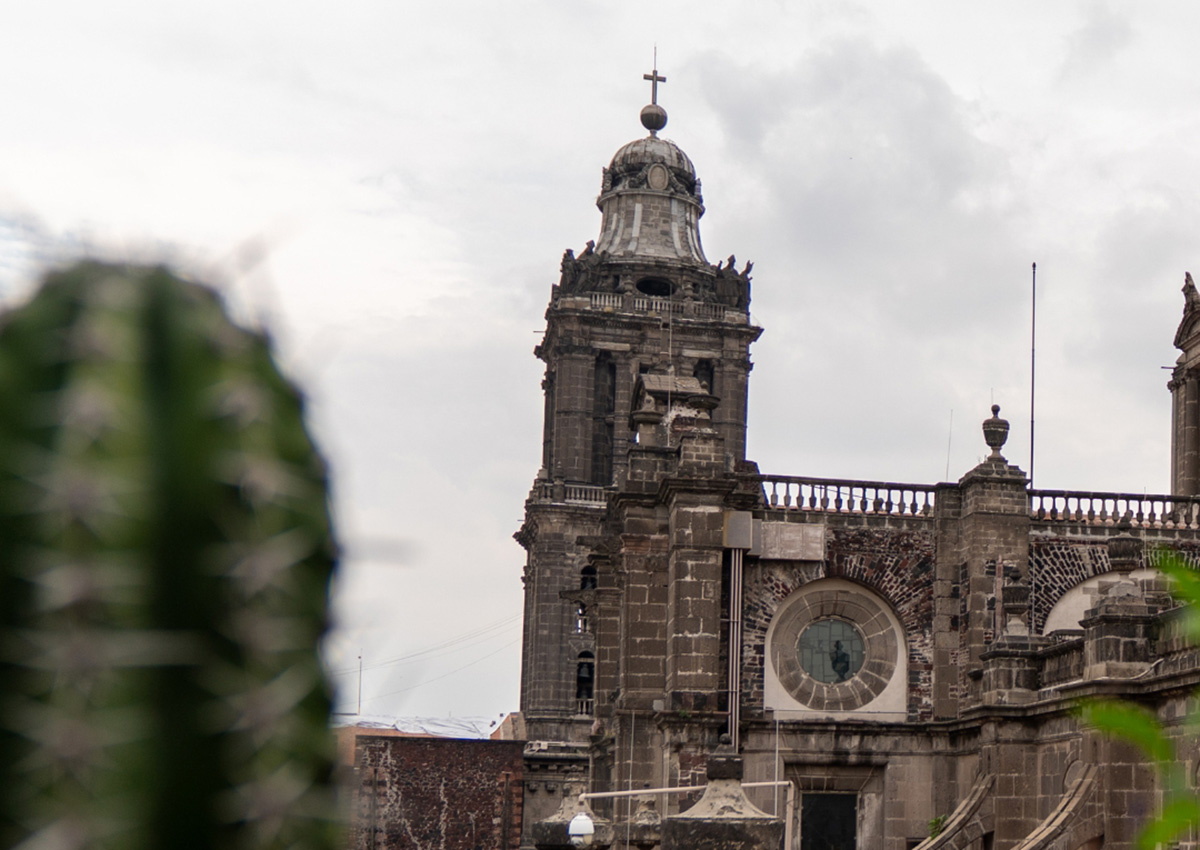
The story of a chocolate museum rising above one of the most remarkable archaeological finds in recent Mexican history is worth telling in full.
Choco-Story Zócalo, the Museo del Cacao y Chocolate, sits at República de Guatemala 24 in Mexico City’s Centro Histórico, a few steps from the Zócalo. A 17th-century colonial house, a discreet five-story contemporary addition, and underneath it all, more than 650 human skulls from the height of the Aztec empire.
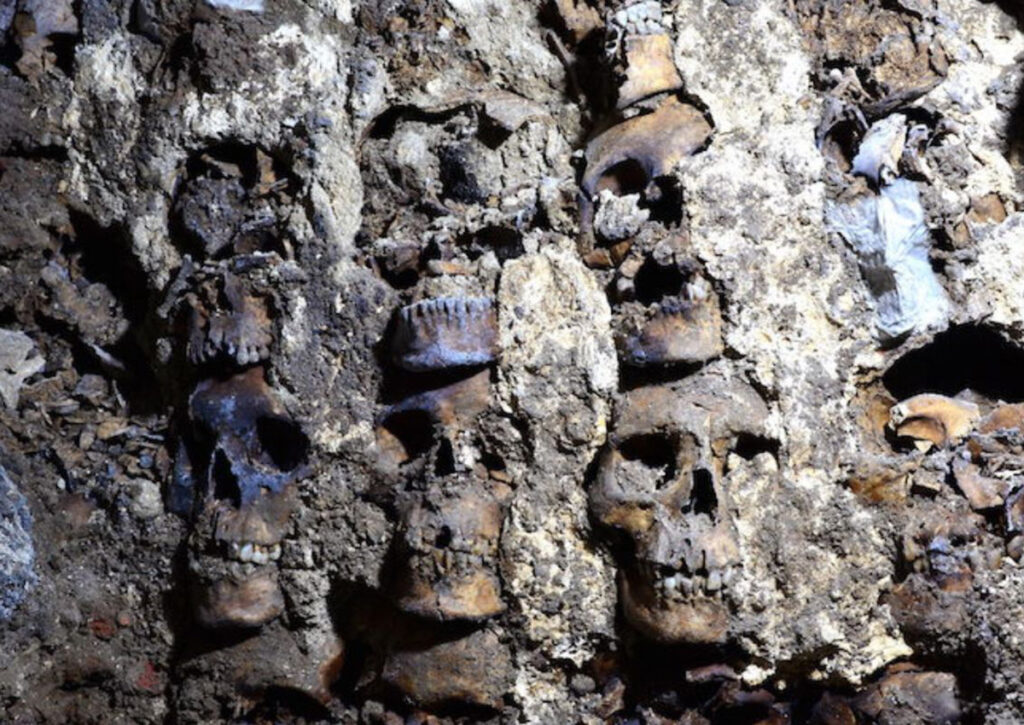
The skulls are part of the Huey Tzompantli — the great skull rack of Tenochtitlan, where the Mexica displayed the remains of people believed to have been sacrificed during the reigns of rulers Itzcóatl, Ahuízotl, and Moctezuma Ilhuicamina in the 15th century. Workers discovered a section of it during construction. The Mexican government has described it as one of the most important archaeological discoveries in the country’s history. Visitors can see it through a window near the ticket booth.
An 11-Year Project Below the Surface
The architect behind the renovation is Javier Sánchez, whose Mexico City firm JSa had already worked steps away on an expansion of the Centro Cultural de España — a project that turned up the ruins of a Prehispanic school for nobility. When the chocolate museum commission came in 2013 from Agustín Otegui, whose family owns the building, JSa already suspected what might be underground. The building’s tilt confirmed it. Many structures in the Centro Histórico sink gradually as the old lake bed beneath them compresses; the angle of this one suggested something solid below was holding it up.
That something turned out to be the skull rack. What followed, according to Aisha Ballesteros — the JSa partner who led the museum’s design — was 11 years of excavating and stabilizing the Huey Tzompantli underground while simultaneously working on the building above. The team first stabilized the colonial house, which Ballesteros described as like sliding footings under the legs of a wobbly table. Then they drove 30-meter piles into the ground to create a solid foundation for the new five-story addition built behind the colonial structure.
3 Histories in a Single Building
The contemporary addition is clad in local travertine — a sandy-colored stone chosen to echo the volcanic tezontle that defines much of the Centro Histórico’s architecture. The two structures were deliberately kept separate, never touching. The gap between them serves a dual purpose: it lets visitors see the historic colonial walls in full, and it satisfies seismic requirements in a city built on unstable lake sediment.
The contrast is intentional. Where the old building leans, the new one stands plumb, and the angles play against each other throughout the complex. “It becomes a game between old and new, oblique and straight,” said Ballesteros.
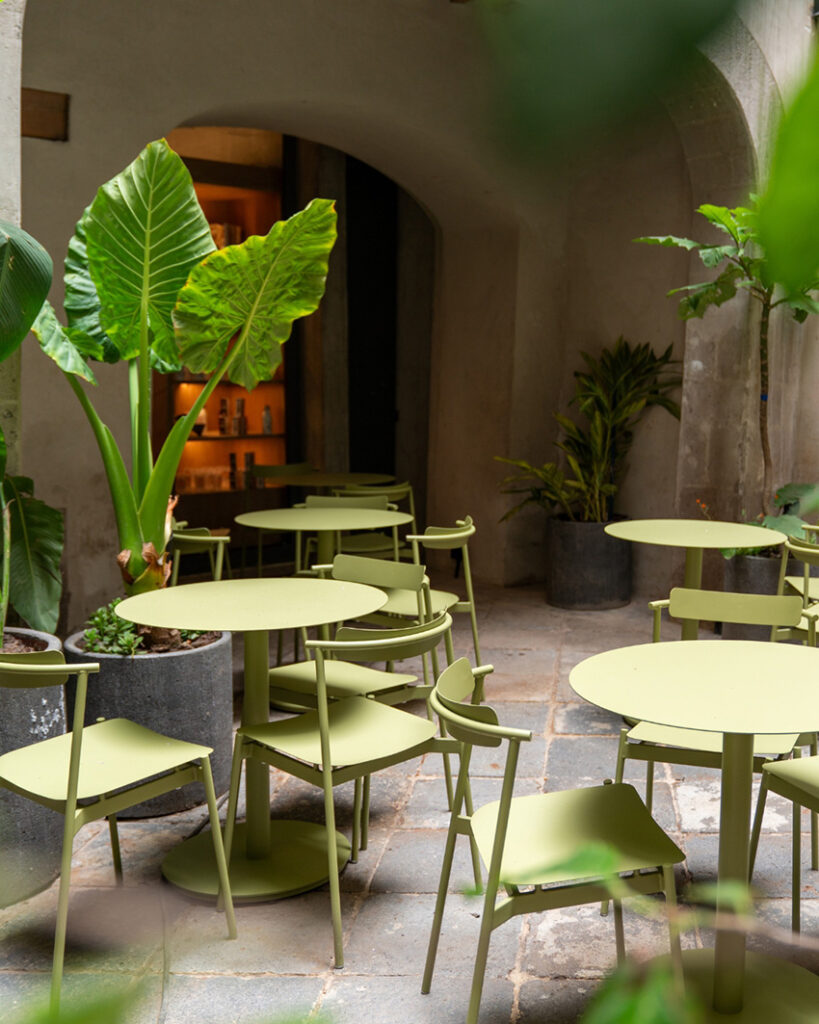
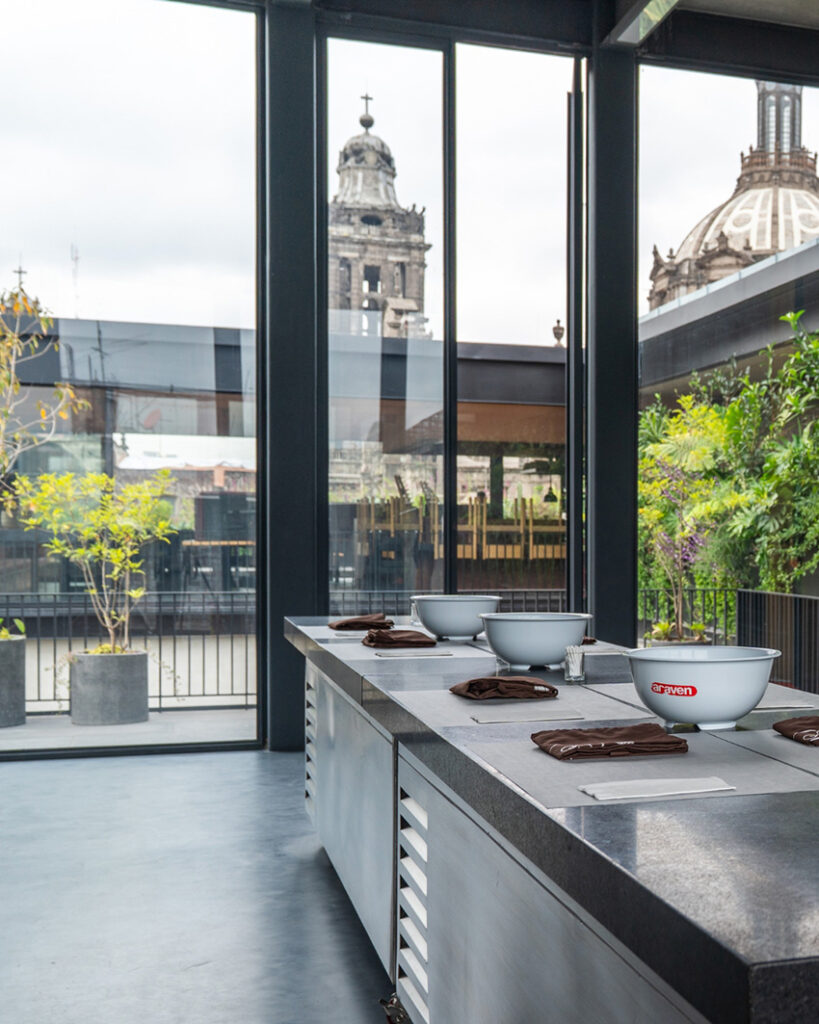
Between the two buildings, an open courtyard lit by hand-hammered copper lamps leads to shaded seating. A cacaotería — a chocolate and coffee shop — anchors the ground floor. On the rooftop, JSa designed a new restaurant called Charco, with views of the Palacio Nacional, the Templo Mayor, the Metropolitan Cathedral, and the Torre Latinoamericana.
For Otegui, the project’s meaning runs deeper than architecture or tourism. “Cacao offers a connection between past and present,” he said, describing the bean — sacred to the Maya and the Mexica, and now an everyday pleasure worldwide — as a thread that still runs through Mexican life.
Cacao’s Peninsula Roots
For readers in the Yucatán Peninsula, the story behind this museum is familiar territory. The Maya cultivated cacao for centuries, used it ceremonially, and traded the beans as currency long before Spanish contact. The Choco-Story network already operates in Uxmal, Valladolid, and Playa del Carmen — three Peninsula locations where that history is close at hand. Yucatán Magazine has covered the Peninsula’s deep cacao heritage in detail.
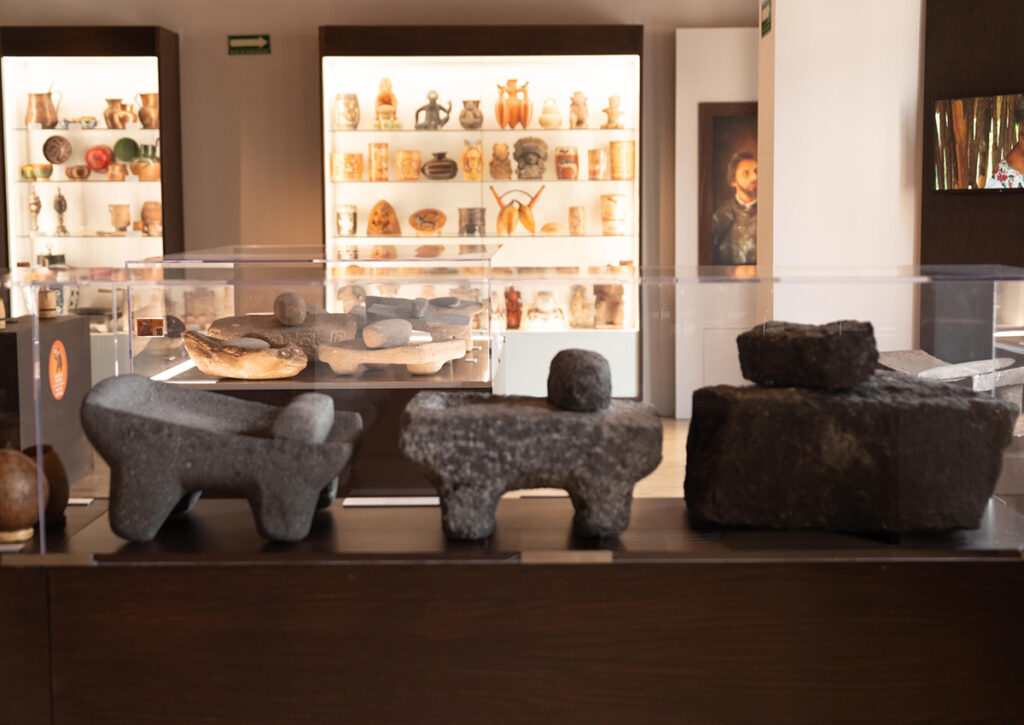
The museum’s exhibitions begin on the second floor and trace the bean from its Mayan and Mexica origins through the Spanish conquest and on to the global chocolate industry today. Audio guides are included in admission and are available in English, French, Portuguese, and German. A 60-minute chocolate workshop, where visitors make and decorate their own bars under the guidance of professional chocolatiers, is also available.
At a Glance
- Address: República de Guatemala 24, Centro Histórico, Mexico City
- Hours: Daily 10 a.m. to 6 p.m. (last entry 5 p.m.)
- General admission: MX$300 (about US$15)
- CDMX/Estado de México residents with ID: MX$250 (about US$12)
- Students, teachers, seniors, people with disabilities: MX$200 (about US$10)
- Children ages 6–12: MX$150 (about US$7.50)
- Chocolate workshop (60 min., includes admission): MX$800 (about US$40)
- Nearest metro: Zócalo–Tenochtitlan (Line 2)
- Tickets: choco-story-zocalo.mx