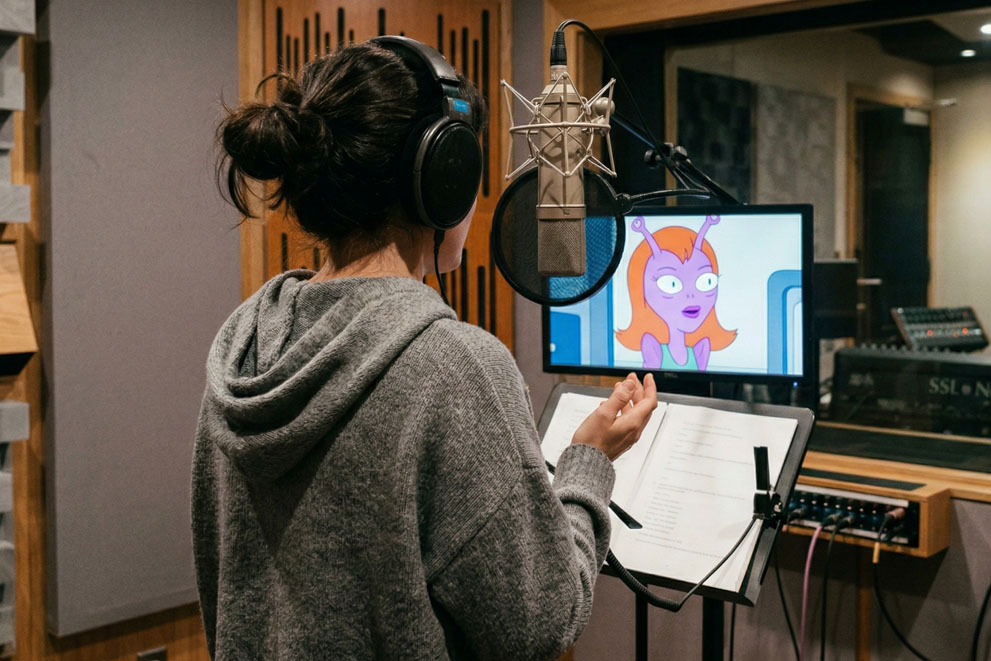
Mexico’s Congress has approved a new law that bans the use of artificial intelligence for voice dubbing in foreign films and for creating AI-generated characters in animated movies and shorts. The measure makes Mexico one of the first countries in the world to put such a clear legal limit on AI in the voice acting industry.
The rule is part of a broader update to Mexico’s Federal Film and Audiovisual Law, which replaces a 1992 measure. The Mexican Congress approved Article 29 of the new law, which states that dubbing for foreign movies into Spanish or any indigenous language must be done by real people – actors, interpreters, or performers. AI is now completely excluded from this work.
The law also protects voice actors against voice cloning or any unauthorized use of their voices without their clear permission and fair payment. It recognizes the human voice as a unique and unrepeatable artistic tool that cannot be replaced by artificial intelligence.
“This is a real victory for voice actors, the public, and not just Mexico, but consumers of Spanish-language media everywhere,” said Mario Catañeda, who over the decades has voiced famous Hollywood actors like Bruce Willis and anime characters like Goku of Dragon Ball.
President Claudia Sheinbaum announced the initiative during a morning press conference in February, saying that Mexico has some of the best dubbing actors in the world and that they deserve protection. The push for the law came from voice actors themselves, who had grown worried about companies using AI to copy their voices without consent.
One case that drew attention involved Amazon Prime Video, which used AI for dubbing some of its productions. The move was met with strong criticism from both audiences and actors. That backlash helped push lawmakers to act.
The new law does more than just ban AI dubbing. It also changes the Federal Labor Law and the Federal Copyright Law to give voice actors more rights over how their voices are used. The National Institute of Copyright, known as INDAUTOR, will be responsible for resolving disputes when voices are used without permission. Companies that break the law can face fines ranging from 1,000 to 5,000 times Mexico’s daily minimum wage, and repeat violators can be fined double that amount.
The law also requires companies to be transparent in their contracts. They cannot include hidden clauses that give them the right to use an actor’s voice to train AI systems.
Mexico’s dubbing industry is the largest in Latin America, with most work centered in Mexico City. For decades, Mexican voice actors have dubbed foreign films and TV shows for audiences across the Spanish-speaking world. The new law aims to protect those jobs from being replaced by machines.
The rule applies to all foreign movies shown in Mexico, as well as any animated films or shorts made in the country. Streaming platforms like Netflix, Amazon, and Disney+ must also follow the law if they want to distribute content in the Mexican market.
Some film companies have expressed concerns that AI could make dubbing faster and cheaper. But the Mexican government has said that saving money is not more important than protecting people’s jobs and the country’s cultural heritage.
The law is part of a larger effort by the Sheinbaum administration to update Mexico’s film industry. The new law also guarantees that Mexican films receive at least 10 percent of theater screen time, requires theaters to show those films for at least 14 days instead of seven, and ensures they are shown at reasonable hours rather than early-morning “ghost hours”.
The government has also created new financial incentives for film production, with public support of up to 40 million pesos available for certain projects.
Voice actors in Mexico have celebrated the new law. As one industry representative put it, AI voices may be cheaper, but they cannot match the emotion and feeling that real human actors bring to a performance.
Other countries are now watching to see how Mexico’s law works in practice. For now, audiences in Mexico can be sure that the voices they hear in their favorite dubbed movies and cartoons are real, not machine-generated.