
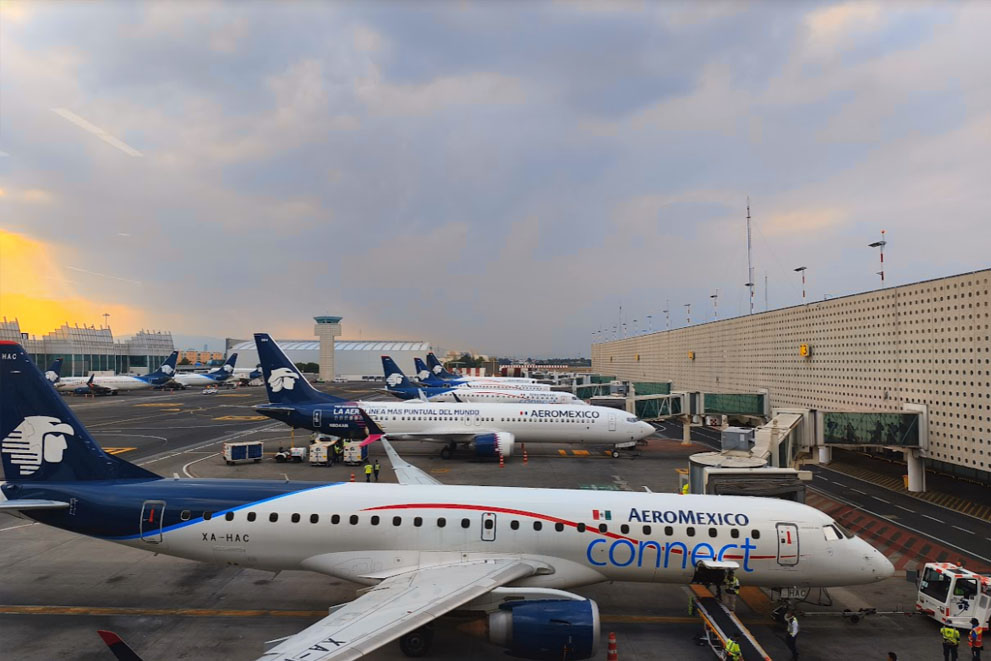
Mexico City International Airport (AICM) quietly pulled the lever on a significant price hike. As of April 1, 2026, the Airport Use Fee (TUA) has increased, making plane tickets more expensive during one of the busiest travel seasons of the year and just months before the world arrives for the 2026 FIFA World Cup. The timing has sparked outrage among travelers and tourism experts, who argue that the government is raising prices at the worst possible moment.
The increase is not a flat rate but a percentage adjustment linked to the U.S. Consumer Price Index (CPI), as authorized by the Ministry of Finance and the Marina operating group. For domestic flights, the TUA rose by 2.9%, meaning Mexican travelers will now pay approximately $30.59 USD (roughly 542 pesos) per ticket to use the airport facilities. International passengers face a slightly steeper hike of 3%, raising the fee to $58.09 USD (approximately 1,030 pesos) for those leaving the country. While these figures are expressed in dollars, passengers will see the equivalent charge in pesos on their ticket receipts, with the exchange rate adjusted monthly based on Bank of Mexico figures.
How AICM Compares: Mexico’s Most Expensive Airport
The AICM’s new rates stand out significantly when compared to other major Mexican airports, raising questions about whether travelers are getting fair value for their money. According to data published for 2026, the AICM charges approximately 542 pesos for domestic TUA, while the Felipe Ángeles International Airport (AIFA)—located just outside the city—charges only 266.62 pesos for domestic flights, roughly half the price. For international travel, the disparity is even more dramatic: AICM passengers pay around 1,030 pesos, compared to just 481.51 pesos at AIFA.
Other major Mexican airports also offer more competitive rates. Cancún International Airport, a primary gateway for international tourists, charges only 351 pesos for domestic TUA and 861 pesos for international flights. Guadalajara and Monterrey, Mexico’s second and third-largest metropolitan areas, charge 655 and 697 pesos, respectively, for domestic TUA, while Los Cabos reaches 655 pesos for domestic and a steep 1,404 pesos for international—though even the latter only slightly exceeds AICM’s international rate. The AICM’s TUA can represent up to 60% of a domestic ticket’s base price, according to the airport’s own disclosure, making it a substantial burden for budget-conscious travelers.
The Government’s Defense: World Cup Improvements, Debt, and Subsidies
Authorities defend the hike as a necessary evil. According to the AICM administration, the funds are critical for ongoing integral remodeling projects ahead of the World Cup. Current projects include rehabilitating runways, overhauling restrooms, replacing baggage claim belts, and optimizing migration and customs areas. With an estimated influx of millions of soccer fans expected for the 2026 World Cup—where Mexico serves as a host nation alongside the United States and Canada—the AICM is racing to modernize its image. As of mid-February, however, the remodeling was only at 40% completion, leading to questions about why customers should pay a premium for a half-finished service.
However, national media and critics point to a less glamorous reason for the price hike: debt. A significant portion of the TUA collected at the AICM reportedly goes toward paying off the massive financial liability left by the canceled Texcoco airport project. According to the International Air Transport Association (IATA), the AICM currently directs TUA revenue to bond payments for the canceled terminal—a debt the airport will continue servicing until 2047. The situation, IATA notes, violates guidelines from the International Civil Aviation Organization (ICAO) and drains capital that could otherwise be invested directly into passenger infrastructure.
Adding to the controversy is the financial performance of the Felipe Ángeles Airport, the military-run alternative airport that has struggled to achieve profitability despite receiving significant government support. According to a review of financial statements, AIFA accumulated losses of 792 million pesos over its first four years of operation.
While the airport achieved operational breakeven in 2024 and reported profits of 492 million pesos by the end of last year, it continues to receive subsidies and transfers from federal budgets—resources used primarily to cover payroll and operating expenses. There are also voices arguing that passengers flying out of AICM are effectively subsidizing a competitor that cannot stand on its own feet, all while the government maintains artificially low TUA rates at AIFA to attract carriers and passengers away from the saturated AICM.
Critics: Timing Is a “Punch in the Gut” for Travelers
Cost aside, passengers are angry as they are now paying more for a product that is currently subpar. The airport is a maze of construction work, with reports of closed walkways and chronic congestion. The AICM served 44.5 million passengers in 2025, and that number is expected to grow as the World Cup approaches, putting additional strain on aging facilities.
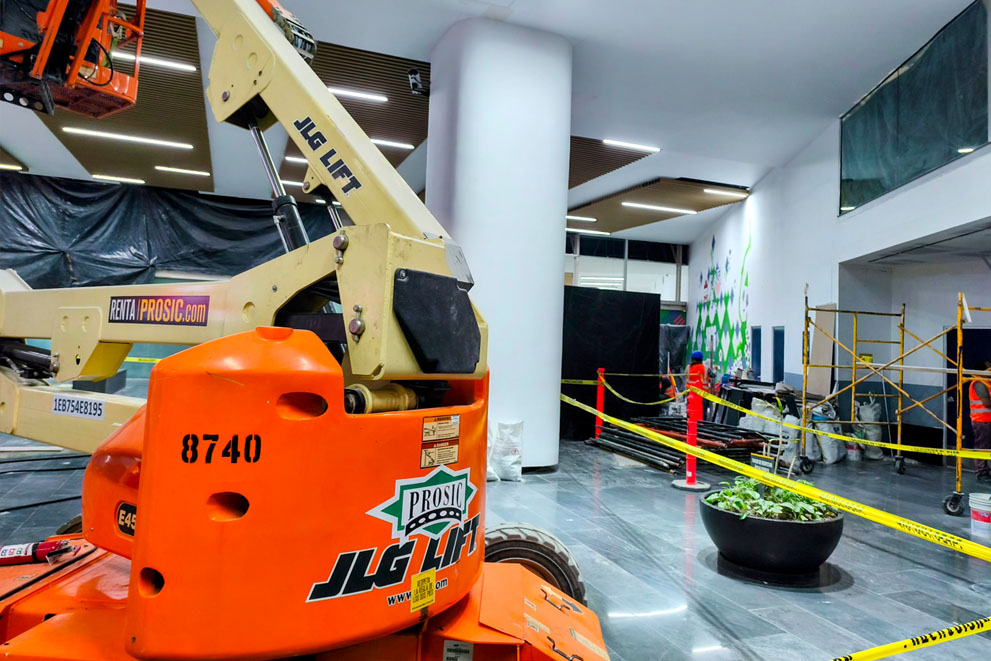
While the government sees a necessary funding mechanism, tourism industry experts see self-sabotage. Mexico is competing globally for tourists, and price sensitivity is at an all-time high due to inflation. Industry analysts argue that raising the TUA right before the World Cup is counterproductive. Mexico is already perceived as an expensive destination due to the strong peso and rising hotel rates, and adding another layer of taxes on airfare makes the country less competitive against Caribbean or Central American destinations.
The AICM’s TUA is not only high by Mexican standards but also stands up poorly against major international hubs. While direct comparisons are complicated by differing airport funding models, the fact that AIFA—just an hour away—charges half the domestic rate highlights the disparity. Industry leaders warn that passengers may simply choose to fly out of Toluca, Puebla, or even AIFA to avoid the AICM surcharge, undermining the very revenue the government is trying to collect.