
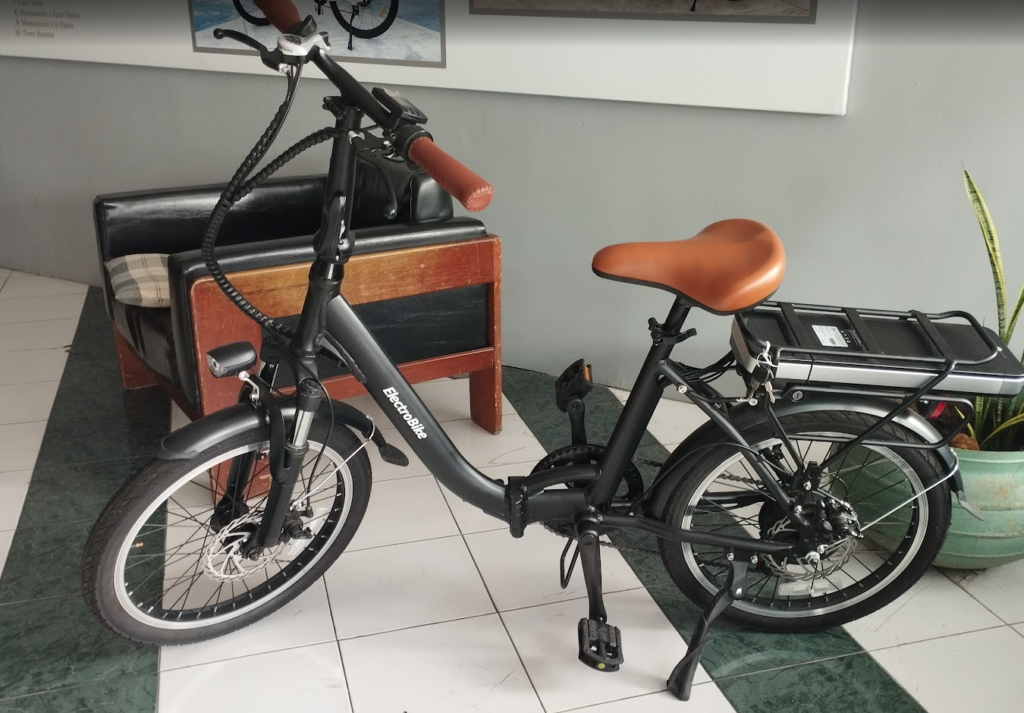
Electric bikes and scooters have become a common sight in Mexican cities. They are cheap, practical, and perfect for short trips. But for years, they operated in a legal “gray area” with few rules. That is now changing. Authorities across the country are creating new regulations to improve safety and organize urban mobility, though the approach varies significantly from one city to another.
Mexico City: Closing the Legal Loophole
For a long time, these vehicles in the capital did not need a license, plates, or insurance. However, in August 2025, the local Congress approved reforms, giving the government a 360-day deadline to change the traffic regulations. The new rules will be officially presented on Tuesday, May 20, 2026. The goal is to end the legal vacuum that has allowed many electric vehicles to circulate without clear restrictions, a situation that has persisted even months after the laws were passed, with riders still not using helmets and circulating on sidewalks.
The core of the new regulation is a formal classification system. The government has created a new category called Vehiculos Motorizados Eléwctricos Personales (VEMEPES), or Personal Electric Motorized Vehicles. This splits vehicles into two distinct types based on their technical specifications.
Type A VEMEPES include lighter e-bikes with pedal assistance, a motor under 250 watts, a maximum speed of 25 km/h, and a weight under 35 kilograms. These will be treated like regular bicycles and do not need plates. Type B covers faster and heavier vehicles, with motors between 250 watts and 1 kilowatt, that exceed 25 km/h or weigh more than 35 kilograms.
Type B VEMEPES vehicles have much stricter rules as they are now legally considered more like motorcycles. Their drivers must have a valid driver’s license, and the vehicle must display license plates and have a registration card. These faster vehicles are banned from bike lanes and sidewalks and must stay in the main vehicle lanes.
For all riders, the new regulations will mandate the use of helmets, lights, and reflective elements. It will also be illegal to carry passengers on scooters or electric bikes, to use headphones or cell phones while driving, or to ride on sidewalks. Police will also apply alcohol and drug controls to drivers of these vehicles, just as they do for car drivers.
While the laws have been passed, the final rules on how to register and obtain plates are still being prepared, with authorities currently finalizing the plate design and the registration process. The government has until August 2026 to make these adjustments, so riders have not yet faced any immediate changes. However, the rules are expected to be fully implemented after that period.
Elsewhere in Mexico
Other cities, like Guadalajara, León, and Puebla, are developing their own guidelines for e-bikes and scooters, but are not as far along as Mexico City. Cities like Mérida and Cancún currently have no specific regulations for electric scooters or bikes. For instance, Yucatán’s Ley de Tránsito y Vialidad still classifies scooters, electric bikes, and skates as “human-propulsion vehicles” in its regulations, which were last updated in May 2025.
Mexico’s Mico-mobility Revolution
The increasing use of electric bikes and scooters in Mexico is not just a trend but a significant shift in how people move through the country’s largest cities. This growth is driven by a combination of economic factors, environmental awareness, and the practical need to navigate congested urban areas. The numbers from recent market research paint a clear picture of this rapid expansion.
The overall market for micro-mobility, which includes electric kick scooters, skateboards, and bicycles, generated revenue of USD 912.1 million in 2024 and is expected to reach USD 1,725.5 million by 2030, growing at an annual rate of 11.2%.
This growth is part of a larger trend in the electric two-wheeler sector, which includes scooters and motorcycles. In 2025, this market was valued at approximately USD 689 million and is projected to nearly triple to USD 1.69 billion by 2034. Other analysts forecast it could reach USD 1.74 billion by 2033, showing strong agreement on the market’s upward trajectory.