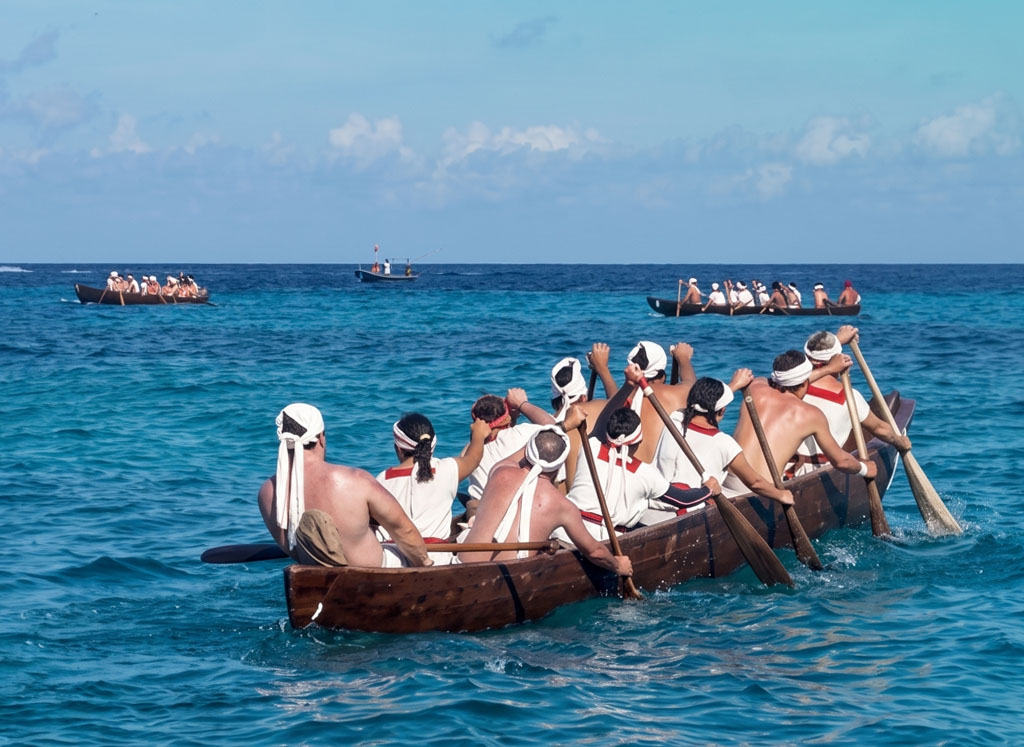
Xcaret has officially announced the suspension of its annual “Travesía Sagrada” (Sacred Journey) for 2026. The decision comes as a direct response to a recent ruling by Mexico’s Supreme Court regarding the commercial use of Maya iconography, marking a significant turning point in the debate over cultural appropriation and indigenous rights in the country.
For nearly two decades, the event—known in English as the “Gran Travesía”—has been a staple of Xcaret’s activities calendar. However, Grupo Xcaret confirmed this week that it will halt the 19th edition of the pilgrimage to prevent the company from being perceived as being in a state of “rebellion or confrontation” with federal authorities charged with protecting national heritage.
What is the “Gran Travesía”?
The Travesía Sagrada Maya is a large-scale reenactment of a pre-Hispanic maritime pilgrimage. Historically, the ancient Maya traveled from Pole (near present-day Xcaret) to the island of Cozumel to worship Ixchel, the goddess of fertility, the moon, and medicine.
According to data provided by the company, the event had seen the participation of 5,322 people over its lifespan. For the now-canceled 2026 edition, 333 participants from Playa del Carmen, Cancún, Tulum, and Cozumel had already completed their training. Notably, for the first time, the roster included more women than men, alongside a volunteer cast of 300 dancers and artists from local communities, including elders and children from Tihosuco, Chunhuhub, and Felipe Carrillo Puerto.
The Supreme Court Ruling and the Controversy
The suspension was triggered by a specific legal battle regarding who has the right to authorize the use of Maya symbols. The controversy is not new; it originated in 2022 when the National Institute of Copyright asked the company to remove Maya cultural elements from its advertising.
The conflict escalated when the Gran Consejo Maya (Great Maya Council)—an organization recognized by the Quintana Roo constitution as a representative of indigenous communities—filed a complaint. While Grupo Xcaret claimed it had a financial agreement and authorization from the Gran Consejo Maya, the Supreme Court ruled that this was insufficient.
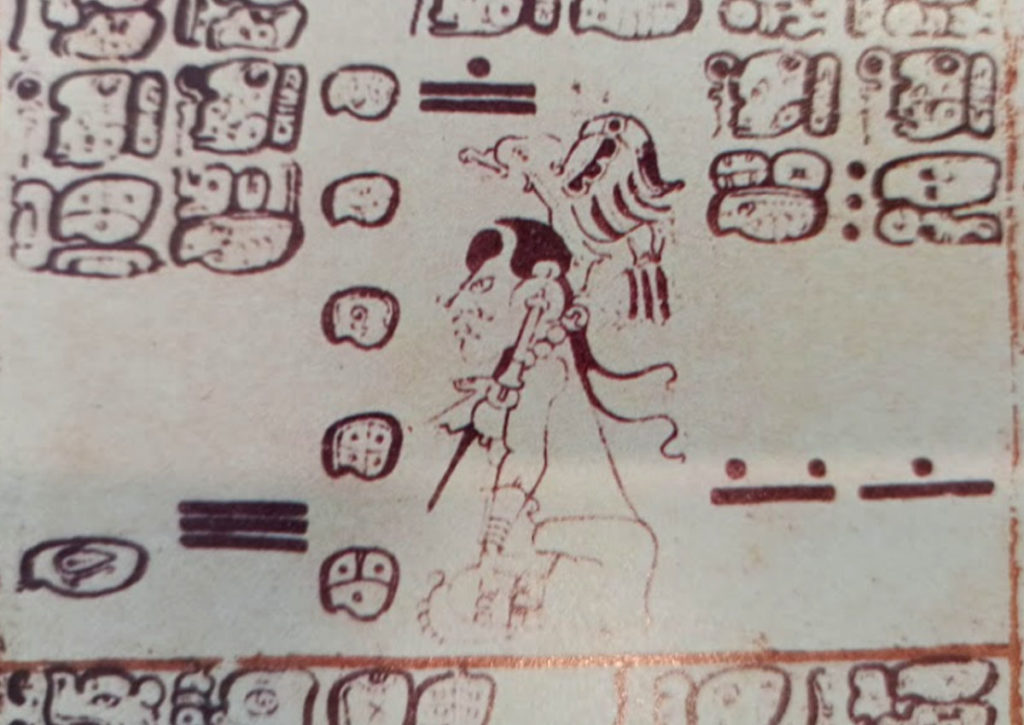
In a landmark decision, the SCJN revoked an amparo (injunction) that had previously allowed Xcaret to use these symbols. The Court argued that indigenous cultural heritage is not owned by a single organization or individual but belongs to the communities as a whole. Therefore, any use of these elements requires “free, prior, and informed consent” from the collective community, not just a single representative body.
Not an Admission Wrongdoing
In a press conference directed primarily at the paddlers affected by the cancellation, Ileana Rodríguez Cavazos, Corporate Director of Sustainability and Institutional Dialogue for Grupo Xcaret, clarified the company’s legal stance.
“We have decided to suspend the edition of the Travesía Sagrada this year,” Rodríguez stated. She emphasized that the suspension “does not imply an acknowledgment of irregularities,” but rather a strategy to avoid the company becoming a “pretext for conflicts” between the various actors involved in the representation of Maya culture.
Rodríguez explained that the recent judicial resolution does not address the core of the conflict—that matter will still have to be resolved by Indautor. However, to avoid any appearance of rebelling against the authorities, they chose to cancel the 2026 event.
“The case opens the debate about who has the legitimacy to authorize the use of symbols, practices, and narratives of the Maya culture, as well as the mechanisms of economic compensation and indigenous representation,” Rodríguez added.
As for the Travesía Sagrada, its future remains uncertain. The company has not confirmed whether the suspension is temporary or permanent, stating that its return depends entirely on the evolution of the legal framework regarding cultural heritage.