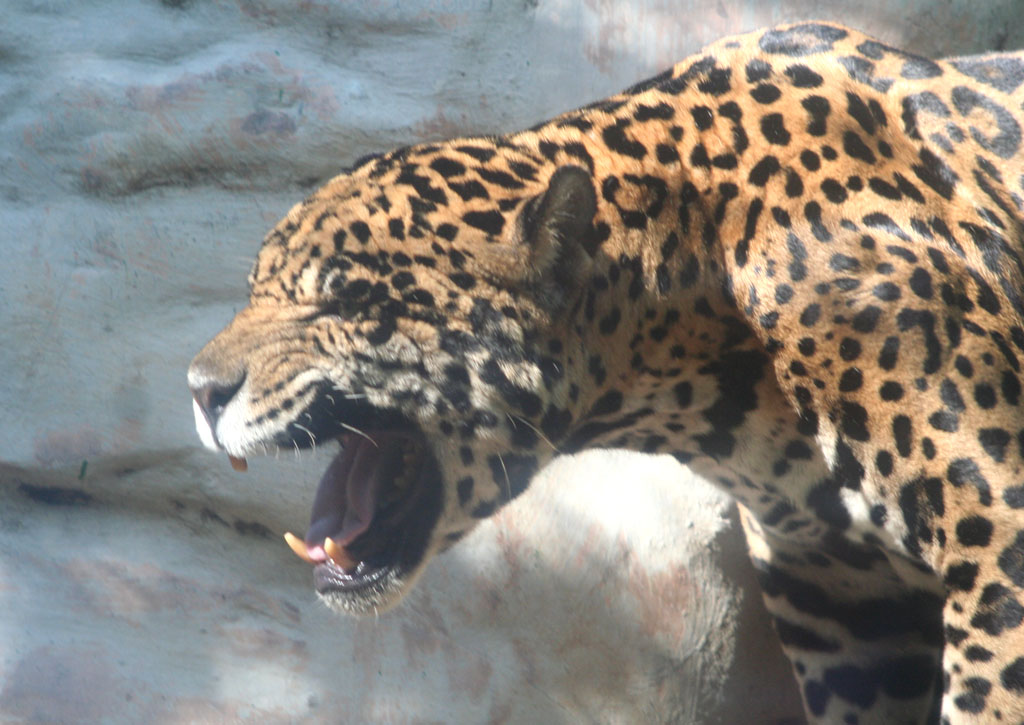
In Villahermosa, Parque-Museo La Venta functions as both a zoo and an archaeological park. The site houses several Olmec colossal heads and other artifacts from what is considered Mesoamerica’s “mother culture,” alongside living animals, including jaguars, monkeys, and crocodiles. Recent investigations by federal environmental authorities have focused on whether the park is doing enough to ensure animal welfare.
The Profepa Investigation
In response to allegations that the park is not ensuring animal well-being, the Procuraduría Federal de Protección al Ambiente (Profepa) conducted a inspection of the zoo on April 21, 2026. The inspection was carried out with state and federal authorities, including the Secretaría de Medio Ambiente y Recursos Naturales (Semarnat) and the Tabasco Secretariat of Culture.
According to the official report released that same day, federal inspectors performed a complete count of the animals. They conducted physical reviews to verify nutritional and health conditions, and they audited the enclosures and feeding areas.
Following the inspection, authorities confirmed that the park operates under current regulations, which, nevertheless, inspectors added should perhaps be reviewed, especially when it comes to larger species. Officials present included Aída Elba Castillo Santiago, Secretary of Culture in Tabasco; Salvador Heredia Domínguez, Semarnat delegate; and Mayra Villagómez, acting head of Profepa in Tabasco.
The Culture Secretary described the inspection as a productive transparency exercise, stating that the physical verification allows the government to build solid records demonstrating Tabasco’s compliance with federal environmental policy. However, the inspection did find irregularities.
The Administrative Dispute and Animal Transfers
Despite the positive findings from Profepa, allegations of negligence have not disappeared. The controversy relates to an edict declaring that the 134 animals under the Secretariat of Culture’s care were “no longer useful” to that department and should be transferred to Yumká, a larger wildlife interpretation center managed by the environmental agency Semades.
Critics, including activists, interpreted this as a plan to empty the zoo to make way for a proposed National Olmec Museum. However, state officials have denied this. In June 2025, Secretary of Environment Sheila Cadena Nieto explained that the transfer is administrative—changing which department pays for the animals’ care—not a physical relocation. “The animals will remain there; they will just now be attended to by Yumká,” Cadena Nieto said. She acknowledged that the “form of captivity” at La Venta has been criticized for years and argued the change could improve animal welfare.
The April 2026 Profepa inspection appears to have established a baseline record of the animals’ condition before this administrative transfer takes effect.
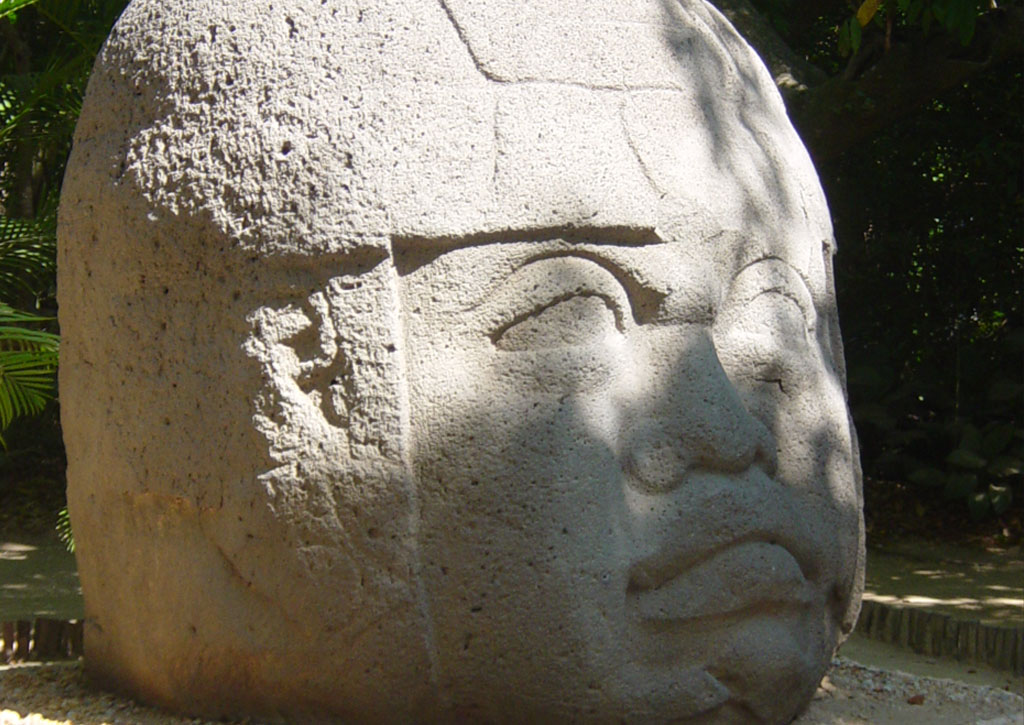
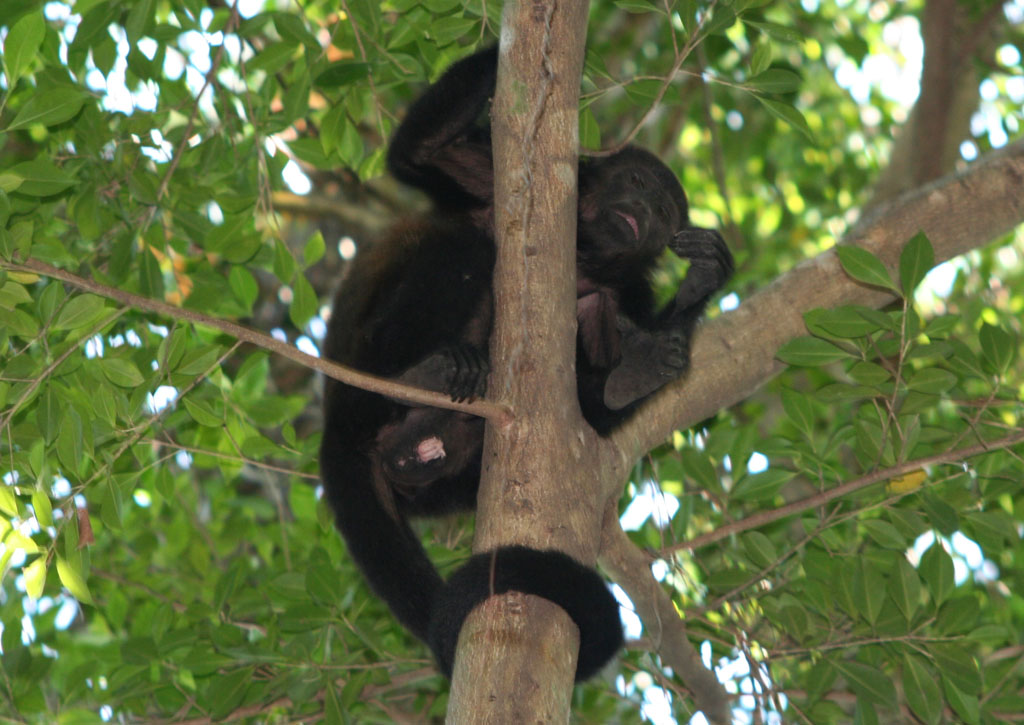
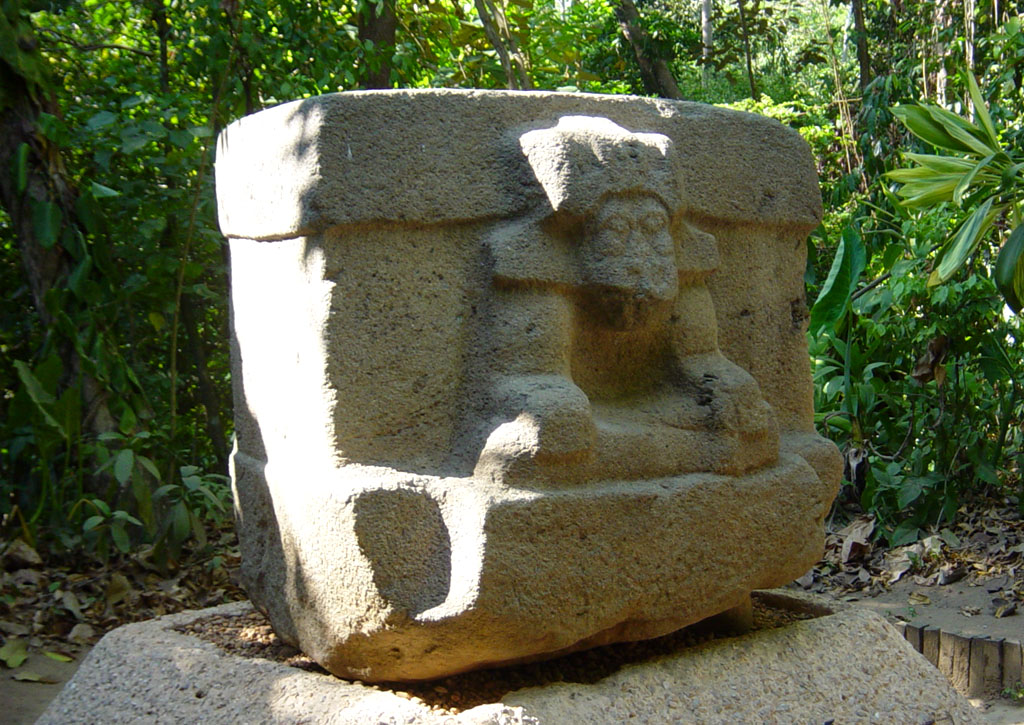
A Dual Mission: Zoo and Archaeological Park
Parque-Museo La Venta was inaugurated in 1958. The park serves two functions. First, it is an open-air museum displaying Olmec monumental art. It holds four Olmec colossal heads, basalt sculptures weighing up to 40 tons, along with altars, stelae, and mosaics. These pieces were moved from the original La Venta archaeological site, which was threatened by oil exploration.
Second, the park operates as a wildlife conservation and management institute. This legal designation allows it to keep species such as jaguars, howler monkeys, crocodiles, and various tropical birds. The combination of archaeology and live animals is intended to illustrate the connection between Olmec culture and the region’s wildlife.
Current Status
Parque-Museo La Venta remains open to the public. The recent inspection confirmed that the enclosures meet legal safety and hygiene requirements. However, the ongoing scrutiny reflects a broader debate about whether a small, urban park designed in the 1950s can provide adequate welfare for wild animals, or whether its educational and archaeological value justifies the current arrangement.
For now, authorities maintain the site is safe, and the animals are in stable condition. But as the government moves forward with plans for a National Olmec Museum, the living collection at La Venta will likely remain under close watch.