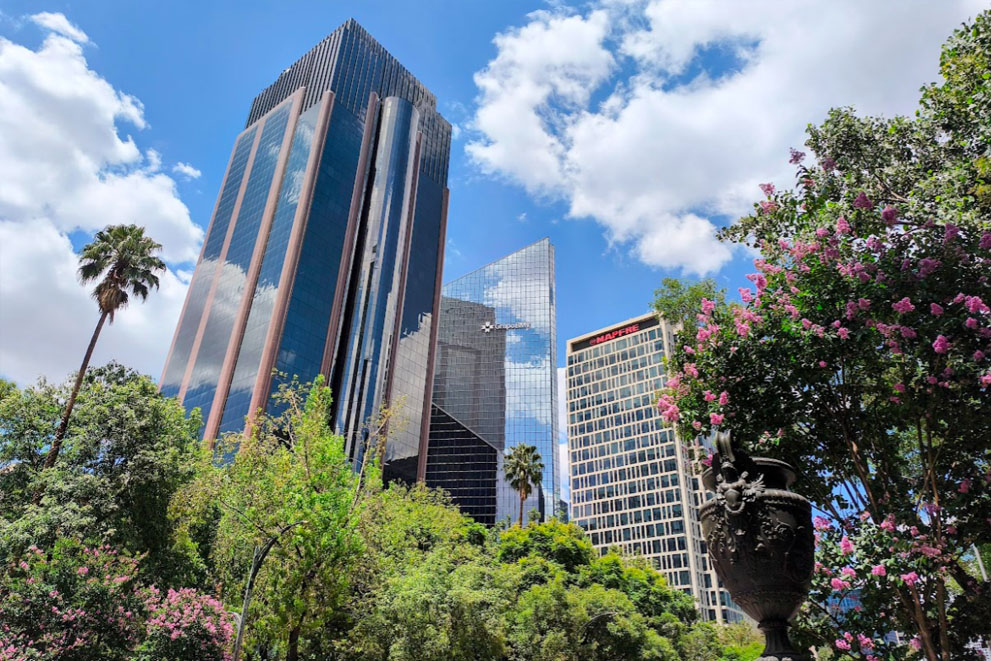
Mexico City’s Semana Santa holiday period offers a rare combination: reduced traffic congestion and a packed calendar of cultural and religious events, making it an ideal time for visitors.
While many residents leave the capital for beach destinations, the city transforms. Traffic, normally a daily challenge, eases significantly. At the same time, the city hosts major events, including one of the country’s most important religious traditions, drawing over a million attendees.
The Easing Of Traffic in Mexico City During Semana Santa
The reduction in traffic during Semana Santa is substantial. Millions of residents leave the city for destinations like Acapulco and Queretaro, emptying offices and schools. For those staying or visiting, this means shorter travel times and easier access to attractions.
However, visitors should note that vehicle restrictions remain in effect. The Hoy No Circula program operates on its normal schedule throughout Semana Santa 2026, with no announced suspensions. Drivers must check the daily restrictions, as vehicles with holograms 1 and 2 are subject to normal limitations even on holidays.
Public transportation operates on modified schedules. The Metro runs from 7:00 to 24:00 on Jueves and Viernes Santo, while Metrobus operates from 5:00 to 24:00 . The “Tu bici viaja en Metro” program allows bicycles on the system throughout the holiday, providing an alternative transportation option.
The Ley Seca (dry law) takes effect in several boroughs, including Iztapalapa, Cuajimalpa, and Magdalena Contreras from Jueves Santo through Sunday, limiting alcohol sales and consumption.
Major Events and Attractions
After 183 editions, the Iztapalapa’s Passion Play has been recognized by UNESCO as Intangible Cultural Heritage, drawing visitors from across the country. The reenactment moves through the Ocho Barrios to Cerro de la Estrella. In 2025, more than one million people attended the Viernes Santo procession.
Centro Histórico – The Visita a las Siete Casas (Visit to the Seven Churches) sends families walking between historic temples, including the Catedral Metropolitana, Templo de Santo Domingo, and Templo de San Hipólito.
Museums and Cultural Sites
Major museums remain open along Paseo de la Reforma’s museum corridor:
- Museo Nacional de Antropología
- Castillo de Chapultepec (Museo Nacional de Historia)
- Museo de Arte Moderno
- Museo Tamayo
In Coyoacán, visitors can explore the Casa Azul (Frida Kahlo Museum), Museo Anahuacalli, and colonial-era churches, including Parroquia de San Juan Bautista.
In San Ángel, the Bazar del Sábado and the Diego Rivera and Frida Kahlo studio museum offer additional cultural experiences.
Outdoor and Family Activities
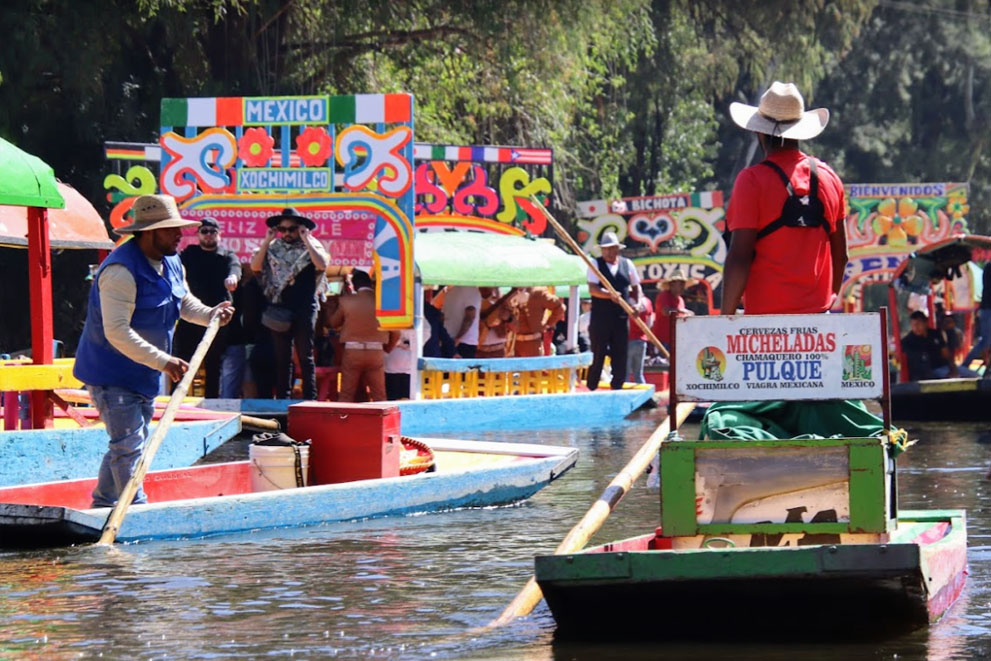
Xochimilco – Trajinera boat rides through the canals remain a signature experience. The Feria de la Nieve in Santiago Tulyehualco, a tradition spanning more than 180 years, offers local ice cream varieties.
Chapultepec – The Parque Urbano Aztlán features the Aztlán 360 panoramic wheel and mechanical rides. The Bosque de Chapultepec also hosts special events, including “Sólo la luz, Primavera,” an outdoor light art installation with 13 sculptures along Reforma from the Ángel de la Independencia to Puerta de los Leones.