
Tequila, the world-famous spirit that gives its name to the town of Tequila, Jalisco, with this name being nearly synonymous with Mexico.
The town of Tequila in Jalisco, Mexico, was once a major tourist destination. People came from all over the world to see the agave fields and learn how the famous libation is made. They would come by train on the famous Tequila Express or by busloads from nearby cities like Guadalajara.
But in recent years, the number of tourists dropped sharply. Residents say organized crime has been a problem for a long time. The criminals moved through the town openly, and the nearby mountains made it easy for them to operate.
The agave field and tequila distilleries that tourists once came to see were targeted by organized crime and abuses of power by government officials. The Jose Cuervo company, one of the largest tequila producers, filed a lawsuit over what they called extortion money dressed up as property taxes that were 20 times higher than the legal rate. They also faced a fine of more than 5 million dollars.
In early February 2026, federal authorities arrested the mayor of Tequila, Diego Rivera. They also arrested the town’s security director and the heads of public works and land registry. Officials say these leaders worked with the Jalisco New Generation Cartel to extort money from tequila and beer producers. The government says the group also stole public money.
Following the arrest, the state government quickly put plans in place to bring tourism back. Governor Pablo Lemus visited the main plaza and announced a large investment of 500 million pesos for the year 2026.
A major part of the plan is security. The governor promised that extortion in Tequila must stop. He said that 200 state police officers, along with the Mexican Army and the National Guard, will stay in the town permanently. He asked tequila companies, hotel owners, and agave farmers to invest again, promising them that their money would be safe.
The government is also spending money on buildings and roads. Plans are also underway to remodel the main streets and the historic center. Another major project is the National Tequila Museum. It had been closed because the previous mayor tried to turn it into a private residence. The state government promised to reopen it with a new exhibition before the 2026 FIFA World Cup.
The town will also get more promotion to attract visitors from Mexico and other countries. The governor said the previous administration stopped cultural events. Now, the state plans to hold concerts and activities to bring life back to the town.
The interim mayor, Lorena Marisol Rodríguez Rivera, is working with the state government. Officials held meetings with teachers, shop owners, religious leaders, and farmers to make sure the plans help everyone. The governor stated his goal clearly: to help Tequila recover its beauty and its visitors.
All About Tequila
Long before the Spanish arrived, the native peoples of Mexico, such as the Mexica, made a drink from the agave plant. They fermented the sweet sap of the agave to make a beverage called pulque. They used this drink in religious ceremonies. This practice dates back to around 1000 B.C.
Everything changed in the 1500s when Spanish conquistadors came to Mexico. They ran out of their own brandy. To make a new alcoholic drink, they used European distillation methods on the local agave plant. This was the birth of mezcal, the first distilled spirit from the Americas. The town of Tequila, located in the state of Jalisco, became a central hub for this new spirit. By the early 1600s, the Marquis of Altamira built the first large-scale distillery there. In 1758, the Cuervo family started making tequila, followed by the Sauza family in 1873.
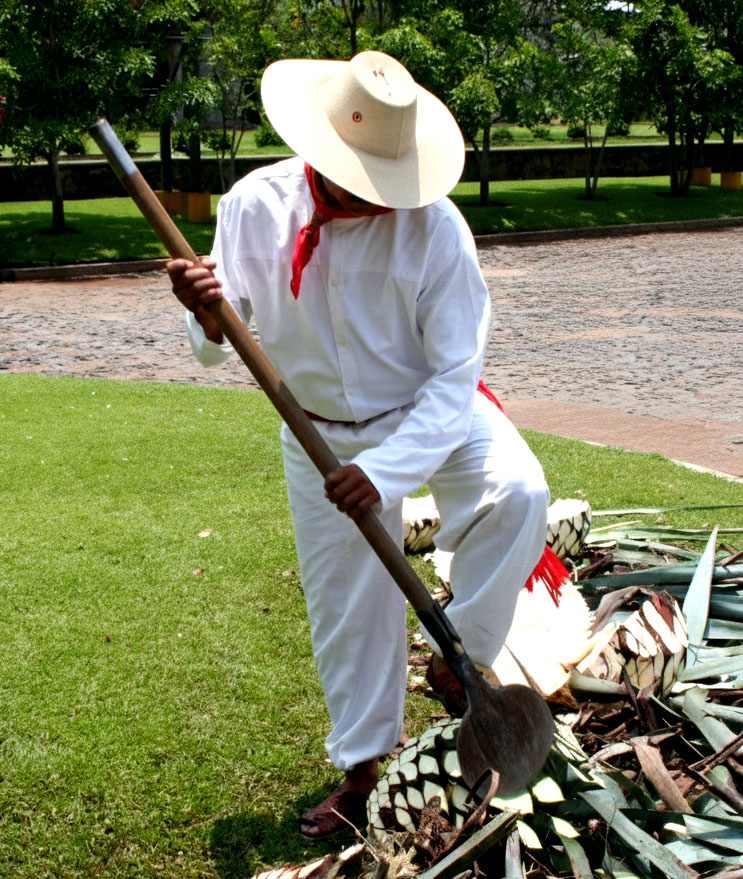
Today, the rules for tequila are very strict. It has a Denomination of Origin, just like Champagne. This means tequila can only be legally produced in five specific states of Mexico: Jalisco, Guanajuato, Michoacán, Nayarit, and Tamaulipas. The vast majority comes from Jalisco. To be called tequila, the spirit must be made from at least 51% blue Weber agave. The best tequilas are labeled “100% de agave,” meaning they use only that plant and no added sugars. If it is made from this same agave plant but outside of these five Mexican states, it cannot be called tequila. It is usually just labeled as an agave spirit or mezcal.
For tequila, the agave hearts, called piñas, are steamed or baked in large ovens above ground. For mezcal, the piñas are roasted in underground pits that are lined with hot rocks. This underground roasting gives mezcal its strong, signature smoky flavor. Tequila generally has a cleaner, earthier taste with notes of citrus and cooked agave.