
For the first time, scientists have recorded a jaguar in the state of Guanajuato, marking a significant expansion of the species’ range in central Mexico.
The National Commission of Natural Protected Areas (Conanp) confirmed that camera traps captured images of the jaguar inside the Sierra Gorda Biosphere Reserve. The reserve is in northeastern Guanajuato and spans nearly 237,000 hectares across five municipalities.
Researchers installed 75 camera traps between August 2024 and May 2025 with assistance from community monitors. The project was led by Juan Felipe Charre-Medellín and received funding from Toyota and Mexico’s science agency.
The jaguar was photographed in an area with large sections of continuous forest and low human disturbance. According to Charre-Medellín, the location lies within a corridor connecting jaguar populations in central Mexico to those in the eastern part of the country.
With this discovery, all six wild cat species found in Mexico have now been recorded in the Sierra Gorda reserve. The others are the ocelot, the tiger cat, the jaguarundi, the bobcat, and the puma.
Why This Matters
Jaguars are what scientists call an apex predator. They sit at the top of the food chain and help keep ecosystems balanced by controlling populations of deer, peccaries, and other herbivores. Without them, overgrazing can damage forests and reduce biodiversity.
The Sierra Gorda reserve is home to nearly 2,900 species of fungi, plants, and animals. Twelve of those species are classified as endangered, 39 as threatened, and 51 under special protection.
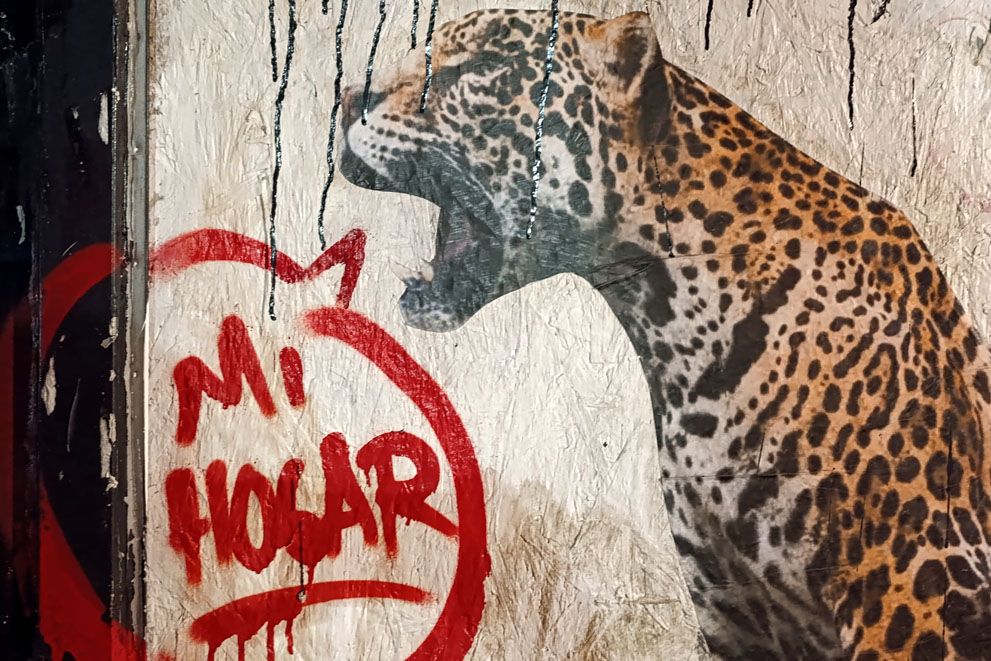
Jaguar Populations in Mexico
The jaguar’s situation in Mexico is mixed. Recent census data indicate that the population has grown significantly over the past decade; however, the species still faces serious threats.
According to the National Alliance for Jaguar Conservation (ANCJ), Mexico had an estimated 5,326 jaguars in 2024. That represents a 30 percent increase since 2010, when the government first listed the species as endangered, and an 11 percent increase since 2018.
However, experts warn that the population remains vulnerable. The ANCJ estimates it will take 15 to 30 years of steady growth for the species to be considered no longer in danger. Reaching a stable population of 8,000 jaguars could take more than three decades.
At the same time, the species has lost more than half of its historical range in Mexico due to human development, deforestation, and habitat fragmentation. A book published in February 2026 by the Universidad Intercultural del Estado de México describes the jaguar’s situation as “critical,” with some of the lowest genetic diversity found across the species’ entire range from the southwestern United States to Argentina.
The largest jaguar populations in Mexico are in the Yucatán Peninsula, where an estimated 1,699 individuals live, followed by the South Pacific region with 1,541 individuals.
Ongoing Threats for Jaguars
Habitat destruction remains the biggest threat to jaguars in Mexico. Agricultural expansion, cattle ranching, and urban growth continue to reduce the areas where jaguars can live.
Conflict with ranchers is another major problem. When jaguars lose their natural prey, they sometimes attack cattle. Ranchers may kill jaguars in retaliation. Illegal trafficking of jaguar skins, skulls, claws, and teeth also continues.
Conservation groups have called for stronger protections, including incentives to preserve wildlife corridors that allow jaguars to move between habitats, and stricter enforcement against the sale of jaguar parts on social media platforms.
Community Role in Conservation
In the Selva Lacandona region of Chiapas, community-based conservation projects have helped reduce conflict between ranchers and jaguars. A program called Jaguardianes has trained residents to monitor jaguars with camera traps. Some former hunters now help document jaguar activity and assist ranchers in filing livestock insurance claims when jaguars attack cattle.
Similar community monitoring efforts in Guanajuato helped confirm the jaguar’s presence in the Sierra Gorda reserve. Conanp said the discovery reflects the work of landowners, academics, civil organizations, and government agencies working together.
Conanp stated that the first recorded jaguar in Guanajuato confirms the Sierra Gorda reserve’s status as the state’s most biodiverse and best-preserved natural area.