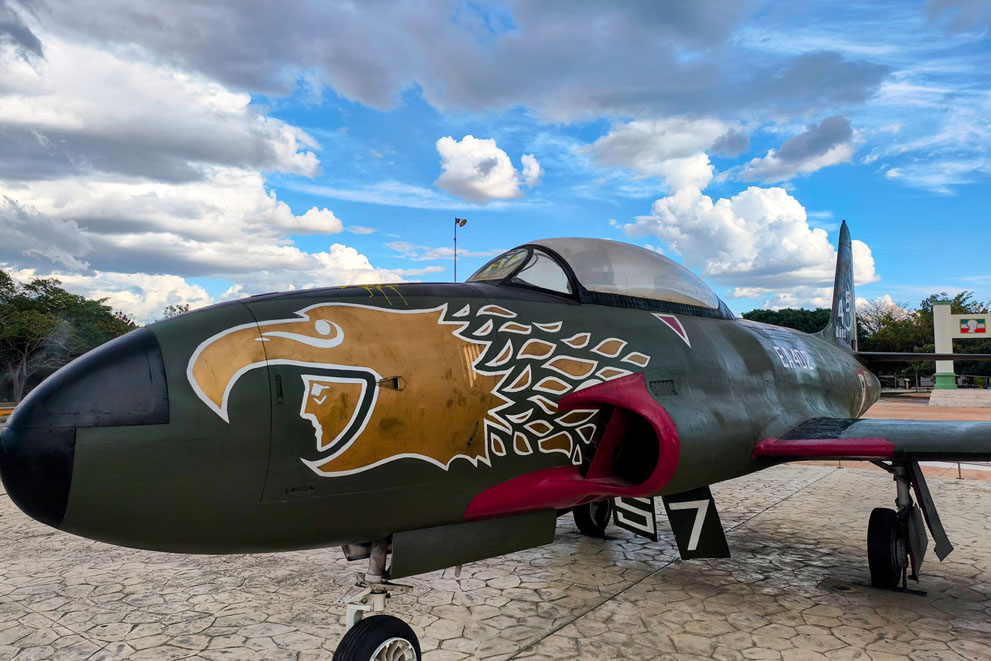
The Mexican Navy has announced plans to integrate 36 new aircraft into its fleet as part of a broader strategy to bolster national security capabilities. The announcement came during the centennial celebration of Naval Aviation held at the Veracruz Naval Air Base.
The acquisition plan includes transport aircraft, coastal surveillance helicopters, close-air-support units, and unmanned aerial vehicles (drones) to modernize reconnaissance and surveillance operations.
Currently, the Naval Aviation branch operates 115 aircraft—69 fixed-wing planes and 46 helicopters—staffed by more than 2,200 personnel, including pilots, mechanics, electronics specialists, and operations crews. These assets operate from 10 naval air bases and 22 squadrons distributed across Mexico’s Pacific and Gulf coastlines, and are responsible for monitoring 11,122 kilometers of coastline.
The Navy’s primary aerial missions include Search and Rescue (SAR), protection of strategic installations, and counter-narcotics operations. During the anniversary event, two female naval aviators shared operational experiences. Fragate Lieutenant Karla Elizabeth Espinoza, a CN-235 maritime patrol aircraft commander equipped with infrared sensors and radar, described participating in counter-narcotics operations, including detecting submersible vessels.
Nevertheless, military observers have noted that Mexico is preparing to adopt a more hawkish stance in defending its sovereignty against domestic and foreign threats.
Military Expansion Across All Branches
The naval aviation expansion reflects a broader trend of military growth and institutional consolidation. According to budget analysis, Mexico’s armed forces are projected to control nearly 10% of administrative spending in 2026, representing a historic increase in responsibilities and corresponding budget allocation.
Mexico’s national defence budget is set to rise by 7.8% from 158.287 billion pesos (approximately $8.794 billion) in 2025 to 170.753 billion pesos (approximately $9.486 billion) in 2026. This includes roughly 5.135 billion pesos ($280 million) allocated to modernization and equipment projects—marking a significant shift after seven years without major military procurement funding.
For 2026, the Navy’s requested budget stands at 65.926 billion pesos. Beyond traditional naval functions, SEMAR has assumed control of the Mexico City International Airport, various ports, and customs administration, while also managing restoration and expansion of the Interoceanic Corridor of the Isthmus of Tehuantepec.
The National Guard, now formally integrated into the Defense Ministry budget following its administrative transfer from civilian control, received 23.492 billion pesos ($1.305 billion) for daily operations. However, this initial amount does not include physical investment and equipment procurement. Personnel transfers between the Army, Air Force, and National Guard are now authorized to meet operational requirements.
Equipment Challenges
Despite modernization announcements, analysts point to significant equipment challenges. The air combat capability relies on approximately three operational F-5 fighter aircraft, originally acquired in 1982, with production lines long closed.
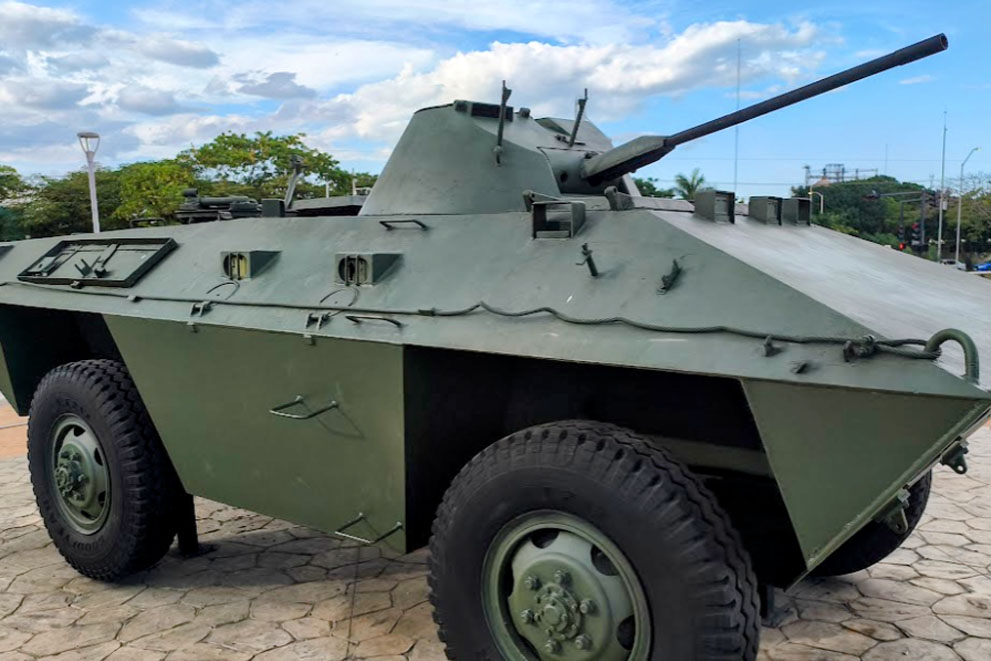
Ground forces operate approximately 650 combat vehicles, including Panhard light armored vehicles, DNC1 tracked vehicles, and Humvee fleets, though some analysts question real combat readiness. Mexico represents less than 3% of U.S. military capacity by equipment metrics. The military’s fundamental orientation remains focused on internal security, emergency response, and social assistance rather than conventional warfare. This doctrine shapes procurement, training, and deployment decisions even as capabilities modernize.