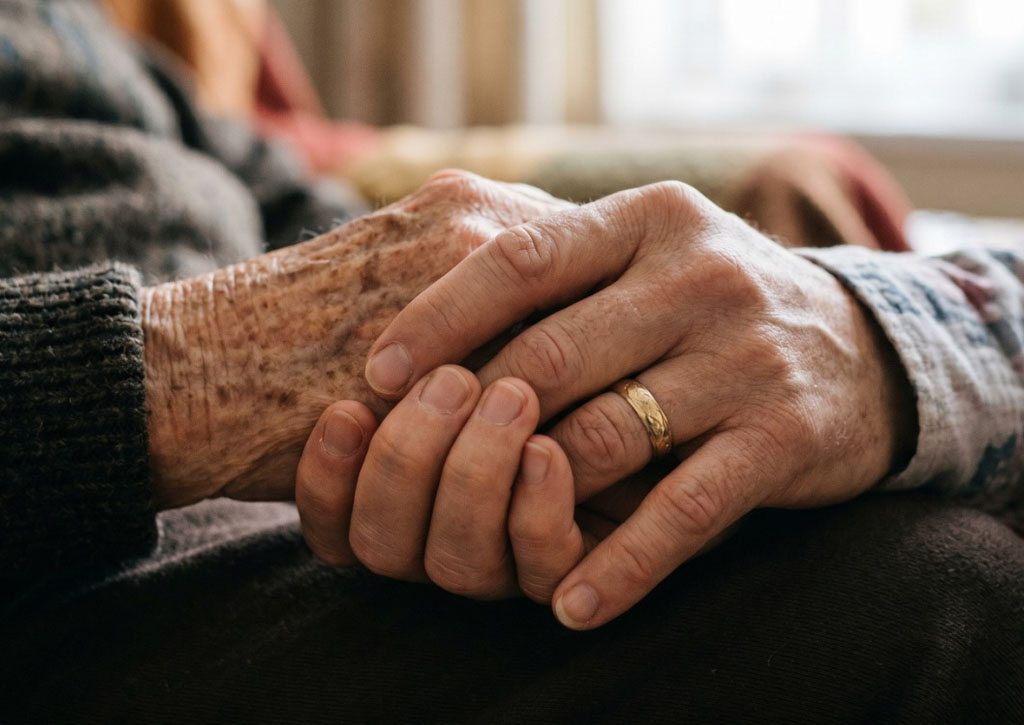
Recent legal actions have pushed the boundaries of a long-standing prohibition, signaling a potential shift in how the nation approaches the concepts of autonomy and dignity in the face of terminal illness.
The Euthanasia Before the Supreme Court
Mexico’s Supreme Court (SCJN) recently agreed to review a legal challenge brought by Silvia García Castañeda, a thanatologist diagnosed with breast cancer.
Her lawsuit contests the absolute prohibition of euthanasia and assisted suicide found in the General Health Law and the Mexico City Penal Code.
The challenge is grounded in her professional and personal experience with the suffering of terminally ill patients, arguing that the current law fails to respect a person’s autonomy to decide how and when to end their life through euthanasia.
This move, approved by a majority of the justices, does not change the current legal reality but opens the door for the Court to decide on the ban’s constitutionality. The central question is whether the prohibition violates fundamental rights or if the state’s interest in preserving life justifies a blanket ban, a decision that would inevitably require legislative action if the ban is overturned.
The Current Legal Framework and a Path Forward
While there is no legal pathway for euthanasia, Mexican law does recognize the figure of “advance directives,” which allows patients to refuse treatments that artificially prolong life in terminal phases
This distinction highlights a growing societal acceptance of decisions regarding the end of life, even as the law stops short of allowing active medical intervention to hasten death.
A recent citizen initiative, known as the “Trasciende Law,” seeks to bridge this gap. This proposal explicitly aims to regulate euthanasia within the General Health Law, effectively repealing the articles that currently ban it [citation:5]. This legislative effort reflects a broader push to legalize what medical literature broadly defines as “assisted dying.”
Perspectives and Public Opinion
In the medical field, the terms “voluntary active euthanasia” and “physician-assisted suicide” carry distinct definitions. The former involves a third party, typically a doctor, administering lethal substances at the patient’s request, while the latter involves the doctor providing the means for the patient to self-administer. Both are currently prohibited in Mexico, but the debate is increasingly framed not as a matter of life or death, but of personal liberty.
Though not legal, the cultural practice of ending life through passive means to honor the wishes of loved ones when there is little to no hope of recovery is also widely practiced in Mexico.
Academic voices, such as Asunción Álvarez del Río from UNAM’s Faculty of Medicine, argue that legalizing medically assisted death empowers individuals, as it is an option that no one is forced to use and no physician is obligated to perform.
Similarly, researcher Diego Valadés from the Institute of Legal Research suggests that this is an evolutionary step in the recognition of human rights, comparable to the legalization of abortion, indigenous rights, or same-sex marriage.
This academic perspective is supported by public sentiment. A national survey indicated that around 72.7% of people agree that laws should change to allow terminally ill patients to receive help to end their lives if they so decide.
The normalization of conversations about death is often cited as a crucial step in removing the taboo surrounding euthanasia. As the Supreme Court prepares to deliberate, Mexico stands at a crossroads. Whether the decision comes from the judicial or legislative branch, the outcome of these debates will define the boundaries of individual sovereignty over one’s own body and life in the country for years to come.