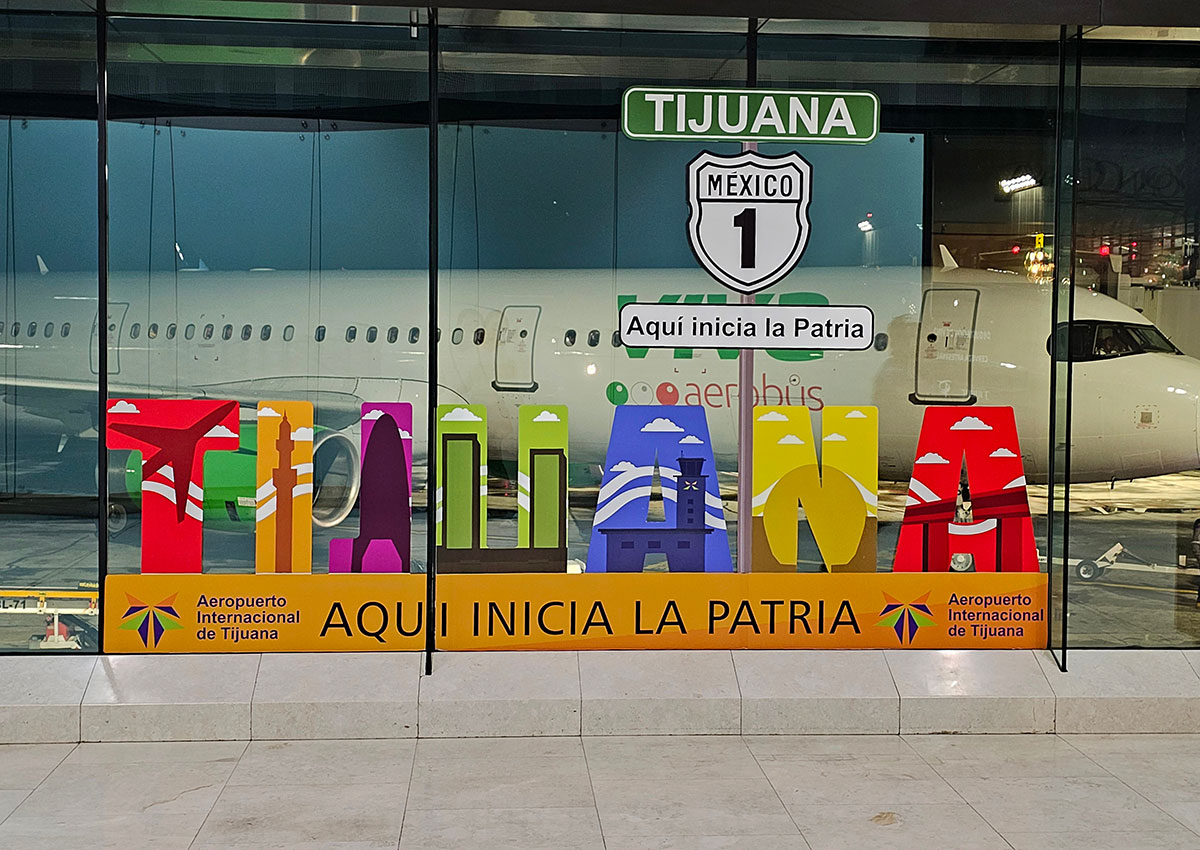
Tijuana has always been a city that people think they understand before they’ve ever set foot there.
For generations of Americans, the mental image was fixed: a rowdy border town of cheap drinks, questionable nightlife, and little else. That picture was always incomplete. Today, it’s also increasingly outdated, though the full truth about Tijuana is more nuanced than either the old reputation or the new boosterism suggests.
Start with the history. Tijuana found its footing during Prohibition, when Americans flooded south looking for legal liquor and jazz. It was a city born of appetite and proximity, and that energy never really left. What did emerge alongside it was something genuinely surprising: culinary innovation. The Caesar salad was invented here in the 1920s by Italian immigrant Caesar Cardini, and Tijuana’s craft beer culture predates the American craze by decades, with Tecate — brewed just 45 minutes east — among its most famous exports.
The modern city has even more to offer. The Valle de Guadalupe wine country to the south has become one of Mexico’s most celebrated culinary destinations, drawing serious food and wine travelers from across North America. Baja-style fish and shrimp tacos — the genuine article — are worth the trip on their own. The city has a thriving arts scene, a pro baseball team, and direct beach access. Increasingly, travel content creators with serious followings are documenting a Tijuana that feels urban, energetic, and genuinely fun. They’re not wrong.
But let’s be honest about the other side of the ledger.
Tijuana recorded roughly 1,600 homicides in 2024 — the highest total of any city in Mexico, and a rate of nearly 96 per 100,000 residents. That puts it among the most violent cities in the world by that measure, not just in Latin America. For context, Chicago — a city Americans often cite as dangerously violent — has a homicide rate closer to 18 per 100,000. It’s also worth noting that Tijuana’s overall crime index, according to Numbeo, sits at 82.47 — significantly higher than Cancún, which registers at 54.61 and is itself considered one of Mexico’s more dangerous tourist destinations. In other words, Tijuana isn’t just edgier than the resort towns most Americans visit — it’s in a different category entirely.
The city is also sharply divided by neighborhood in ways that Google Maps won’t always warn you about. Areas like Zona Río, Avenida Revolución, and Playas de Tijuana are where tourists tend to stay, eat, and move around relatively comfortably. A few blocks in the wrong direction can change the equation entirely. This is not a city for aimless wandering. It rewards visitors who do their research and stay oriented.
Practical advice from people who know the city well: use Uber rather than unmarked taxis, avoid displaying expensive items in public, skip the bridges near the Tijuana River after dark, and don’t let a great evening push you into unfamiliar neighborhoods late at night. These aren’t extraordinary precautions — they’re the same common sense that applies in any major city with economic inequality and a visible criminal underclass. Tijuana simply has less margin for error than most.
None of this should stop a curious, informed traveler from going. The food alone makes a compelling argument, and the region’s cultural richness — from the wine valleys to the Pacific coast — is genuine. But the travelers who have the best experiences in Tijuana tend to be the ones who went in clear-eyed, not the ones who were told there was nothing to worry about.
Know what you’re walking into. Then go enjoy the tacos.