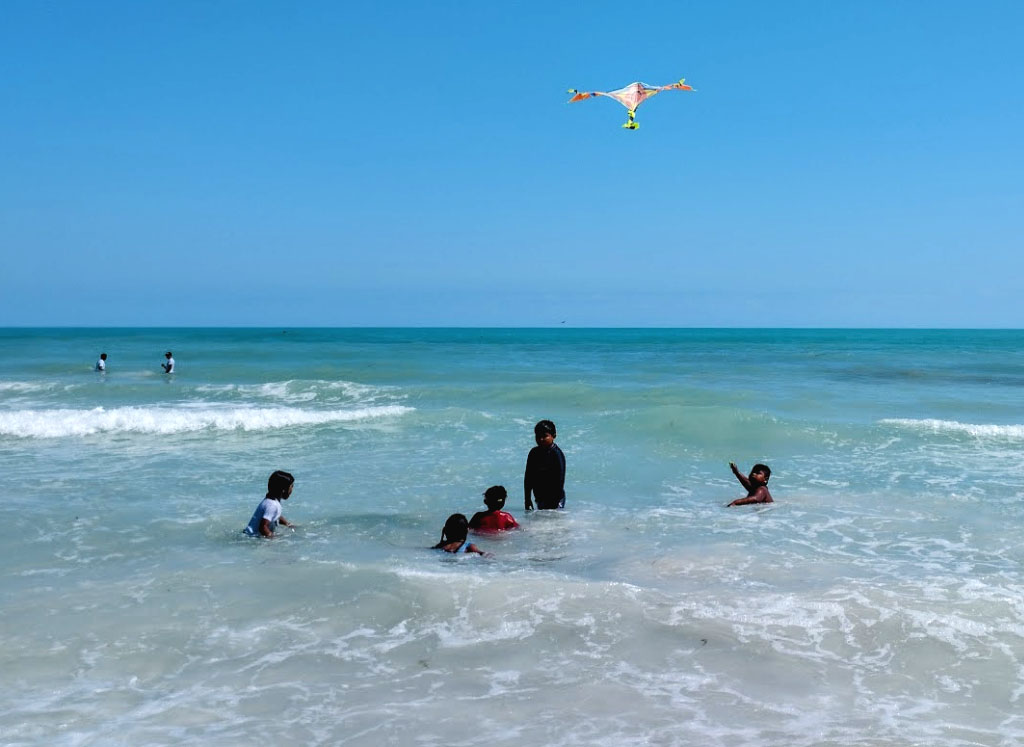
Día del Niño, or Children’s Day, is an annual celebration in Mexico held every April 30 dedicated to honoring children, recognizing their rights, and promoting their well-being. Unlike holidays centered around religious or historical events, el Día del Niño focuses purely on childhood joy, play, and making children feel valued.
The day serves as a reminder that children require protection and that society has an obligation to ensure their healthy development. But over time, it has turned into more than that, a day to celebrate children, often with a special outing or treats.
History of Día del Niño
The origins of Día del Niño trace to the early 20th-century global movement for children’s rights. In 1924, the League of Nations adopted the Declaration of the Rights of the Child, an international agreement recognizing that children require special safeguards. Mexico embraced this declaration and formally established April 30 as a day to celebrate and advocate for children.
The declaration of Día del Niño was made by the Secretary of Public Education in 1924. Some sources cite 1925 as the year the tradition began, following Mexico’s recognition of the Geneva Convention’s focus on child protection. Regardless of the exact year, the holiday has been observed consistently since the mid-1926, making 2026 approximately its 100th celebration.
How Día del Niño Is Celebrated
Día del Niño is not an official public holiday in Mexico—businesses and government offices remain open—but schools typically suspend regular classes to hold festivities.
Schools are the primary site of celebration. Regular academic activities are replaced with parties, games, music, and food. Parents and teachers organize these events together. Typical school activities include: Student performances, games, reciting poems, and sharing or performing dances.
In some schools, a parent committee collects toy donations from local businesses, government offices, and commercial centers so every enrolled student receives a present.
Some parents celebrate by giving small gifts—toys, books, balloons, or candy—or by taking children on special outings. In recent times, these include visits to zoos, the movie theater, carnivals, arcades, and restaurants.
Local governments and community organizations often organize fairs, performances, and cultural events in public spaces. Municipalities may host free carnivals with mechanical rides, face painting, and costumed characters.
Economic Impact
Día del Niño generates significant commercial activity. For 2026, the National Chamber of Commerce, Services, and Tourism of Mérida (CANACO SERVYTUR) estimated that the celebration would generate approximately 824 million pesos in economic impact across the state of Yucatán.
For families nationwide, the National Alliance of Small Merchants (ANPEC) estimated that the average family spending for Día del Niño in 2026 ranges from just over 1,000 pesos to several thousand pesos, depending on the means of the family and how the family chooses to celebrate.
Beyond the festivities, Día del Niño serves an important social function. Psychologists note that children never forget these celebrations—the memories remain for years and strengthen children’s sense of being valued. The games and activities help develop psychological processes, form new personality traits, and prepare children for more complex tasks. The emphasis is less on material gifts and more on making children feel seen, valued, and celebrated.
This being said, it’s important to acknowledge that for many children in México, many children do not have their basic needs are not met, let alone special days to celebrate them.