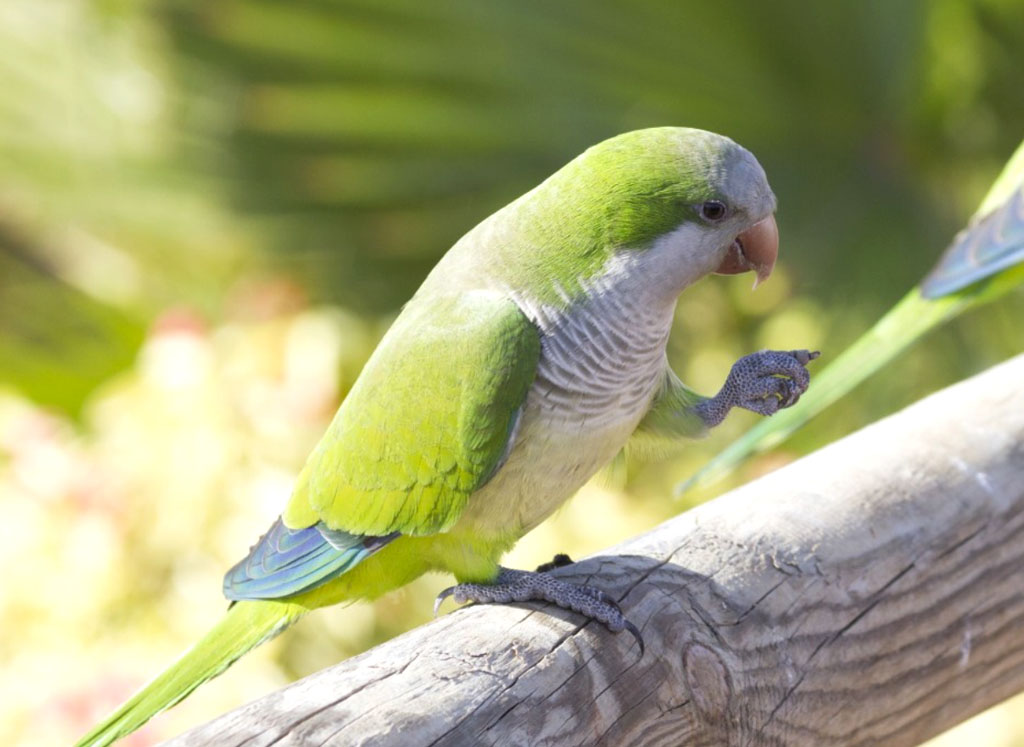
Experts from universities, including UNAM and UADY, are warning about the presence of the Argentine Parrot (Myiopsitta monachus, also known as the monk parakeet) in large swaths of Mexico.
While fascinating to observe, this non-native species is highly likely to become a pest, harming crops and damaging regional ecosystems.
During a presentation on the results of a year-long monitoring program, Dr. Vanessa Martínez García, the program coordinator, explained that this bird was introduced to Mexico as a pet and has spread rapidly across the country.
The Argentine Parrot has already spread to Spain, the United States, Uruguay, and other countries. Authorities in several jurisdictions argue that they have been forced to exterminate the birds using shotguns, fumigation, and chemicals to manage their numbers.
Instead of killing the birds, authorities in Mexico propose capturing the parrots. But support is needed from local, state, and national branches of government.
The plan has been well-received by various government environmental representatives.
Why the Argentine Parrot Is Such a Threat
Problems with the Argentine Parrot begin when they are imported as pets. They are, after all, adorable and colorful birds. But it is also a brilliant and social species. This allows a disproportionate number of them to escape cages.
The Argentine Parrot is also highly adaptable and can thrive and breed in a wide range of geographic and weather conditions. Their populations tend to grow quickly, especially in urban environments, because there are few predators fast enough to catch them.
Another reason for their success is their unique nesting behavior. Unlike most parrots that nest in tree holes, Argentine Parrots build huge, bulky nests from sticks. They often make these nests on human structures, particularly on electrical utility poles and substations. A single nest can weigh over 200 pounds. These nests cause frequent power outages and can even ignite fires, leading to costly repairs and hazardous conditions for people.
Their nesting and feeding habits also hurt local ecosystems and agriculture. A large flock of these parrots can strip a fruit tree or a farmer’s crop of corn or sunflower seeds very quickly. They compete directly with native birds, like bluebirds and woodpeckers, for nesting sites and food. Their vast, sturdy nests are so substantial that other, larger birds sometimes take them over, further pushing out native species.
Furthermore, their colonies, called “parrot apartments,” can host dozens of pairs of birds. As the colony grows, they add more chambers to the nest structure. These large colonies create significant noise and droppings, which can be a nuisance in parks and neighborhoods. While some people enjoy seeing these colorful birds, the problems they cause are substantial.
Mexico has 22 species of parrots. Of these, 11 are endangered, eight are considered threatened, and three are under special protection.