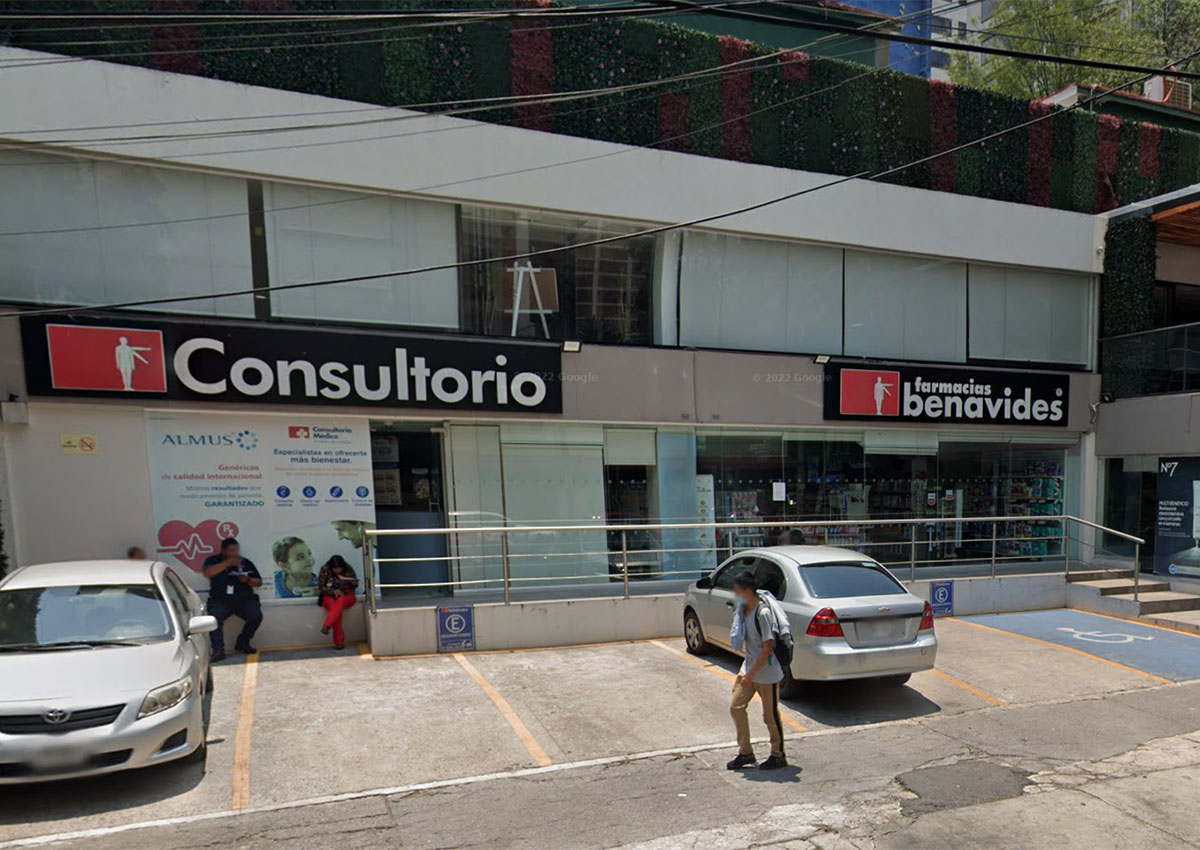
Pharmacies in Mexico typically have something Americans would find unusual — a small medical office right next door or directly attached. These walk-in clinics, known as consultorios adyacentes a farmacias or more casually as “doc in a box,” have become a cornerstone of Mexico’s healthcare system.
For about 50 to 75 pesos ($2.74 to $4.11 USD), patients can see a licensed physician without an appointment. A prescription gets filled immediately at the pharmacy next door. It’s fast, cheap, and surprisingly popular — especially for minor ailments that don’t require emergency care.
The concept took off in the late 1990s when Farmacias Similares, the pharmacy chain behind the iconic Dr. Simi mascot, pioneered the model. What started as a way to make generic medications affordable evolved into something bigger. Today, roughly 20,000 of these clinics operate across Mexico’s network of 50,000 pharmacies, providing nearly 10 million consultations monthly.
These clinics handle the basics: colds, infections, minor injuries, blood pressure checks, and routine prescriptions. Some offer stitches, ear cleanings, and glucose monitoring. For millions of street vendors, taxi drivers, and informal workers without access to public healthcare, they’re often the only option.
The appeal for foreigners living in or visiting Yucatán is obvious. Private hospital consultations cost $30 to $50 USD, while pharmacy clinics charge a fraction of that. There’s no wait time. The doctor speaks at least some English in tourist-heavy areas. And if you’re dealing with a straightforward problem — a throat infection, upset stomach, minor burn — you’re in and out in 20 minutes.
The limits to a pharmacy physician
But the model has critics. Health experts warn these clinics work best for immediate, uncomplicated issues. They’re not ideal for managing chronic conditions like diabetes or hypertension, which require consistent follow-up and coordinated care. The physicians, often recent graduates, earn low wages and sometimes face pressure to prescribe medications available in the attached pharmacy.
Mexican regulations technically require that pharmacy clinics remain physically separate from the drugstore — no connecting doors or hallways allowed. In practice, the distinction gets blurry. The convenience is the whole point.
For expats adjusting to life in Mérida or elsewhere in Yucatán, these clinics solve a practical problem. Minor health issues don’t require navigating the public IMSS system or paying private hospital rates. You show up, explain your symptoms, get a consultation, and walk out with medication in hand.
President Claudia Sheinbaum recently announced plans to create 5,000 additional clinics in partnership with government welfare programs, focusing on rural and underserved communities. The move signals official recognition that these pharmacy-attached clinics have filled a gap in Mexico’s healthcare infrastructure.
Not every medical situation belongs in a doc in a box. Serious symptoms, chronic illness management, and anything requiring diagnostic imaging should send you to a proper clinic or hospital. But for travelers with food poisoning or residents nursing a bad cold, these little offices work exactly as intended.
They’re not trying to replace comprehensive healthcare. They’re just making basic medical care easier to access — and in Mexico, that matters.
WHAT TO KNOW ABOUT PHARMACY CLINICS
• Consultations typically cost 50-75 pesos ($2.74-$4.11 USD)
• No appointments necessary — walk-ins accepted
• Doctors are licensed physicians, often recent graduates
• Best for minor, non-emergency health issues
• Prescriptions can be filled immediately at the attached pharmacy
• Major chains include Farmacias Similares, Farmacias del Ahorro, and Farmacias YZA
• Not recommended for chronic disease management or serious conditions