Despite its popularity, the strongest left-wing party in the democratic world is facing major challenges.
President Claudia Sheinbaum’s first year leading Mexico’s ruling MORENA party has been marked by mounting challenges that threaten to undermine the ambitious social agenda championed by her predecessor. Economic stagnation, fiscal constraints, and rising public frustration over security issues are testing the government’s ability to maintain its unprecedented electoral dominance.
The numbers paint a sobering picture. Mexico’s economy grew just 0.3% in 2025, marking four consecutive years of slowdown. Analysts project GDP will expand only 0.5% this year, placing the country near the bottom of G20 growth rankings. The government inherited a budget deficit that reached a 36-year high of 5.7% of GDP in 2024, largely driven by election-year spending.
Sheinbaum promised aggressive fiscal consolidation, targeting deficit reductions to 3.9% of GDP by 2025 and 3.2% in 2026. Those goals now appear out of reach. The Finance Ministry projects deficits of 4.4% this year and 4.1% next year, as spending commitments have become increasingly rigid. Nearly 44% of the budget goes to subsidies, pensions, and debt servicing—up from 33% when Andrés Manuel López Obrador took office in 2018.
The state oil company PEMEX continues draining public resources, requiring $14 billion in 2026, nearly double the previous year’s allocations. Public investment remains significantly lower than in other Latin American economies, at just 2.5% of GDP compared to a regional average of 3.5%.
These fiscal pressures come as Sheinbaum faces the high-stakes review of the United States-Mexico-Canada Agreement this year. President Donald Trump has called the trade deal “irrelevant,” and uncertainty over tariffs and cross-border commerce weighs heavily on business confidence. Investment levels fell from 24.8% of GDP in mid-2024 to 22% by late 2025.
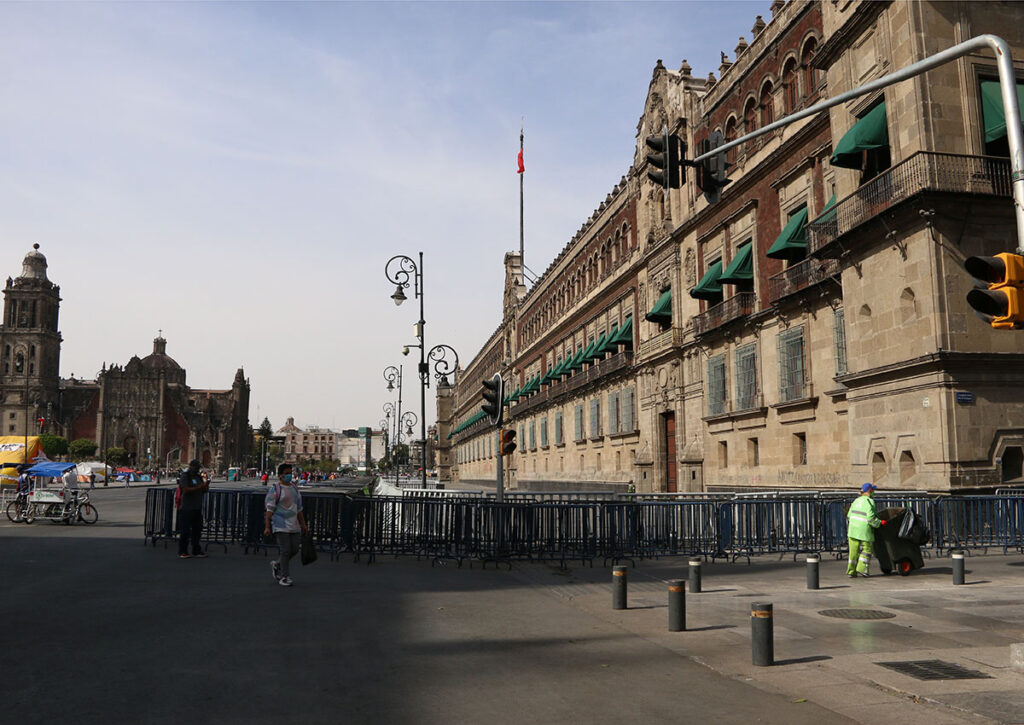
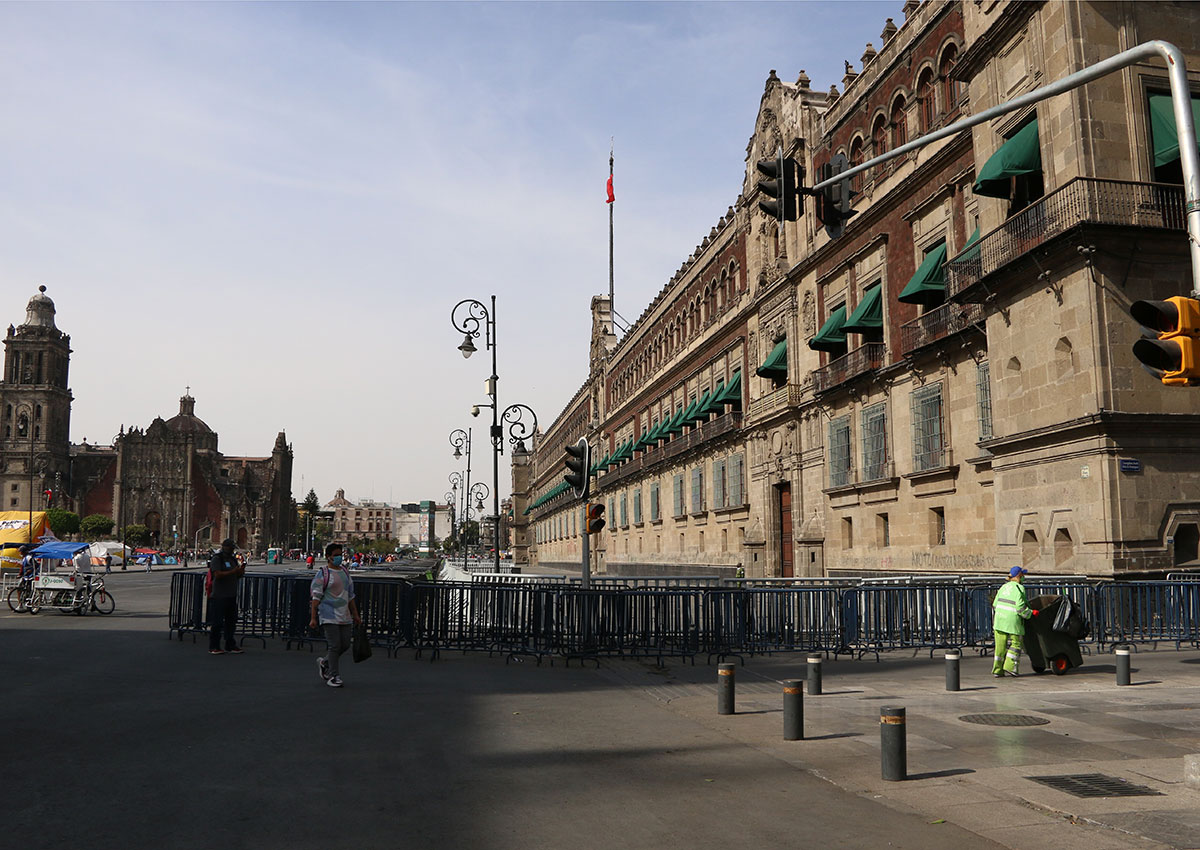
Security concerns have also damaged the government’s standing. The Nov. 1 assassination of Uruapan Mayor Carlos Manzo sparked massive protests across Mexico. On Nov. 15, thousands took to the streets in Mexico City and other major cities, with some demonstrations turning violent. More than 100 police officers were injured in clashes at the capital’s Zócalo plaza.
The protests, organized by groups calling themselves “Generation Z Mexico,” denounced violence, corruption, and what demonstrators called excessive power concentration in the federal executive. Sheinbaum, who maintains a 70% approval rating, accused opposition parties of infiltrating the movement and using social media bots to inflate attendance.
Despite these challenges, MORENA has consolidated extraordinary political power. The party and its allies control 24 of Mexico’s 32 state governorships, hold supermajorities in both houses of Congress, and govern major metropolitan areas. In Yucatán, MORENA captured the governorship in 2024 elections, extending the party’s reach into what had been an opposition stronghold.
That dominance has enabled controversial reforms. Congress pushed through judicial changes requiring judges to be elected through popular vote, a measure critics say threatens judicial independence. The government has dismantled several autonomous regulatory agencies, centralizing authority in the executive branch. U.S. Ambassador Ken Salazar warned last year that the judicial reforms pose a “risk” to Mexico’s democracy.
The government has achieved significant social welfare gains. More than 13 million Mexicans were lifted out of poverty between 2018 and 2024, according to government figures, largely through cash transfer programs and minimum wage increases. The minimum wage rose 13% this year and nearly tripled during López Obrador’s six-year term.
But whether these programs remain sustainable amid economic stagnation is increasingly questioned. Tony Payan, director of the Center for the United States and Mexico at Rice University’s Baker Institute, said the government is pursuing “aggressive” revenue collection because “they are running out of money.”
The political opposition remains weak and fragmented. Traditional parties like the Institutional Revolutionary Party and National Action Party control just a handful of states. One-fifth of MORENA’s coalition legislators are former members of right-wing or center-right parties, diluting the movement’s progressive agenda and creating internal tensions over policy priorities.
Mexico’s challenges reflect broader regional trends. The “pink tide” of left-wing governments that swept Latin America in the early 2020s has begun receding. Argentina, Bolivia, Chile, Honduras, and Panama have elected right-leaning governments, with analysts predicting conservative gains in upcoming Costa Rica, Peru, and Colombia elections.
For Sheinbaum, 2026 will test her ability to balance nationalist rhetoric with pragmatic governance. The USMCA review negotiations require careful navigation between domestic policy priorities and international trade commitments. Security strategy must address organized crime without triggering violence spikes. And economic policy must deliver tangible results without the fiscal room that her predecessor enjoyed.
Whether Mexico’s “Fourth Transformation” can weather these storms will determine not just the fate of MORENA’s political project, but the living standards of millions who have come to depend on the government’s social programs.
Key Challenges Facing Mexico’s Government
- Budget deficit reached 36-year high of 5.7% of GDP in 2024
- Economic growth projected at just 0.5% in 2026, among lowest in G20
- PEMEX requires $14 billion in 2026, double previous year’s funding
- Investment declined from 24.8% to 22% of GDP between mid-2024 and late 2025
- USMCA trade agreement review scheduled for 2026 amid Trump threats
- Mass protests in November 2025 over security and corruption concerns
- Judicial reforms requiring elected judges criticized by U.S. and legal experts
- Public spending increasingly rigid with 44% going to subsidies, pensions, debt
Sources: The Economist, Americas Quarterly, Rice University Baker Institute, Atlantic Council, Al Jazeera