
Author: MxTrib Staff

  • As Calls for World Cup 2026 Boycott Grow, What’s at Stake for Mexico?

    As Calls for World Cup 2026 Boycott Grow, What’s at Stake for Mexico?

    Photo: Fauzan Saari / Unsplash

    Growing international pressure to boycott FIFA World Cup 2026 matches in the United States has raised questions about what such a movement could mean for Mexico, one of three co-hosts for the tournament. While boycott calls target US policy decisions, Mexico stands to gain significantly if fans redirect their travel plans south of the border.

    Former FIFA president Sepp Blatter added his voice to the growing chorus of critics in late January when he endorsed a proposed fan boycott of World Cup matches in the United States. Blatter, who led FIFA from 1998 to 2015, supported comments made by Swiss attorney Mark Pieth, an anti-corruption expert who previously chaired FIFA’s Independent Governance Committee. Pieth had advised fans to avoid traveling to the US for the tournament, warning that supporters who displease officials could face deportation upon arrival.

    The tournament runs from June 11 to July 19, 2026, with 16 host cities spread across Mexico, Canada, and the United States. Mexico will host 13 matches in three cities: Mexico CityGuadalajara, and Monterrey. The US will host 78 of the 104 total matches, including both semifinals and the final at MetLife Stadium in East RutherfordNew Jersey.

    Travel Restrictions Complicate the Picture

    The Trump administration expanded US travel restrictions in December 2025 to include 39 countries and Palestinian Authority travel documents. Four nations that qualified for the World Cup now face severe restrictions: IranHaitiIvory Coast, and Senegal. Fans from Iran and Haiti face full travel bans, while supporters from Ivory Coast and Senegal face partial restrictions linked to visa overstay concerns.

    An additional 12 World Cup-qualified countries have been hit with indefinite bans on immigrant visa processing: Algeria, Brazil, Cape Verde, Colombia, Egypt, Ghana, Guatemala, Jordan, Morocco, Tunisia, Uruguay, and Uzbekistan. While athletes, coaches, and support staff remain exempt from most restrictions, ordinary fans from these nations will struggle to attend matches in US cities.

    The restrictions have prompted Oke Gottlich, a vice president of the German Football Association, to suggest it was time to seriously consider a boycott. Gottlich compared the current situation to Olympic boycotts during the Cold War, arguing that the potential threat now exceeds what existed during the 1980s.

    Mexico’s Historic Role as World Cup Host

    The 2026 tournament marks a historic milestone for Mexico. Estadio Azteca in Mexico City will host the opening match on June 11, making it the only stadium in the world to host World Cup matches in three separate tournaments, following 1970 and 1986. The country will also host group stage matches at Estadio Akron in Guadalajara (capacity 48,071) and Estadio BBVA in Monterrey.

    Mexico has been placed in Group A alongside South Korea, South Africa, and the winner of UEFA playoff path D (which could be Czech Republic, Republic of Ireland, Denmark, or North Macedonia). El Tri will play all three-group stage matches at Estadio Azteca, giving home fans the opportunity to support the national team without crossing international borders.

    The Mexican government has invested heavily in preparation. Estadio Azteca is undergoing a $175 million renovation to increase seating capacity from 87,500 to 90,000. Mexico City neighborhoods surrounding the stadium have received more than $350 million in infrastructure upgrades focused on security, mobility, and public services.

    Economic Stakes for Mexico

    Official projections estimate the tournament will attract more than 5.5 million visitors to Mexico and inject between $1.8 billion and $3 billion into the national economy. However, the Confederation of National Chambers of Commerce, Services and Tourism (CONCANACO SERVYTUR) believe the economic impact could reach nearly 200 billion Mexican pesos (approximately $11.3 billion) if benefits extend beyond the three host cities.

    Guadalajara alone expects to attract one million visitors, with local economic revenues estimated at up to $7 billion and approximately 40,000 temporary jobs. Foreign direct investment from the United States during the first half of 2025 reached $14.7 billion, representing a 7% increase compared to the same period in 2024. Investment in cultural, sports, and recreational services nearly tripled the flow recorded the previous year.

    International tourists typically spend nearly three times more per purchase than domestic consumers. Data shows foreign visitors spend around 1,015 Mexican pesos (approximately $55) per transaction, compared to 356 pesos ($19.33) by domestic shoppers. This spending differential makes international fan attendance particularly valuable for Mexican businesses.

    Could a US Boycott Benefit Mexico?

    If significant numbers of international fans choose to avoid US matches while still attending the tournament, Mexico could emerge as a primary beneficiary. Some advocacy groups have called for matches scheduled in the United States to be moved to Canada and Mexico. While such a dramatic shift remains unlikely given FIFA’s existing agreements and infrastructure plans, fans who are uncomfortable traveling to the US could choose to attend only matches in Mexican or Canadian cities.

    The geographic distribution of matches creates natural travel patterns. Fans following teams playing in Group A, which includes Mexico, will already be concentrated in Mexico City. Similarly, fans from countries facing US travel restrictions could focus their World Cup experience on Mexican venues, where entry requirements remain more accessible.

    Mexico’s Plan Concanaco: Un Mundial Muy Mexicano (A Very Mexican World Cup) aims to distribute economic benefits beyond the three host cities through community tourism, cultural experiences, and local gastronomy. The plan targets neighborhood economies and family-owned businesses rather than concentrating revenue in large international chains. Seven additional cities have been designated as training hubs: Puebla, Torreon, Queretaro, Pachuca, Cancun, Toluca, and Tijuana.

    Practical Realities of a Boycott

    Despite growing rhetoric, most analysts believe a coordinated boycott remains unlikely. FIFA President Gianni Infantino has maintained close ties with the Trump administration, including opening a FIFA office in Trump Tower in New York City. In 2025, Infantino presented Trump with an inaugural FIFA Peace Prize during a ceremony in Washington, DC.

    The Trump administration has attempted to address visa concerns by launching the FIFA PASS (Priority Appointment Scheduling System), which prioritizes visa interviews for ticket holders. More than 400 additional consular officers have been deployed to US embassies worldwide to handle World Cup-related visa requests.

    Fans from 212 countries and territories submitted ticket requests during the random selection draw phase, with FIFA reporting an average of 15 million ticket requests per day over a 33-day application window. Residents of the three host countries drove the most purchases, followed by fans in England, Germany, Brazil, Colombia, Spain, Argentina, and France.

    France’s Sports Minister Marina Ferrari stated there is currently no desire for a boycott of the tournament. The Danish Football Association has acknowledged the situation as sensitive but stopped short of advocating withdrawal.

    Mexico’s Opportunity Amid Uncertainty

    For Mexico, the World Cup arrives at a difficult time in US-Mexico relations. The tournament offers an opportunity to showcase the country’s infrastructure, culture, and hospitality to a global audience. Secretary of Economy Marcelo Ebrard has described the event as a chance to compete against negative narratives and demonstrate what kind of country Mexico really is.

    Cultural programming will accompany the matches. The Mexico of My Flavors gastronomic festival runs from June 5 to July 22 in Mexico City, uniting cuisine, crafts, and folk art from all Mexican states. A beautification program called Rutas Magicas de Color will enhance public spaces, and football tournaments will be held in Pueblos Magicos, towns recognized for their historical and cultural significance.

    Whether or not boycott calls gain traction, Mexico appears positioned to benefit from the tournament. Fans who wish to experience the World Cup while avoiding political tensions in the US will find an alternative in Mexican host cities. For supporters from countries facing travel restrictions, Mexico offers the only North American option for watching their teams in person.

    The tournament will test whether sport can remain separate from geopolitics. For 39 days this summer, the world of football will be watching closely, and Mexico will be ready to welcome whoever arrives.

    Visit the official FIFA website for match details and ticket information.

  • Monterrey Factory Hit With $4.8 Million Fine After Guardian Investigation Exposes Toxic Contamination

    Monterrey Factory Hit With $4.8 Million Fine After Guardian Investigation Exposes Toxic Contamination

    Photo: Unsplash

    A year-long series of investigative reports by The Guardian and Quinto Elemento Lab, a Mexican investigative journalism unit, has forced the Mexican government to take wide-ranging action against industrial pollution in the Monterrey metropolitan area. The investigation centered on a factory called Zinc Nacional, located in the municipality of San Nicolás de los Garza, which imports and processes hazardous steel dust shipped from the United States. Federal regulators have now levied MX$83.2 million (approximately US$4.8 million) in fines and ordered the company to carry out 24 separate corrective measures.

    The Guardian’s reporting, first published in January 2025, traced how American steel companies ship a byproduct known as electric arc furnace dust to the Zinc Nacional plant. This dust is left over from the process of recycling scrap metal, including old cars and appliances, in high-heat furnaces. It contains significant concentrations of lead, cadmium, and arsenic, and is classified as hazardous waste under both US and Mexican law. In 2022 alone, US companies sent nearly 200,000 tons of this material to the Monterrey-area facility, according to trade records reviewed by the reporting team. At the plant, the dust is processed in furnaces to extract zinc, which is then sold for use in fertilizer, animal feed, and paint.

    A toxicology researcher from the Universidad Nacional Autónoma de México (UNAM)Martín Soto Jiménez, collaborated with the journalists and took soil and dust samples from 18 locations within a 1.5-mile (2.5 km) radius of the plant. The results were alarming. One elementary school, located half a mile from the facility, recorded lead levels on its window sills at 1,760 times the threshold that would trigger a public health response in the United States. Samples also revealed high concentrations of cadmium, arsenic, and zinc in homes, schools, and streets throughout the surrounding neighborhood.

    Fines, Monitoring, and a Precedent-Setting Agreement

    The Mexican government’s response has come in waves. According to the Guardian’s reporting, Profepa (the federal agency responsible for environmental inspection and enforcement) arrived at the plant in January 2025 and spent seven days conducting an investigation. Inspectors found improperly stored materials, including thousands of bags of hazardous dust sitting in the open air, some broken and leaking onto bare ground. The agency shut down 15 pieces of emissions-control equipment that lacked proper authorization.

    In December 2025, Profepa issued the MX$83.2 million fine and confirmed the 24 corrective measures. It also signed what it called an Objective Environmental Responsibility Agreement with Zinc Nacional, requiring the company to repair, restore, and compensate for environmental damage. The agreement was established under Article 168 of Mexico’s General Law of Ecological Balance and Environmental ProtectionMariana Boy Tamborrell, head of Profepa, described the case as a turning point for the agency’s approach to industrial oversight.

    As part of the corrective measures, Zinc Nacional is required to relocate its most polluting operations to a new plant outside the Monterrey metropolitan area. The company must also build new containment and water treatment infrastructure at its existing site, carry out soil remediation, and reforest 12 acres (5 hectares) of land. An additional four hectares have been set aside voluntarily for conservation and registration with Mexico’s National Commission of Natural Protected Areas (CONANP). Profepa says it will maintain permanent oversight going forward.

    Perhaps most notably, the government announced plans for a new atmospheric monitoring network designed to track industrial emissions, including heavy metals. According to the Guardian’s reporting, officials described it as the first system of its kind in Latin America. Specifics remain limited. The Guardian noted that it was unclear at publication time whether the network would cover only the Monterrey area or apply more broadly across the country. Soto Jiménez, the UNAM toxicologist, said the monitoring system could prove meaningful if it includes real-time public access to data, allowing residents and independent scientists to review and analyze the information themselves.

    A Factory Tied to America’s Hazardous Waste Pipeline

    The investigation shed light on a much larger cross-border trade in toxic waste. According to the Guardian and Quinto Elemento Lab’s analysis of US records, American companies exported 1.4 million tons of hazardous waste to Mexico, Canada, and South Korea in 2022. The Monterrey region alone received nearly half of all hazardous waste the US sent abroad that year, including not only steel dust but hundreds of thousands of tons of spent lead batteries. Exports of toxic waste from the US have climbed 17% since 2018, the investigation found.

    The Guardian’s broader reporting on Monterrey’s industrial emissions found that factories in the region release more toxic heavy metals into the air than the combined totals reported in many US states. The region’s carbon dioxide output from industry exceeds that of nearly half the world’s nations, according to the investigation. The metropolitan area of 5.3 million people has long struggled with poor air quality, and on bad days, Monterrey records some of the worst fine-particle pollution readings anywhere in the world.

    Zinc Nacional, founded in 1952 and majority-owned by the Alverde Villarreal family, has pushed back against some of the findings. In a statement to the Guardian and Quinto Elemento Lab, the company acknowledged some contamination on its property but attributed it to a previous occupant of the site. It maintained that its own air emissions fall within regulatory limits and that no contamination is being carried into the air or nearby waterways. The company also disputed the methodology of the soil sampling conducted in the surrounding community, saying it did not prove the heavy metals originated from its operations.

    Residents Demand Transparency and Accountability

    For people living near the factory, the government’s announcements have been met with cautious frustration. Some residents told the Guardian that enforcement efforts focus too narrowly on contamination inside the plant’s boundaries while ignoring concerns about health effects and heavy metal levels in the surrounding neighborhood. Soil samples from homes and schools showed lead, cadmium, and arsenic concentrations well above safe thresholds, and residents want to know what will be done about contamination that has already spread beyond the factory fence.

    Since the first stories were published in early 2025, neighbors have organized protests outside the plant and launched petition drives. The Guardian reported that demonstrators carried signs reading, among other slogans, “Take your mess to the US” and “Your millions are not worth our lives.” Community members have called on regulators to publicly share soil sample results and air emissions data going forward, and to impose enforceable deadlines on each step of the remediation plan.

    Some residents expressed specific disappointment that the agreement did not address the health impacts already experienced by families living in the factory’s shadow. Susana de la Torre Zavala, the mother of two children attending a school adjacent to the plant, told the Guardian after a company-organized tour that parents were given little concrete information.

    New Legislation and Citizen Action

    The fallout from the investigation has extended to the legislative level. Federal senator Waldo Fernández, who chairs the Senate committee overseeing Mexico’s trade negotiations with the US under the USMCA framework, told the Guardian he is drafting legislation to amend Mexico’s environmental law. The proposed changes would restrict imports of certain categories of toxic waste that are deemed not “environmentally beneficial” for Mexico, including materials with high concentrations of arsenic, lead, and cadmium. The bill would also require plants that process heavy metals to monitor their emissions more rigorously.

    Mexico’s primary environmental regulator, Semarnat, announced separately in December 2025 that it is updating three industrial air pollution standards, some of which had not been revised in decades. The proposed changes include cutting the allowable amount of particulate matter that factories can release into the air by 50%. Semarnat is also updating Mexico’s soil contamination standards, according to testimony its head gave before the national congress.

    Two citizen groups in Monterrey have also taken action. One organization is collecting signatures for a referendum that would bring the city’s air quality standards in line with international guidelines. A second group, a prominent coalition of Monterrey-based activists known as the Group of 6, filed a lawsuit in December 2025 demanding a federal investigation into air emissions from industry across the region. Liliana Flores, one of the group’s founders, told the Guardian that thousands of people in Monterrey are estimated to die each year from air pollution, and that many others suffer from chronic illnesses including asthma. She noted that the largest industrial emitters are companies with the financial resources to adopt cleaner technology but have chosen not to do so.

    What Comes Next?

    Whether the government’s enforcement actions mark a genuine turning point or a temporary reaction to media pressure remains to be seen. Zinc Nacional has committed to moving its most intensive operations out of the Monterrey metro area within two years, but the company has not disclosed where the new facility will be located. The atmospheric monitoring network, if it materializes with real-time public data access, would represent a genuine first for the region. But details are scarce, and residents remain skeptical.

    The investigation has made clear that Monterrey’s pollution problem extends far beyond a single factory. The Guardian and Quinto Elemento Lab’s analysis of emissions data from over 1,000 companies in the state of Nuevo León showed that Zinc Nacional reported emitting more arsenic than any other company in the state in 2023. But it is one of many industrial operations that collectively make the region’s air among the most polluted in North America. On an average day, Monterrey’s fine-particle pollution readings run nearly double those of Los Angeles, which has long been considered the most polluted major city in the United States.

    For the families living in the shadow of the Zinc Nacional plant, the question is straightforward: when will someone clean up their neighborhood, test their children, and hold the responsible parties to firm, public deadlines? The answer, for now, depends on how seriously regulators follow through on what they’ve promised.

    You can read The Guardian’s story in full here.

  • Mexico’s ‘Doc in a Box’ Clinics Make Healthcare Cheap and Convenient
    Mexico’s ‘Doc in a Box’ Clinics Make Healthcare Cheap and Convenient

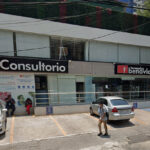
    Pharmacies in Mexico typically have something Americans would find unusual — a small medical office right next door or directly attached. These walk-in clinics, known as consultorios adyacentes a farmacias or more casually as “doc in a box,” have become a cornerstone of Mexico’s healthcare system.

    For about 50 to 75 pesos ($2.74 to $4.11 USD), patients can see a licensed physician without an appointment. A prescription gets filled immediately at the pharmacy next door. It’s fast, cheap, and surprisingly popular — especially for minor ailments that don’t require emergency care.

    The concept took off in the late 1990s when Farmacias Similares, the pharmacy chain behind the iconic Dr. Simi mascot, pioneered the model. What started as a way to make generic medications affordable evolved into something bigger. Today, roughly 20,000 of these clinics operate across Mexico’s network of 50,000 pharmacies, providing nearly 10 million consultations monthly.

    These clinics handle the basics: colds, infections, minor injuries, blood pressure checks, and routine prescriptions. Some offer stitches, ear cleanings, and glucose monitoring. For millions of street vendors, taxi drivers, and informal workers without access to public healthcare, they’re often the only option.

    The appeal for foreigners living in or visiting Yucatán is obvious. Private hospital consultations cost $30 to $50 USD, while pharmacy clinics charge a fraction of that. There’s no wait time. The doctor speaks at least some English in tourist-heavy areas. And if you’re dealing with a straightforward problem — a throat infection, upset stomach, minor burn — you’re in and out in 20 minutes.

    The limits to a pharmacy physician

    But the model has critics. Health experts warn these clinics work best for immediate, uncomplicated issues. They’re not ideal for managing chronic conditions like diabetes or hypertension, which require consistent follow-up and coordinated care. The physicians, often recent graduates, earn low wages and sometimes face pressure to prescribe medications available in the attached pharmacy.

    Mexican regulations technically require that pharmacy clinics remain physically separate from the drugstore — no connecting doors or hallways allowed. In practice, the distinction gets blurry. The convenience is the whole point.

    For expats adjusting to life in Mérida or elsewhere in Yucatán, these clinics solve a practical problem. Minor health issues don’t require navigating the public IMSS system or paying private hospital rates. You show up, explain your symptoms, get a consultation, and walk out with medication in hand.

    President Claudia Sheinbaum recently announced plans to create 5,000 additional clinics in partnership with government welfare programs, focusing on rural and underserved communities. The move signals official recognition that these pharmacy-attached clinics have filled a gap in Mexico’s healthcare infrastructure.

    Not every medical situation belongs in a doc in a box. Serious symptoms, chronic illness management, and anything requiring diagnostic imaging should send you to a proper clinic or hospital. But for travelers with food poisoning or residents nursing a bad cold, these little offices work exactly as intended.

    They’re not trying to replace comprehensive healthcare. They’re just making basic medical care easier to access — and in Mexico, that matters.


    WHAT TO KNOW ABOUT PHARMACY CLINICS

    • Consultations typically cost 50-75 pesos ($2.74-$4.11 USD)

    • No appointments necessary — walk-ins accepted

    • Doctors are licensed physicians, often recent graduates

    • Best for minor, non-emergency health issues

    • Prescriptions can be filled immediately at the attached pharmacy

    • Major chains include Farmacias Similares, Farmacias del Ahorro, and Farmacias YZA

    • Not recommended for chronic disease management or serious conditions

  • The Real Cost of Expat Life in Mexico: Why Affordability Isn’t Enough
    The Real Cost of Expat Life in Mexico: Why Affordability Isn’t Enough

    The pitch is seductive: Trade your overpriced apartment and endless grind for sun-drenched streets, fresh tortillas, and a bank account that finally breathes. Mexico — close to home, culturally rich, and refreshingly affordable. What’s not to love?

    Plenty, as it turns out, once the honeymoon phase fades.

    While Mexico’s popularity as an expat destination continues to surge — with over 1.6 million Americans now calling it home — the rose-tinted narratives promoted by lifestyle bloggers and retirement magazines often gloss over harsh realities. Yes, Mexico can offer an exceptional quality of life. But arriving with dollar-sign dreams and little else is a recipe for disappointment, frustration, and potentially financial disaster.

    The Affordability Myth Unravels Quickly

    Mexico City now holds the dubious distinction of being Latin America’s most expensive city for international residents. Food inflation has climbed steadily, hovering between 4-5%, while services and entertainment costs have surged in popular neighborhoods. Property prices across Mexico jumped 247% from 2005 to 2021 — and that’s not just in tourist hotspots. Even sleepy inland states saw prices nearly triple.

    The real shock comes for families. Unlike countries with robust childcare infrastructure designed around dual-income households, Mexico’s systems assume extended family support networks. Without those built-in relationships, expats find themselves paying for full-time nannies, private healthcare (Mexican social security benefits through IMSS typically require formal employment), and schools with inconvenient schedules that don’t accommodate working parents. The affordability equation shifts dramatically when you’re cobbling together support systems locals take for granted.

    One cafe owner in Mexico City’s trendy Condesa neighborhood noted the jarring disconnect: “Many expats talk about how cheap Mexico is while hiring cleaners, ordering delivery constantly, and complaining that the ‘good’ groceries are expensive. They’re not living cheaply — they’re just living with more privilege than they could afford back home.”

    Living expenses climb higher still if you insist on maintaining the lifestyle from your home country. Import anything — electronics, clothing, specialty foods — and watch prices skyrocket. Middle-class Mexicans routinely travel to U.S. border cities specifically to buy laptops and clothes at American prices because Mexican retail markups are so steep.

    The expats who thrive financially share common traits: they earn in dollars but adapt their spending to local standards, they learn enough Spanish to negotiate better prices, and they resist the gravitational pull of expat enclaves where everything costs double.

    Consumer Protection Exists Only on Paper

    Perhaps the most jarring adjustment involves Mexico’s weak consumer protection systems. Coming from rule-based environments where regulations actually protect consumers, expats quickly learn that Mexican bureaucracy operates on fundamentally different principles.

    In the United States, Canada, Australia, and much of Europe, following regulations generally protects your interests. Consumer protection agencies can compel businesses to honor refunds or compensate for errors. In Mexico, agencies like Profeco exist in theory, but fines for illegal behavior flow to the state rather than harmed parties. Enforcing your rights usually means hiring a lawyer — an expensive proposition that makes most infractions not worth pursuing.

    This becomes painfully evident in rental situations. Multiple expats reported landlords attempting illegal evictions when higher-paying tenants appeared. Suppliers who won’t honor contracts. Missing or incorrect facturas (electronic tax receipts) that can tank your entire deduction even when you have other documentation. Banks that refuse to fix errors. The list goes on.

    One business owner described the precarious feeling: “The moment one link fails — an unhelpful bank, a supplier who won’t honor a contract, a permit delayed with no explanation — the whole structure wobbles, and there’s no obvious safety net. You’re just… on your own.”

    Learning to navigate this requires developing entirely new skills: building networks of trusted service providers, keeping meticulous documentation, knowing which battles to fight and which to abandon, and sometimes leveraging the threat of tax reporting to encourage cooperation.

    Bureaucracy That Defies Logic

    Opening a bank account. Transferring utilities. Applying for residency. Registering a business. Each seemingly simple task can spiral into a marathon of multiple office visits, mysteriously missing documents, and contradictory requirements that vary by location and sometimes by the mood of the person behind the desk.

    Mexico’s tax collection agency, the SAT, relies heavily on electronic invoicing. A missing receipt from months ago could torpedo your entire business deduction. Property rentals come with labyrinthine requirements — landlords must register with SAT, issue proper CFDIs, and maintain immigration compliance if they’re foreign residents. Tenants who discover their landlord isn’t following these rules suddenly have tremendous leverage: withhold rent and remain in the property for months, essentially rent-free.

    For business owners, the challenge multiplies. One small business owner described opening a cafe as navigating multiple offices and portals — often requiring in-person appearances — that delayed her opening by weeks. A critical permit held up with no explanation and no clear path to resolution. Mexico’s civil law system means precedent doesn’t matter much; each case gets decided independently, making outcomes less predictable.

    The survival strategy most successful expats employ: hire professionals who know the system. Immigration facilitators, accountants familiar with SAT requirements, lawyers who can navigate property transactions. Yes, it costs money. But the alternative — wandering through the bureaucratic maze alone — costs more in time, stress, and potentially disastrous mistakes.

    The Language Barrier Never Fully Disappears

    Conversational Spanish helps. Fluency helps more. But even expats with solid language skills describe moments of profound isolation, particularly in fast-paced social situations where they can’t keep up with rapid-fire conversation. As one expat put it: “Something that haunts me is that you could replace me with a potted fern at a party, and nobody would spot the difference. At that point, I’m essentially a less aesthetically pleasing version of a houseplant.”

    Beyond social integration, language creates professional limitations. Certain jobs — doctors, accountants, architects — are legally reserved for Mexican nationals. Even in international companies, not speaking Spanish fluently limits advancement opportunities and workplace relationships.

    The English-speaking bubbles in places like Puerto Vallarta, Playa del Carmen, or San Miguel de Allende create a false sense of security. You can get by without Spanish. But “getting by” and “fully integrating” are vastly different experiences. The expats who feel most at home are the ones who invested seriously in language learning, even when it was uncomfortable and slow.

    Gentrification Creates Real Tension

    Walk through Mexico City’s Roma Norte or Condesa neighborhoods and you’ll see the evidence everywhere: cafes with menus only in English, co-working spaces catering to digital nomads, apartment buildings where one in five units operates as short-term Airbnb rentals.

    In July 2025, hundreds of protesters gathered in Condesa’s Parque México carrying signs reading “You’re not an expat, you’re an invader” and “Dispossession comes disguised as Airbnb.” Some graffiti was even more pointed: “Kill gringos,” “Learn Spanish, you dog,” and “White people: your privilege rests on our labor and dispossession.”

    The numbers tell the story: Between 2019 and 2023, Airbnb listings in central Mexico City neighborhoods increased 74%. Rents in prime areas like Polanco, Roma, and Santa Fe surged up to 30% in five years. More than 20,000 low-income families are forced to leave the capital annually due to rising costs. Nearly half of all home sales in Mexico City went to foreign buyers in 2022.

    Research from Tec de Monterrey found that while digital nomads aren’t the sole cause of displacement — government policies and domestic investment play larger roles — they accelerate gentrification dramatically. The concentration matters more than the numbers. A few thousand high-income foreigners in specific walkable neighborhoods can drastically reshape rental markets, businesses, and community character.

    This creates moral complexity for conscientious expats. They didn’t personally create the housing crisis. Many are economic refugees themselves, fleeing unaffordable cities in their home countries. But their presence — and their spending power — undeniably contributes to displacement.

    The expats navigating this most thoughtfully are the ones integrating meaningfully: learning Spanish, supporting locally-owned businesses instead of international chains, advocating for affordable housing policies even if it means paying more themselves, and building real relationships rather than treating Mexico as a picturesque backdrop for their remote work lifestyle.

    Culture Shock Comes in Waves

    Perhaps the most unexpected challenge is that culture shock isn’t a one-time experience you power through during the first chaotic months. It’s cyclical, hitting hardest after initial integration when you understand enough to recognize everything you still don’t understand.

    The psychologist who’s lived in Mexico City longer than anyone else interviewed described it this way: “I feel the initial arrival is easier — the romance phase with great weather, affordable rent, friendly faces and delicious fruit. What was harder was not being prepared for how culture shock reveals itself the further you integrate. It’s not something you go through once at the start. It’s cyclical.”

    Time operates differently. Mañana culture means plans change constantly, schedules shift, and that permit you need might arrive tomorrow or next month. For people socialized in punctuality-obsessed cultures, this requires fundamental personality recalibration.

    Unexpected fiestas shut down entire neighborhoods. The power goes out with no warning or estimated restoration time. Your package disappeared somewhere between the delivery truck and your gate. The restaurant you loved closed abruptly with no explanation. Your favorite corner store got replaced by another trendy cafe.

    The expats who thrive are the ones who develop flexibility as a core skill. They build buffer time into everything, maintain backup plans, and learn to laugh when the carefully constructed schedule implodes. Those who can’t adapt this way tend to leave, bitter about “inefficiency” and “unreliability” — missing that they’re trying to impose their cultural framework onto a system operating by entirely different rules.

    When Does It Feel Like Home?

    For some expats, Mexico feels like home immediately. For others, it’s a years-long journey punctuated by doubts. For many, it’s something in between — moments when it feels profoundly right alternating with days when everything feels foreign and exhausting.

    One pattern emerges clearly: the expats building sustainable, satisfying lives in Mexico aren’t the ones who moved purely for financial arbitrage. They’re the ones who fell in love with something deeper — the culture, the pace of life, the warmth of relationships, the aesthetic beauty, the sense of being part of something larger than endless productivity.

    They’re also the ones who came with realistic expectations, adequate financial cushions, and genuine interest in integration rather than recreation. They invested in language skills, built local networks, respected cultural differences, and accepted that things wouldn’t work exactly like home.

    A business owner who became a Mexican citizen after eight years captured it perfectly: “Come here to continue producing, creating wealth and building happiness for yourself and the people around you. Don’t come just to settle and chill, especially if you’re young.”

    Another expat, reflecting on six years in Mexico City, said: “My Mexico journey is far from complete — it’s now a permanent part of my story and my life, and I suspect it will remain so in some form or another.”

    The Bottom Line

    The expats who build sustainable lives in Mexico share a common trait: they didn’t move solely for financial reasons. A business owner who became a Mexican citizen after eight years put it simply: “The more grateful I became, the more it felt like mine.”

    Mexico’s appeal remains real — the culture, the warmth, the quality of life. But those advantages reveal themselves slowly, often after working through the challenges that send less committed arrivals back home within months.

    For those willing to invest in language learning, navigate bureaucratic frustration, and accept weak consumer protections as the price of entry, Mexico offers genuine rewards. For those chasing cheap rent and little else, the shine wears off quickly. The difference between those two experiences isn’t luck. It’s preparation, expectations, and why you came in the first place.

  • Hackers Leak 2.3 TB of Data from 25 Mexican Institutions

    Hackers Leak 2.3 TB of Data from 25 Mexican Institutions

    A hacker collective known as Chronus made good on threats Thursday, releasing massive amounts of personal data from government agencies and institutions across Mexico — including information from a private university in Yucatán.

    The group dumped roughly 2.3 terabytes of data involving 25 institutions, according to cybersecurity journalist Ignacio Gómez Villaseñor, who reviewed the leaked files. Chronus estimates the breach affects about 36.5 million people, or 28% of Mexico’s population.

    Among the affected institutions is Clínica Universitaria Anáhuac Mayab in Yucatán, alongside the municipality of Benito Juárez in Quintana Roo, which includes Cancún.

    The data dump represents one of the largest cybersecurity breaches in Mexico’s recent history. It exposes personal details ranging from Social Security numbers and medical records to internal government documents and voter registration data.

    Biggest target: IMSS Bienestar

    The most extensive leak involved IMSS Bienestar, Mexico’s public healthcare system. Hackers released 1.8 terabytes in five compressed files containing the System of Social Protection in Health registry.

    That database includes information on 3.15 million people, complete with direct validations from Mexico’s national population registry RENAPO, affiliation status, geographic locations and digital validation QR codes. The predominantly PDF format suggests hackers extracted complete digitized records, not just metadata.

    Within an hour of publication, the IMSS Bienestar database had been downloaded 74 times.

    The National Perinatology Institute also suffered a severe compromise. Hackers obtained a complete SQL database dump with more than 24 internal databases and 494,311 lines of records. The administrative-level access would allow reconstruction of the institute’s complete operational and clinical history.

    Biometric data exposed

    The National Insurance and Bonding Commission breach exposed information on 95,178 people in the insurance sector. Unlike other cases, this dataset includes biometric data such as personal photographs alongside CURP, RFC and license numbers — significantly increasing the risk of identity theft and high-quality fake documents.

    The ruling Morena party’s affiliate registry was compromised, exposing data on 26,899 members. The leak includes voter credentials, affiliation status, personal phone numbers and internal review notes — information that could be used to identify and locate party members beyond public figures.

    Mexico’s tax agency SAT also appears on the list, though the extent of that breach remains unclear. Chronus suggested more SAT information could be released through a VIP channel.

    Complete list of affected institutions

    The 25 compromised entities include:

    • Clínica Universitaria Anáhuac Mayab
    • Municipality of Benito Juárez, Quintana Roo
    • Tax Administration Service (SAT)
    • IMSS Bienestar
    • Federal Health Secretariat (supplies)
    • National Perinatology Institute
    • National Insurance and Bonding Commission
    • State health secretaries and prosecutors in Chihuahua, Tabasco and Tamaulipas
    • Judicial Branch of Tabasco
    • DIF systems in Zacatecas and Sonora
    • State governments of Morelos and Nayarit
    • COMUDE Guadalajara
    • Autonomous University of the Northeast
    • Morena political party
    • National Institute of Political Training (Morena)

    Hackers cite security failures

    In a statement following the release, Chronus said the leaks demonstrate the “total inefficiency” of official security protocols and that government infrastructure “was always vulnerable.”

    The breach came just weeks after Mexico unveiled its National Cybersecurity Plan 2025-2030 in early December. That 85-page document promised to make Mexico a “regional leader in cybersecurity governance” but lacked concrete budget allocations or implementation timelines.

    Chronus has claimed responsibility for more than 1,700 security incidents since 2021, with 26 targeting Mexican public institutions. Previous victims include the states of San Luis Potosí and Coahuila.

    Mexico’s Anti-Corruption Secretariat has opened investigations to determine how the breach occurred and whether administrative violations contributed to the security failures. Affected institutions must cooperate with inquiries and file criminal complaints where appropriate.

    The primary risk to affected individuals is identity theft. Experts warn that exposed personal data could circulate for years, enabling criminals to open fraudulent accounts, file false tax returns or commit other forms of fraud.

    No official statements have been released regarding victim notification protocols or data protection measures being implemented following the breach. Mexico remains highly vulnerable to cyberattacks, averaging four per second and registering more than 40 billion intrusion attempts in early 2025.

    What to Know About the Mexico Data Breach

    • The Chronus hacker group released 2.3 terabytes of data from 25 Mexican institutions on Jan. 30
    • An estimated 36.5 million people may be affected, representing 28% of Mexico’s population
    • Exposed data includes Social Security numbers, medical records, biometric information and voter credentials
    • IMSS Bienestar suffered the largest breach with 1.8 TB affecting 3.15 million people
    • A Yucatán university clinic and Cancún’s municipal government were among those compromised
    • The breach occurred three weeks after Mexico unveiled its National Cybersecurity Plan
    • Victims face elevated risk of identity theft, fraud and document forgery
    • Investigations are underway but no victim notification protocols have been announced

    Sources: Diario de Yucatán, Infobae, CETYS Universidad, Revista Morelia