Category: Uncategorized

  • The Discovery of an Ancient Zapotec Tomb in Huitzo, Oaxaca, is Changing Mesoamerican History

    The Discovery of an Ancient Zapotec Tomb in Huitzo, Oaxaca, is Changing Mesoamerican History

    In the ruins of Huitzo, Oaxaca, Mexico, archaeologists have uncovered a secret that had been locked in stone for over thirteen centuries. The discovery christened Tomb 10 of Huitzo is not just another ancient burial. Leading experts from Mexico’s National Institute of Anthropology and History (INAH) are calling it the most important archaeological discovery in the country in the past decade. 

    The find forces historians to rewrite the timeline of what they thought they knew about one of Mexico’s foundational cultures: the Zapotecs.

    To understand the shock of this discovery, we must first understand the people who built it. The Zapotec civilisation, often called (Loosely translated as the Cloud People), flourished in the Valley of Oaxaca for more than two thousand years. Around 500 B.C.E, they accomplished something remarkable. They built one of the first major cities in all of the Americas: Monte Albán

    This great city was constructed on top of a mountain, leveled by hand. The Zapotecs were master architects, creating grand plazas, ball courts, and intricate tombs. They developed one of the earliest writing systems in the Americas, recording their history and rituals on stone. 

    The Archaeological Site of Huitzo

    Huitzo, known in ancient times as Etlatongo, was one of these important towns in the northern part of the valley. It was a significant center in its own right. Tomb 10 was found deep within the main pyramid at the core of Huitzo. The tomb itself is a chamber carved directly into the bedrock, the solid layer of rock beneath the soil. Its entrance was sealed with a heavy, rectangular stone slab. This seal was intact, a crucial fact. It meant that for all those centuries, the tomb had remained untouched by looters. Everything inside was exactly as the Zapotec people had left it during a royal funeral ceremony around 700 C.E.

    The Treasures Found Within Tomb 10 of Huitzo
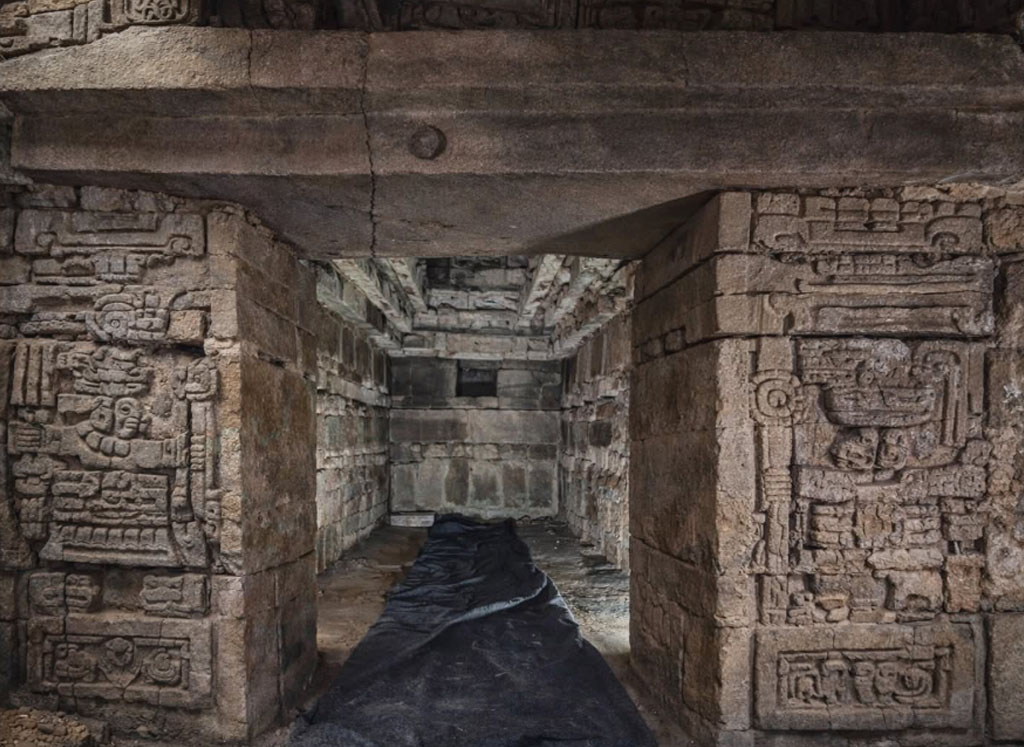
    The interior chambers of Tomb 10 at Huitzo are carved with elaborate panels and stucco friezes.
    The interior chambers of Tomb 10 at Huitzo are carved with elaborate panels and stucco friezes.

    When archaeologists carefully opened the tomb at Huitzo, they found the burial of a single adult male. His position and the treasures surrounding him left no doubt: this was a person of great authority. He was likely a cocijo, a king, or a supreme priest of Huitzo. But it was the objects buried with him that caused such a stir among researchers.

    The contents of Huitzo’s Tomb 10 are extraordinary for their material and their craft. The most stunning find is a large pectoral, a kind of chest ornament, shaped like a crescent moon. It is made of solid gold. The craftsmanship is exquisite, with fine details that show a highly skilled artisan made it. This alone was a surprise. Before this tomb, experts believed the Zapotecs of this period worked primarily with jade, obsidian, and ceramic. Gold was associated with later cultures, like the Mixtecs, or with peoples far to the south. Finding this much gold in a Zapotec tomb from this early date completely changes the story.

    The golden pectoral was not alone. The royal body was adorned with numerous other gold ornaments, including beads and pendants. There were also beautiful pieces made of jade, a green stone the Zapotecs valued above all for its symbolic link to life and water. He wore ear spools and necklaces of this precious material. There were also sharp blades made from obsidian, a volcanic glass used in ceremonies.

    Along the walls of the tomb, the archaeologists found several large ceramic urns. These are not simple pots. They are elaborate sculptures, often depicting important figures in formal poses. These are believed to represent ancestors or gods, placed there to guard and accompany the ruler into the afterlife. The combination of gold, jade, and these sacred urns created a burial scene of unmatched richness for this period in Zapotec history.

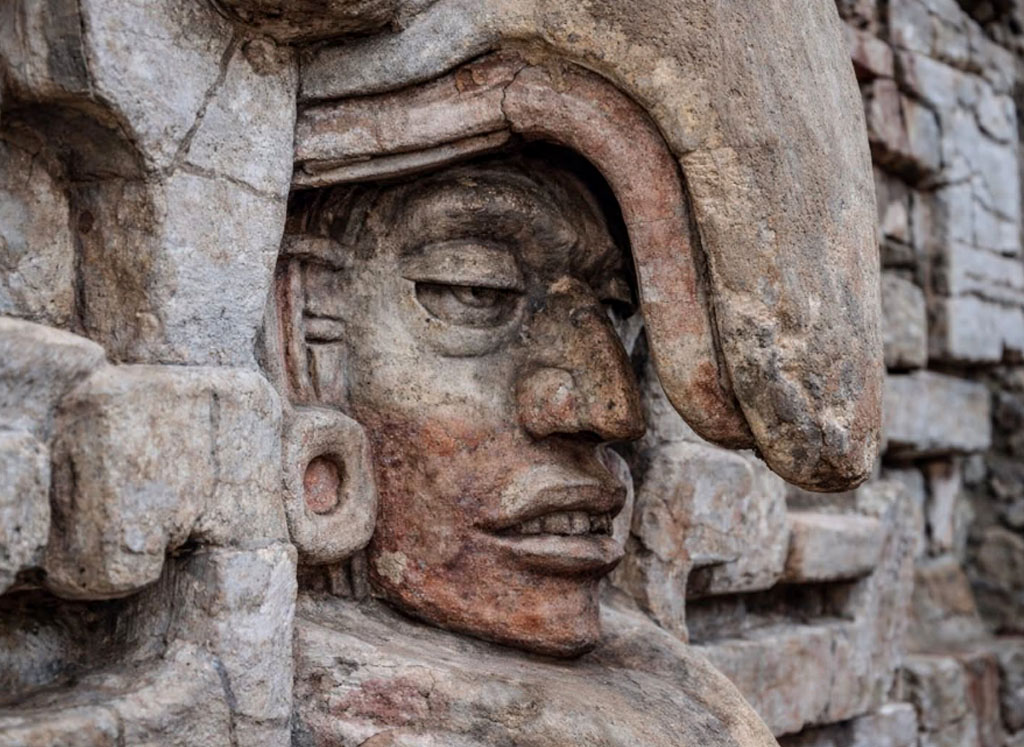
    The elaborate tomb at Huitzo shares features such as refined stucco work and owl imagery with other remarkable tombs, like those at Lambityeco and Zaachila, but is of scientific importance comparable perhaps only to Tomb 7 of Monte Albán

    So, why is this single tomb considered the discovery of the decade? First, it challenges the timeline of technological and trade developments. The gold proves that the Zapotecs, at least by 700 C.E., had mastered complex metalworking or had strong trade networks that brought finished gold objects from other regions. This shows they were far more connected to the wider Mesoamerican world than previously proven.

    Second, it reveals a shift in political power. The tomb dates to a time when the great capital of Monte Albán was beginning to lose its tight control over the valley. The incredible wealth buried in a secondary center like Huitzo suggests that local rulers were growing very powerful. They had the resources to command such treasures and the authority to take them to the grave. It paints a picture of a valley with multiple strong kingdoms, not just one dominant capital.

    Because the tomb had never looted or even opened until its discovery, its context remained untouched, a real rarity. Every artifact was in its original place, telling a clear and truthful story about the burial rituals and the social status of the individual.
  • Mexico’s Interoceanic Train Tragedy: A Test of Accountability

    Mexico’s Interoceanic Train Tragedy: A Test of Accountability

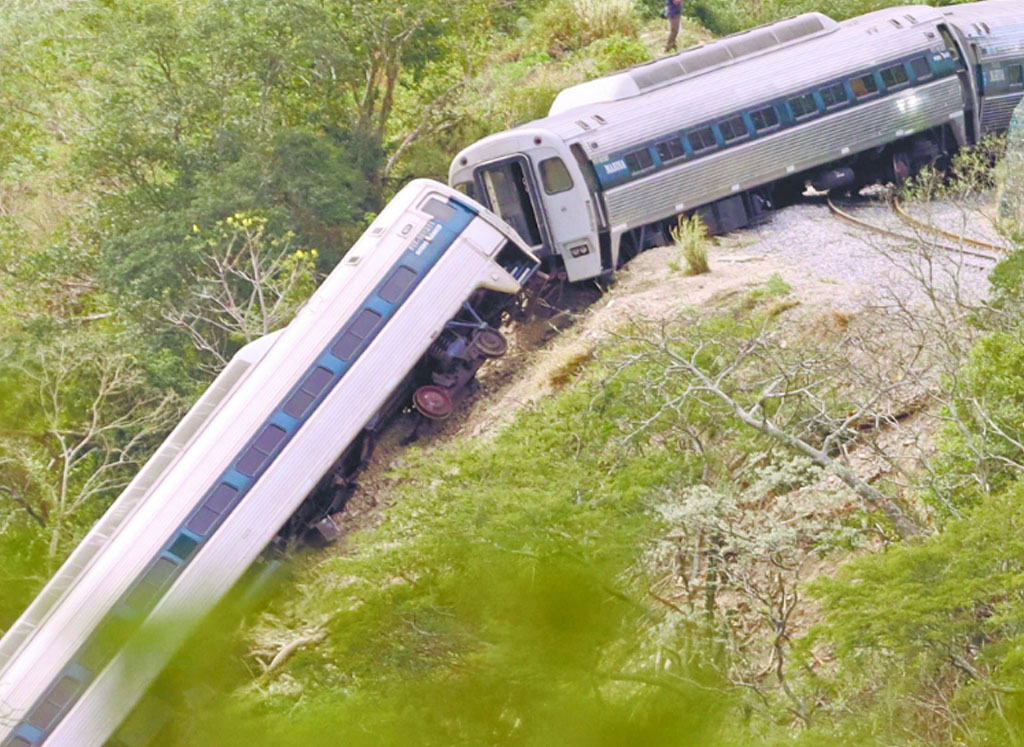
    On a late December morning, a train on Mexico’s flagship Interoceanic Railway, a major infrastructure project connecting the Gulf of Mexico to the Pacific Ocean, derailed. The accident left 14 people dead and 98 more injured, casting an immediate shadow over a project that has been a cornerstone of the current administration’s development agenda. 

    President Claudia Sheinbaum Pardo has called for patience, urging the public to wait for the first official findings while outlining a framework for potential responsibility.

    The President’s Position: Awaiting the Facts

    Addressing the accident during her regular morning press conference, Sheinbaum provided an update on the investigation. The president stated that the head of the Attorney General’s Office (FGR), Ernestina Godoy, informed her that a preliminary report would be ready this week or next. Sheinbaum emphasized a cautious approach, saying, “We must wait so as not to get ahead of ourselves: what were the reasons for the accident?”

    However, she also sketched a potential path for accountability. She asserted that if the investigation concludes the derailment was related to the railway track itself, “it is the engineers who supervised the train who would be responsible, and there would be a delineation of responsibilities.” This statement directly points the finger at technical oversight, seeking to isolate the issue from the project’s political management.

    Her comments came alongside questions about a complaint filed by opposition politicians from the PAN party. They targeted Gonzalo López Beltrán, the son of former President Andrés Manuel López Obrador. López Beltrán had an “honorary role” in reviewing the project’s construction timelines. 

    Sheinbaum dismissed the need for a separate complaint, noting that an investigation had already been opened automatically due to the accident. She sharply distinguished his role, calling it an “honorary supervision” of schedules, and reiterated, “The technical supervision of the train’s construction was the responsibility of engineers.”

    Infrastructure, Politics, and Accountability

    Sheinbaum’s statements highlight several critical issues common in large public works projects, not just in Mexico but globally.

    First, there is the tension between political symbolism and technical execution. The Interoceanic Train, like the Tren Maya, is more than a rail project; it is a symbol of the administration. As noted by analysts at the Wilson Center, such “legacy projects” are often accelerated to meet political deadlines, which can sometimes pressure construction timelines and testing phases. Sheinbaum’s effort to separate the “honorary” timeline supervision from the hands-on technical oversight is an attempt to manage this very tension. She seeks to protect the project’s symbolic value while directing scrutiny toward its concrete execution.

    Second, her focus on the “black box” data recorder underscores the modern reliance on forensic engineering. Independent transport safety experts, like those cited in reports from the International Railway Journal, stress that derailment causes are often complex. They can stem from a combination of factors: track integrity (welds, alignment, bed stability), train speed, wheel conditions, or signal failures. Isolating a single cause is a technical challenge. By highlighting the black box, Sheinbaum frames the investigation as a scientific, apolitical process aimed at building public trust in its conclusions.

    Public Perception

    The involvement of the former president’s son, even in an honorary role, inevitably fuels suspicions of nepotism or lax oversight. A Brookings Institution study on infrastructure governance suggests that transparency is crucial in such scenarios. The mere appearance of favored access for relatives of influential figures can undermine faith in the entire accountability process, regardless of the factual findings. The opposition’s complaint, even if legally redundant as Sheinbaum claims, is a political action capitalizing on this perception.

  • Mexico’s Inflation Rises to 3.77%; food prices hit hardest

    Mexico’s Inflation Rises to 3.77%; food prices hit hardest

    Mexico’s inflation rate climbed to 3.77% during the first half of January, reversing a brief downward trend and presenting fresh challenges for consumers and policymakers.

    The National Institute of Statistics and Geography (INEGI) reported the increase on Thursday, showing inflation rose from 3.58% in the second half of December. The uptick marks a setback after several months of gradual improvement.

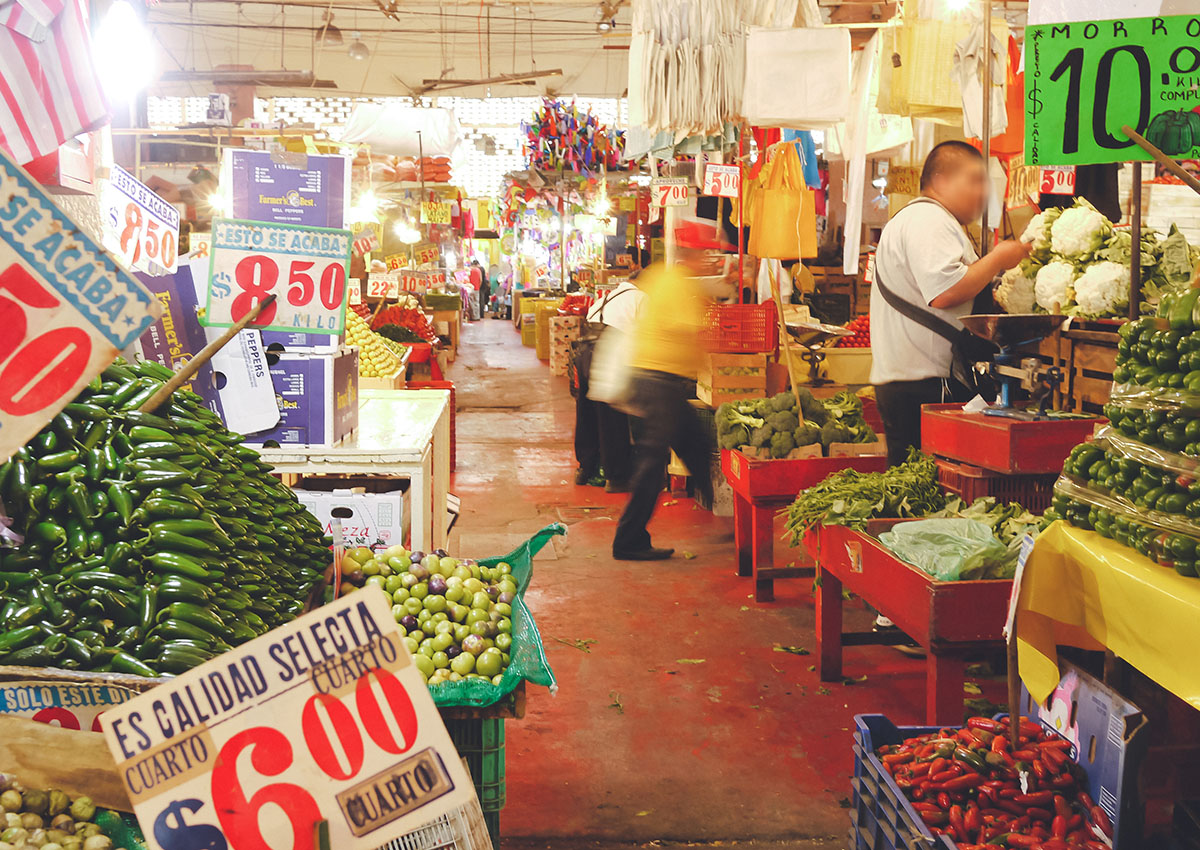
    The increase stems primarily from rising food costs, particularly in fruits, vegetables, and basic staples that form the core of Mexican household budgets. Agricultural product prices showed notable volatility during the two-week period.

    Energy costs also contributed to upward pressure. Gasoline prices rose 0.88% during the first fifteen days of January, while LP gas costs increased 0.83%. Electricity rates climbed 1.13%, adding to household expenses.

    Core inflation, which excludes volatile food and energy prices, reached 3.56%. This measure tracks the underlying price trends that central banks monitor when setting monetary policy and signals persistent pressure beyond temporary fluctuations.

    The Bank of Mexico has maintained its benchmark interest rate at 10.25% as officials balance inflation control against economic growth concerns. The latest uptick may delay potential rate cuts that economists had anticipated for early 2026.

    Mexico’s central bank targets an inflation rate of 3%, plus or minus one percentage point. While the current reading remains within that acceptable range, the reversal in direction raises concerns about achieving sustained price stability.

    Food inflation has been particularly challenging for Mexican households, which typically spend a larger portion of income on groceries compared to families in the United States. Rising agricultural prices put direct pressure on family budgets.

    Transportation costs also increased during the period, with public transport fares rising 0.45%. Combined with higher fuel prices, mobility expenses grew across most categories.

    Non-core inflation, which includes agricultural products and energy, showed the sharpest increases. This category tends to fluctuate more dramatically based on seasonal factors and supply conditions.

    Economists note that January typically brings price adjustments as businesses reset rates for the new year. However, the magnitude of the increase suggests underlying pressures beyond normal seasonal patterns.

    The peso’s recent volatility against the dollar may contribute to import cost pressures, particularly for processed foods and manufactured goods. Currency fluctuations can filter through to consumer prices over several weeks.

    Government subsidies for basic foods and transportation help moderate price increases for some items, but coverage remains limited. Officials continue monitoring staple prices closely for signs of excessive increases.

    Consumer confidence faces headwinds from persistent inflation, which erodes purchasing power despite wage gains in some sectors. Retail activity during early January has shown mixed signals.

    The next inflation report, covering the second half of January, will indicate whether the increase represents a temporary spike or signals renewed upward momentum. Central bank officials will scrutinize the data carefully.

    Key Inflation Figures for Early January 2026:

    • Overall inflation: 3.77% (year-over-year)

    • Previous period: 3.58%

    • Core inflation: 3.56%

    • Gasoline: +0.88%

    • LP gas: +0.83%

    • Electricity: +1.13%

    • Bank of Mexico target range: 2-4%

    • Current benchmark interest rate: 10.25%

    Sources: Milenio, INEGI official data, Reuters market coverage, Bloomberg economic reports

  • Chichén Itzá Streamlines Ticketing to One Fee at One Window

    Chichén Itzá Streamlines Ticketing to One Fee at One Window

    Visitors to the famous Maya ruins of Chichén Itzá in Mexico will now pay a single fee at one ticket booth. This is a change from the tedious old system, where visitors had to line up at different windows to pay two separate fees.

    One fee was for the federal government agency, INAH, which manages the archaeological site. The other, often higher fee, was for the state of Yucatán’s tourism agency, CULTUR. This caused two lines and slowed down entry.

    This change only applies to Chichén Itzá, and not other archaeological sites like Uxmal or Ek Balam. 

    Now, the total price for visitors remains the same, but it is paid in a single lump sum. The money will then be divided internally between INAH and CULTUR.

    The current prices are 675 pesos for foreign tourists, 303 pesos for Mexican nationals (non-Yucatán residents), and 105 pesos for Yucatán residents. 

    The goal of this change is to speed up entry and reduce wait times, especially during busy seasons. Officials say it is not a price increase, just a more straightforward way to pay.

    This move is also suspected to be an attempt to hide the several-times-higher CULTUR (state) ticket price, which goes straight into the state coffers.

    “The CULTUR fee is basically the most expensive bathroom fee in the world, as it’s the only thing it really covers. All other facilities, even parking, cost more, so its makes no sense,” tour guide Ivan Villalobos wrote on Facebook. 

    The Ancient Engine of Yucatán’s Tourism Economy

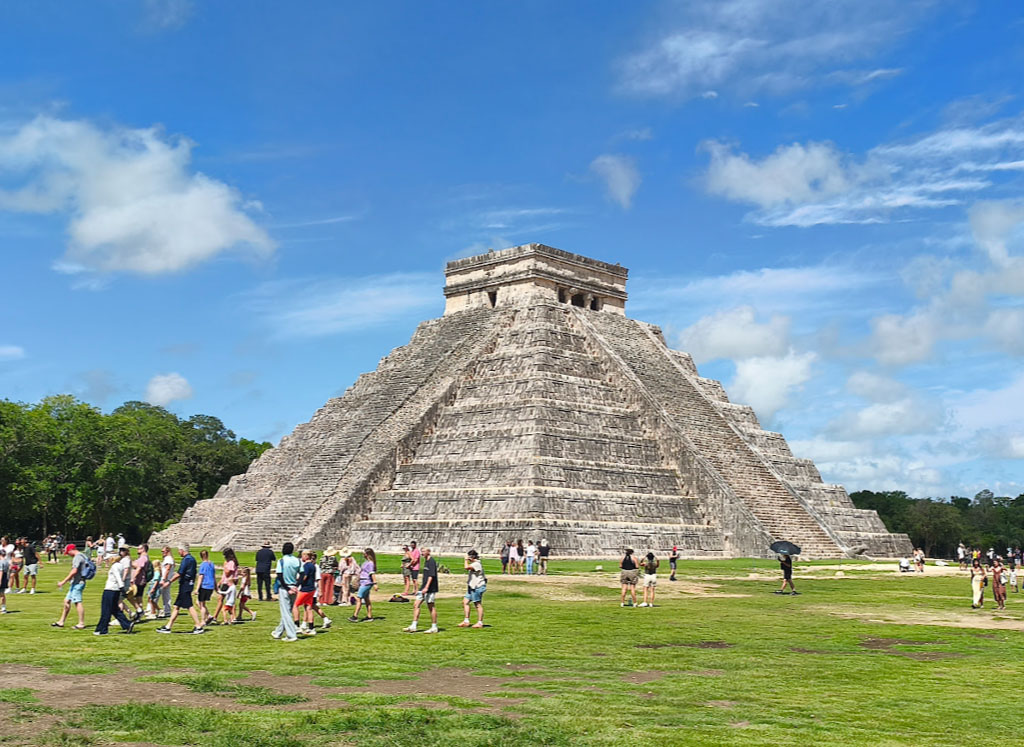
    Chichén Itzá is a world-famous ancient Maya city in Mexico’s Yucatán state. It is the country’s most visited archaeological site and a key pillar of the region’s economy.

    A Tourism Giant

    The ruins are the top tourist attraction in Yucatán and across all of Mexico. In 2025 alone, over 2.1 million people visited. This massive number of visitors creates jobs for thousands of people. It supports work in tourism, transportation, hospitality, and retail. This being said, wages for the vast majority of people employed in the hospitality field are modest, to say the very least. 

    Chichén Itzá was a major Maya city between roughly 600 and 1200 A.D. It was a powerful center of politics, economics, and religion. The site shows a mix of Maya and central Mexican architectural styles, reflecting its wide connections.

    Chichén Itzás Highlights

    • El Castillo (The Castle): This step pyramid is the iconic image of Chichén Itzá. It is a temple to the feathered serpent god Kukulcán. During the spring and autumn equinoxes, sunlight creates a shadow that appears to be a serpent sliding down the stairs.
    • The Great Ball Court: The largest and best-preserved ancient ball court in Mesoamerica. Here, the Maya played a ritual ball game with deep religious meaning.
    • The Temple of the Warriors: A large pyramid surrounded by hundreds of carved columns depicting warriors.
    • El Caracol (The Snail): A round, tower-like structure believed to have been an ancient observatory for studying the stars.