
Category: News

  • Aman Opens  First Mexico Proeprty: What We Know About the Luxurious Amanvari Resort

    Aman Opens First Mexico Proeprty: What We Know About the Luxurious Amanvari Resort

    Photo courtesy Aman

    Aman, the Swiss-founded hospitality group behind some of the most exclusive hotels on the planet, is about to open its first property in Mexico this spring. Amanvari is an adults-only, 18-casita resort on the East Cape of Baja California Sur, about 45 minutes south of Los Cabos International Airport.

    The name combines the Sanskrit words for “peace” and “water,” and the property will occupy a stretch of coastline where desert, estuary, and the Sea of Cortez converge. With nightly rates expected to start around $3,000, it’s likely to become one of the most talked-about hotel openings of 2026.

    For the growing number of international visitors interested in luxury travel in this beautiful part of Mexico, Amanvari marks something of a shift in what the East Cape offers. This is not Cabo San Lucas. There are no mega-resorts or spring break crowds. The East Cape has remained relatively undeveloped, defined by fishing villages, dirt roads, and empty shoreline. Amanvari’s arrival, alongside the Four Seasons that opened in the same community in 2019, signals that this quieter side of Baja is now firmly on the international luxury map.

    The Amanvari Resort and What it Offers

    Amanvari will have 18 standalone casitas, each a two-level pavilion designed by Elastic Architects with early input from Heah & Co. They are positioned at an elevation to frame views of the Sea of Cortez on one side and the Sierra de la Laguna mountains on the other. Interiors use white concrete, natural stone, and tropical hardwood, with open-air courtyards and artwork by Mexican artisans throughout. Some casitas will include cantilevered private pools. A collection of branded Aman Residences, ranging from four to seven bedrooms and listed from $13 million to as much as $35 million, will also be available for purchase.

    The main pavilion, located directly on the beach, will house three restaurants: Arva, Aman’s Italian concept; Nama, for Japanese cuisine; and a third focused on regional Baja flavours using produce from the estate’s own organic farms. The Aman Spa will include a contemporary interpretation of a temazcal, the traditional Mesoamerican sweat lodge, along with Spa Houses, treatment rooms, and an open-air yoga pavilion. Aman has described the spa as a space for “calm reflection as much as rejuvenation.” Guests will also have access to snorkelling, diving, and fishing excursions, guided desert hikes, and visits to local ranches, led by a resident marine biologist.

    Costa Palmas and the East Cape

    Amanvari is part of Costa Palmas, a 1,500-acre (607 hectares) private resort community that has been under development since the mid-2010s. The community already includes the Four Seasons Resort Los Cabos, which opened in 2019 with 118 rooms and 13 dining concepts, among them estiatorio Milos, the Mediterranean seafood restaurant, and Mozza Baja from James Beard Award winner Nancy Silverton. Costa Palmas also has a Robert Trent Jones II-designed 18-hole championship golf course, a deep-water marina that can handle yachts up to 250 feet (76 metres), 18 acres (7 hectares) of organic orchards and farms, and three miles (4.8 km) of swimmable beach.

    The Marina Village functions as the community’s social hub, with boutiques, a nightclub called Chiki, a cafe-boutique hybrid called Casena that serves Baja-roasted coffee, and Casa Blake, a condominium hotel that acts as the heart of village life. For expats and long-stay visitors, Costa Palmas operates more like a self-contained town than a resort. You can dock a boat, play 18 holes, eat at a dozen restaurants, and shop for local goods without ever leaving the property. The addition of Amanvari gives the community a second world-class hotel brand and cements the East Cape’s position as a genuine alternative to the more developed corridors around Cabo San Lucas, about 60 miles (97 km) to the southwest.

    Find out more on the official Aman website at www.aman.com/resorts/amanvari.

  • Can Expats Legally Own Beachfront Property in Mexico? And What the Heck’s Fideicomiso?

    Can Expats Legally Own Beachfront Property in Mexico? And What the Heck’s Fideicomiso?

    Photo: Scott Coe / Yucatan Magazine

    Every year, thousands of Americans, Canadians, and Europeans fall in love with Mexico’s Caribbean and Pacific coastlines and start asking the same question: Can I buy property here? The short answer is, yes. The longer answer involves a word that trips up most first-timers but has been quietly making foreign beach house dreams come true for over five decades: fideicomiso.

    Pronounced fee-day-coh-MEE-so, a fideicomiso is a bank trust that allows non-Mexican citizens to legally own residential property in what the Mexican Constitution defines as the “restricted zone.” That zone covers all land within approximately 31 miles (50 kilometers) of any coastline and roughly 62 miles (100 kilometers) of any international border. 

    In practical terms, it includes every beachfront property in Cancun, every ocean view condo in Puerto Vallarta, every cliffside villa in Los Cabos, and every jungle retreat along the Riviera Maya. So, if you want to own a home within sight or earshot of the surf, you’ll almost certainly need one.

    Beachfront Property in Mexico and Fideicomiso

    The system traces its roots to Article 27 of Mexico’s 1917 Constitution, a landmark piece of legislation born out of the Mexican Revolution that was originally designed to prevent foreign powers from acquiring Mexican territory. For decades, that meant non-citizens simply could not own coastal land. 

    But in 1973, recognizing the economic potential of foreign investment in resort communities, the Mexican government introduced the fideicomiso as a legal workaround. Rather than amending the Constitution itself, lawmakers created a trust framework in which a Mexican bank holds the property title on behalf of the foreign buyer, who retains all practical rights of ownership. The buyer can live in the property, rent it, renovate it, sell it, or pass it on to their heirs.

    Early versions of the trust were limited to 30-year terms and came loaded with red tape. By 1993, further reforms under the Foreign Investment Law extended the trust period to 50 years with unlimited renewals and simplified the paperwork considerably. That wave of reform is widely credited with fuelling the real estate booms in places like Cancun, Los Cabos, and Playa del Carmen, where foreign buyers suddenly had the confidence to invest in property knowing their ownership was both secure and recognized under Mexican law.

    Today, tens of thousands of foreigners own property in Mexico through a fideicomiso. And while the process involves a few more steps and costs than buying a home back in the United States or Canada, it is a well-established and legally sound path to owning your own piece of the Mexican coast.

    How the Fideicomiso Actually Works

    The fideicomiso is a three-party arrangement. A Mexican bank acts as the trustee and holds the legal title to the property. The foreign buyer is named as the beneficiary and retains full control over the property, including the right to use it, lease it, make improvements, sell it, or bequeath it to heirs. The third party is the Secretaria de Relaciones Exteriores (the SRE, or Ministry of Foreign Affairs), which issues the permit authorizing the creation of the trust.

    It is important to understand what this is not. It is not a lease. It is not a time-limited license. The bank cannot sell, encumber, or make decisions about your property without your written instruction. The bank’s role is custodial. Think of it as a safety deposit box for your property title: the bank holds the box, but only you have the key.

    The trust is valid for 50 years from the date it is established and can be renewed indefinitely for additional 50-year terms. When the term approaches its end, the trustee bank will notify the beneficiary, who then requests a renewal permit from the SRE. The renewal process involves a fee of approximately $1,000 to $1,500 (US), a notary signing, and registration with the Public Registry of Property. There is no limit to how many times the trust can be renewed.

    Choosing a Bank and What It Costs

    Not all banks are created equal when it comes to fideicomiso service, though all authorized institutions operate under the same federal regulations. The most used banks for property trusts include BBVA Bancomer (Mexico’s largest retail bank, with more than 1,800 branches), Banorte (the country’s largest domestically owned bank, established in 1899), Scotiabank Mexico (a subsidiary of the Canadian-owned Bank of Nova Scotia), Banco Santander, and HSBC Mexico. Smaller institutions like Banco del Bajio and CI Banco also handle fideicomisos and sometimes offer more personalized service.

    One practical consideration that many buyers overlook: some banks centralize their trust departments in Mexico City or Guadalajara, which can slow local response times in resort areas. Others maintain dedicated fideicomiso representatives in popular coastal markets. It is worth asking your notary or real estate agent which banks are most responsive in the specific area where you are buying.

    As for costs, expect to pay a one-time setup fee in the range of $2,000 to $3,000 (US). That figure typically includes the bank’s administrative work, legal filings, and the first year’s maintenance. Annual maintenance fees from that point forward generally run between $500 and $1,000 (US), depending on the bank and the value of the property. These fees cover the bank’s ongoing compliance reporting and administrative oversight.

    On top of the fideicomiso-specific costs, buyers should budget for total closing costs of between 5 and 8 percent of the purchase price. This includes the acquisition tax (currently around 4 percent nationwide), notary fees (typically 1 to 2 percent of the property value), and the SRE permit fee. It is also worth noting that most foreign property purchases in Mexico are cash transactions. Over 90 percent of foreign buyers pay in full at closing, in large part because securing a Mexican mortgage as a non-citizen involves higher interest rates (currently in the 8 to 12 percent range) and down payments of 30 to 50 percent.

    The Step-by-Step Process

    The fideicomiso process follows a standard sequence, though the timeline can vary depending on the bank and the complexity of the transaction. First, you identify the property and sign a purchase agreement with the seller. Most sellers in coastal resort areas are well accustomed to working with foreign buyers and fideicomisos. Next, you select a Mexican bank to serve as trustee. Your real estate attorney or agent will typically recommend institutions they have worked with before, but the choice is yours.

    The bank then prepares the fideicomiso application and submits it to the SRE for authorization. This government review ensures the transaction complies with foreign investment regulations and generally takes three to six weeks. Once the SRE issues the permit, the closing takes place before a notario publico, a government-appointed legal authority who oversees all real estate transactions in Mexico. The notario is not the same as a notary public in the US or Canada. In Mexico, the notario holds considerably more legal authority and is responsible for verifying title, ensuring all taxes are paid, and confirming that the entire deal is in order.

    At closing, the property title is transferred from the seller into the trust with the bank named as trustee. You sign the trust deed, the notario reads the so-called Calvo Clause (a standard constitutional formality in which foreign buyers agree not to seek diplomatic intervention regarding the property), and the deed is then registered with the Public Registry of Property. From that moment, you are the legal beneficial owner.

    The entire process from signed purchase agreement to registered trust typically takes between 45 and 90 days, though delays can occur if there are title issues or if the SRE permit takes longer than expected.

    What About Ejido Land?

    No discussion of buying property in Mexico is complete without a mention of ejido land. Ejidos are communal agricultural lands that were distributed to rural communities following the Mexican Revolution and later formalized under Article 27. While reforms in 1992 under President Carlos Salinas de Gortari allowed ejido land to be privatized under certain conditions, buying property on ejido land that has not been fully regularized and converted to private title is extremely risky for foreign buyers.

    The key question to ask your attorney is whether the property has a clear private title registered in the ownership section of the Public Registry, as opposed to the possession section, which indicates a disputed or incomplete title. If the answer involves ejido land that has not been formally converted, proceed with extreme caution or, better yet, walk away.

    The Mexican Corporation Alternative

    The fideicomiso is not the only path to property ownership in the restricted zone. Under the 1998 amendment to the Foreign Investment Law, foreigners can also purchase property through a Mexican corporation (known as a sociedad anonima or SA). However, this option is primarily intended for commercial use, such as operating a rental business, hotel, or retail space.

    If your plan is to buy a home or vacation property for personal residential use, the fideicomiso is the appropriate and required legal vehicle. If you are investing in commercial real estate, a Mexican corporation may offer more flexibility, but it also comes with annual tax filings, accounting compliance, and higher administrative costs. In either case, qualified legal counsel is not optional.

    Common Myths and Misconceptions

    The fideicomiso system has been in place for more than 50 years, yet several persistent myths continue to circulate among prospective buyers.

    The first and most common: the bank owns your property and can take it from you. This is false. The bank holds the title in trust, but it has zero authority to sell, transfer, or use the property without your explicit written consent. The bank has a fiduciary obligation to act solely on your instructions.

    The second myth: the fideicomiso is a temporary arrangement and your ownership could expire. Also false. The trust runs for 50 years and is renewable indefinitely. There is no scenario in which a properly maintained fideicomiso simply expires and leaves you without recourse.

    The third: if the bank goes bankrupt, you lose everything. Again, not true. The property held in a fideicomiso is not considered an asset of the bank. If the bank encounters financial trouble, your trust is transferred to another institution.

    And the fourth, which comes up regularly in online forums: Mexico might change the law and revoke foreign property rights. While no one can predict the future with certainty, there is no political appetite in Mexico for undermining the fideicomiso system. In fact, a 2013 constitutional reform proposal aimed to make it easier for foreigners to own property by allowing direct ownership in the restricted zone. That proposal did not pass, but its very existence signals a trend toward liberalization, not restriction. Foreign real estate investment supports local economies across the country, particularly in resort communities, and the Mexican government has a clear financial incentive to keep the system stable.

    Do You Need a Visa to Buy?

    One of the more pleasant surprises for prospective buyers is that property ownership in Mexico is treated as a foreign investment matter, not an immigration issue. You do not need Mexican residency, a work permit, or any specific visa to purchase property through a fideicomiso. You can buy while visiting on a standard tourist permit.

    That said, if you plan to live in your property for extended periods or generate rental income, obtaining temporary or permanent residency will simplify several practical matters, from setting up utilities and local bank accounts to managing your tax obligations in Mexico. Property ownership can also support a residency application by demonstrating financial stability.

    Why the Fideicomiso Still Makes Sense

    For all the paperwork and added costs, the fideicomiso remains a remarkably practical tool. It provides foreign buyers with ownership rights that are, in all meaningful respects, equivalent to direct ownership. It simplifies estate planning by allowing beneficiaries to be named directly in the trust, avoiding the need for complex probate proceedings. And it is backed by more than five decades of legal precedent and thousands upon thousands of successful transactions.

    With the state of Quintana Roo alone welcoming over 33 million visitors in 2023, and with new developments like The Ritz-Carlton Residences, Riviera Maya setting starting prices north of $1.8 million (US), the appetite for foreign-owned coastal property in Mexico shows no sign of slowing down. Whether you are eyeing a two-bedroom condo in Tulum, a beachfront estate in San Jose del Cabo, or a penthouse overlooking Banderas Bay in Puerto Vallarta, the fideicomiso is the legal bridge that makes it possible.

    The process isn’t complicated. But it does require attention to detail, qualified legal advice, and a reliable bank. Get those three things right, and that beachfront dream is well within reach.

  • As Puerto Vallarta Flights Return… Should You Go? Yes, of Course. But Play Safe
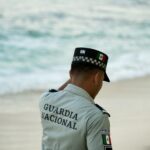
    As Puerto Vallarta Flights Return… Should You Go? Yes, of Course. But Play Safe

    Photo: Vagamood Sundaze / Unsplash

    International flights to Puerto Vallarta have resumed after a two-day shutdown triggered by cartel violence across Jalisco state. The disruption followed a Mexican military operation on February 22 that killed Nemesio Oseguera Cervantes, known as El Mencho, the leader of the Jalisco New Generation Cartel (CJNG). 

    Cartel members responded by torching buses and vehicles, setting up roadblocks, and firing weapons in cities across the state, including Puerto Vallarta and Guadalajara. The fallout grounded flights from carriers in the United States, Canada, and beyond, and left thousands of tourists stranded in resorts and hotels with limited access to food and transportation.

    For the estimated 1.6 million American citizens living in Mexico and the large communities of Canadian, British, and Australian expats concentrated along the Pacific coast, the episode was a sharp reminder that security conditions can shift overnight. The U.S. State DepartmentGlobal Affairs Canada, and foreign ministries in the U.K.AustraliaFranceNew Zealand, and Indonesia all issued shelter-in-place advisories during the crisis. While those emergency orders have since been lifted, Jalisco remains under a Level 3 “Reconsider Travel” advisory from Washington, and travel safety experts are urging all foreign nationals to exercise caution in the weeks ahead.

    What happened on the ground

    The military operation took place in the mountain town of Tapalpa, roughly 180 miles (290 km) east of Puerto Vallarta, in the early hours of February 22. El Mencho and six other CJNG members were killed during the raid; three died at the scene and four, including Oseguera Cervantes, died during air transfer to Mexico City

    Within hours, CJNG operatives launched coordinated retaliation across 22 Mexican states. In Puerto Vallarta, motorcycle riders threw incendiary devices into parked buses, taxis, and storefronts. Plumes of black smoke rose over the Marina Vallarta neighborhood. A restaurant on the ground floor of a building housing foreign residents was set ablaze. The Guadalajara metro system shut down, toll roads closed across multiple states, and more than 1,000 visitors were stranded overnight at the Guadalajara Zoo.

    Authorities later confirmed that CJNG also ran an online propaganda campaign to amplify the chaos. Reuters reported that false claims circulated on social media, including fabricated reports that Guadalajara’s airport had been overrun and that downtown Puerto Vallarta was engulfed in flames. State officials said several widely shared images of airport attacks and burning buildings were AI-generated fakes. Twenty-five members of Mexico’s National Guard were killed in six separate attacks in Jalisco following the operation, and more than 70 people died in total across the country. No tourists were reported among the dead. 

    What it means for expats and visitors

    By February 25, shelter-in-place orders had been rescinded, and the U.S. Embassy declared a transition to a recovery phase. Major carriers, including Delta Air LinesUnited AirlinesAmerican AirlinesSouthwest AirlinesAlaska AirlinesAir CanadaWestJetAir Transat, and Porter Airlines, had restored scheduled service to Puerto Vallarta, with most offering fee-free rebooking through early March. Air Canada deployed larger Boeing 787-9 Dreamlineraircraft from Toronto and Montreal to add 258 seats per flight and move stranded passengers’ home faster. 

    But the resumption of flights does not mean the situation is fully resolved. U.S. government staff in Guadalajara, Puerto Vallarta, and Ciudad Guzman remain under nighttime curfew and cannot travel outside their metro areas. Jalisco sits at Level 3 on the State Department’s advisory scale, one step below “Do Not Travel.”

    Long-term expats in the area have largely taken the disruption in stride. Several American residents told NBC News that while the violence was alarming, it was directed at infrastructure rather than people, and that no foreign nationals were harmed. One year-round resident in a beachside development outside the city described the cartel’s actions as retaliatory posturing rather than a sustained threat to daily life. 

    That said, travel insurance providers and safety consultants are advising all foreign nationals to review their coverage, confirm that policies include medical evacuation and trip interruption benefits, and register with their home country’s consular notification system before traveling. With spring break approaching and roughly 1.5 million American visitors expected in Mexico during March, the consensus among experts is clear: go if you want, but keep your plans flexible, stay within well-secured areas, and monitor government advisories daily.

  • Los Cabos, Punta Mita, and Tulum Among Hotspots for Vacationing Celebrities in Mexico

    Los Cabos, Punta Mita, and Tulum Among Hotspots for Vacationing Celebrities in Mexico

    Photos: Nobu Hotel Los Cabos

    Mexico has long been a favorite getaway for the rich and the famous… especially those connected to Hollywood. But where exactly do these A-listers like to spend their downtime?

    Three luxury destinations in particular stand out for their reputations as the country’s top celebrity magnets: Los CabosPunta Mita, and Tulum. Each offer something a little different, but all share a common thread of privacy, world-class accommodation, and the kind of service that keeps the famous coming back.

    But the appeal is as practical as much as it is scenic. Los Cabos is an easy (especially by private jet) two-and-a-half-hour flight from Los Angeles. Punta Mita, on the Riviera Nayarit coast, offers gated seclusion on a 1,500-acre peninsula. And Tulum, once a backpacker stop on the Yucatan Peninsula, has reinvented itself as a barefoot-luxury destination in the Riviera Maya with a penchant for eco-friendly design that’s especially appealing to younger generations of celebrity visitors.

    Los Cabos: The Original Celebrity Playground

    Celebrity tourism here predates the region’s international airport, which only opened in 1977. In the 1950s, actress Lucille Bremer and her husband opened the 15-room Las Cruces Palmilla, now the One&Only PalmillaJennifer Aniston visits so often locals call her the “Queen of Cabo.” 

    And George Clooney and Rande Gerber built neighbouring beachfront homes in 2009, naming the compound Casamigos and later launching the tequila brand of the same name (it sold for roughly $1 billion).

    The Nobu Hotel Los Cabos, co-founded by Robert De Niro, has hosted Justin Bieber and Leonardo DiCaprioTiger Woods owns a home at Diamante in Cabo San Lucas, where he has designed two golf courses with a third in development. For nightlife, Cabo Wabo Cantina, founded by Van Halen frontman Sammy Hagar, draws musicians like Kenny Chesney.

    Punta Mita: The Gated Pacific Hideaway

    About 30 miles (48 kilometers) from Puerto Vallarta, Punta Mita occupies a peninsula with water on three sides and a guarded gate on the fourth. The community is home to the Four Seasons Resort Punta MitaThe St. Regis Punta Mita Resort, and two Jack Nicklaus Signature golf courses. 

    Gwyneth PaltrowBill GatesTom Cruise, and Beyonce have all been spotted here. For greater seclusion, the Imanta Resort’s Tree House villa sits on a mountainside above a private beach, while nearby Marietas Islands offer snorkelling excursions to the famous Playa Amor (Hidden Beach).

    Tulum: Barefoot Luxury on the Caribbean

    Tulum’s appeal is different. The emphasis here is on eco-conscious design, wellness retreats, and a bohemian atmosphere. Reese WitherspoonDemi Moore, and Drew Barrymore have all been spotted along the beachfront. Azulik, an adults-only resort of treehouse villas with no Wi-Fi or electricity, is a regular celebrity pick. 

    Habitas Tulum, where Paris Hilton has stayed, takes a similar sustainable approach. For dining, Hartwood, the open-fire restaurant on the beach road that accepts no reservations and has no freezer, remains one of the most talked-about tables on the Riviera Maya.

    So… what are you waiting for? Get out there and do some celebrity spotting. 

  • Viral Video: Tourist Caught Looting Puerto Vallarta OXXO During Attacks

    Viral Video: Tourist Caught Looting Puerto Vallarta OXXO During Attacks

    A video that spread rapidly across social media this week shows a man carrying a Canadian-branded tote bag walking out of a smashed OXXO convenience store in Puerto Vallarta with a bag of items and a jug of water — without paying. The footage, filmed by local bystanders who confronted him, became a flashpoint in a city already shaken by days of cartel violence.

    The context matters. On Feb. 22, Mexican Army forces killed Nemesio “El Mencho” Oseguera Cervantes, leader of the Jalisco New Generation Cartel (CJNG), during a raid on a rural compound in Tapalpa, Jalisco. The killing set off immediate retaliation across more than 20 Mexican states. In Puerto Vallarta, cartel members torched buses and cars, blocked roads and shut down public transportation. Businesses closed. Flights were canceled. Thousands of tourists were told to shelter in place. OXXO stores across the city were among the properties burned or damaged in the chaos.

    Viral looter
    Video of a foreign tourist apparently looting an OXXO convenience store went viral this week. Photo: Screengrab

    The video of the OXXO incident — originally posted by Instagram user @regiophotographer and reported by Castanet — shows several people entering the damaged store while bystanders shout at them. A few returned the items they had picked up. The man with the Canadian bag did not. When confronted, he reportedly accused one of the men challenging him of being American. He left with the goods.

    The clip went viral, drawing sharp reactions online. Many commenters were quick to identify the man as Canadian based on the tote bag, though others pointed out that a bag alone is no proof of nationality. One Facebook commenter wrote that a Canadian would have left money on the counter. Another said she was disgusted and that “real” Canadian visitors who love Puerto Vallarta would never disrespect the community. A few were more skeptical, noting that a man carrying a Canada bag in a foreign country would be an unlikely choice for an actual Canadian.

    One commenter offered a more charitable reading: a Mexican acquaintance had reportedly told them the man was a regular customer who left a note saying he would return to pay when things settled down, and that he was taking only essentials — water and a few snacks — for survival.

    Authorities have not released details about the identities of those in the video, and no arrests related to the incident have been reported. Local police have been occupied with far larger security challenges this week.

    The episode landed in a particularly charged moment for Canadian tourists, tens of thousands of whom were stranded in Puerto Vallarta after flights were canceled by Air Canada, WestJet and other carriers. Puerto Vallarta receives more than 750,000 Canadian visitors annually and is one of the most popular winter destinations for Canadian snowbirds. This year, many had redirected their winter travel there from the United States amid tensions over trade and tariffs — making the timing of the incident, and the mockery that followed online, sting a little more.

    As the city begins to return to normal — with flights resuming, buses running again and restaurants reopening — local business owners and residents are taking stock of the damage. The broader question of what El Mencho’s death means for security and tourism in Mexico, including the upcoming World Cup matches in Guadalajara, remains unresolved.

    Fast Facts

    • The OXXO looting video was originally posted by Instagram user @regiophotographer in Puerto Vallarta
    • The man in the video was carrying a Canadian-branded tote bag; his nationality has not been confirmed
    • Some bystanders who entered the store returned items when confronted; the man with the bag did not
    • Cartel members burned or damaged numerous OXXO stores across Puerto Vallarta during the unrest
    • CJNG leader Nemesio “El Mencho” Oseguera Cervantes was killed Feb. 22 in Tapalpa, Jalisco
    • Puerto Vallarta receives more than 750,000 Canadian visitors annually
    • Air Canada, WestJet and multiple U.S. carriers canceled or suspended flights following the violence
    • The city began reopening Feb. 24; some flights resumed; Uber remained unavailable as of Tuesday

    Sources: Castanet.net, CBC News, Global News, Yahoo News Canada, KWTX, NBC News